We travelled the short distance from our campsite in Zwierzyniec to the town of Zamosc.
We had to wait until 11am to leave the campsite as a large storm with thunder and lightning came through.
Zamosc was built by Jan Zamoyski from the rich family in late 16th century. He commissioned Italian architect Bernardo Morando to design it – so it looks like a planned Italian town with a main square and grid around it.
We parked at the battlements – there are lots of fortifications as this was required to protect them from the Cossacks, Swedish and other invaders.
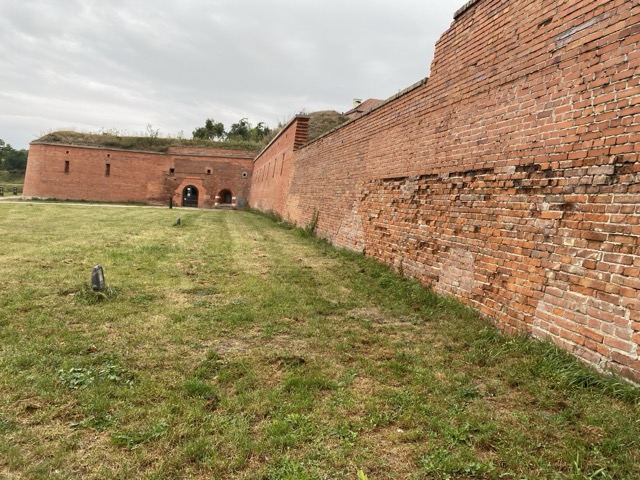
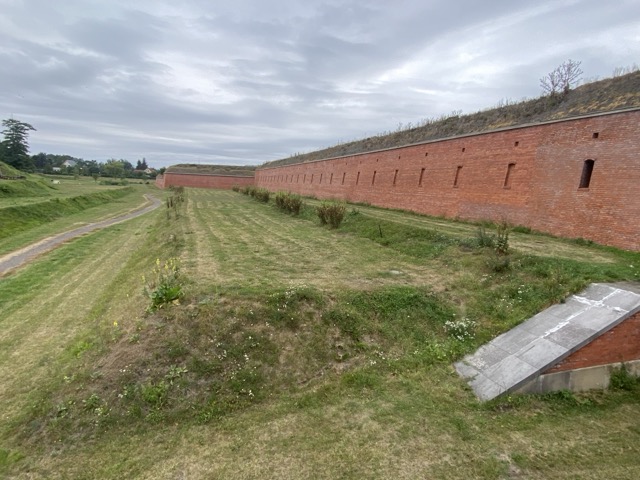
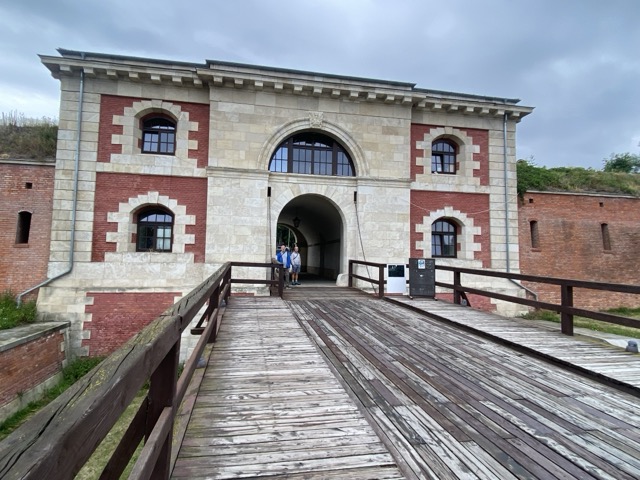
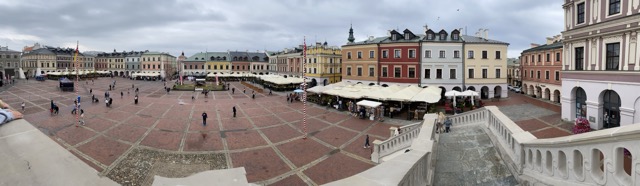
We walked through a gate in the city wall up to the focal point – the town square.
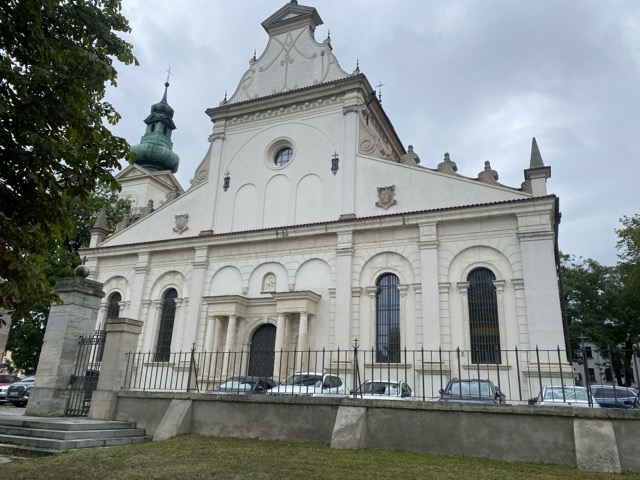
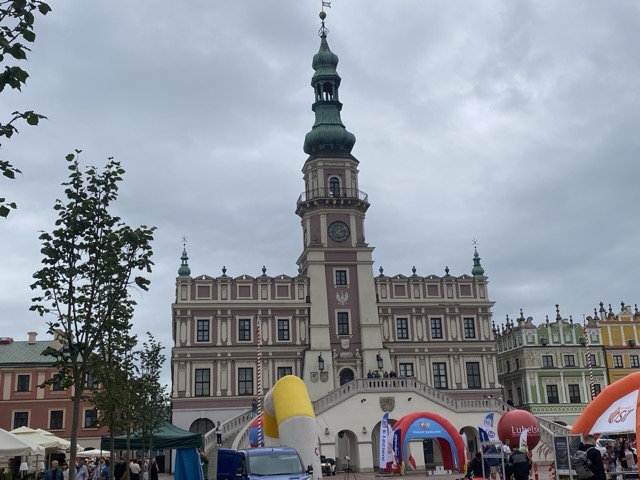
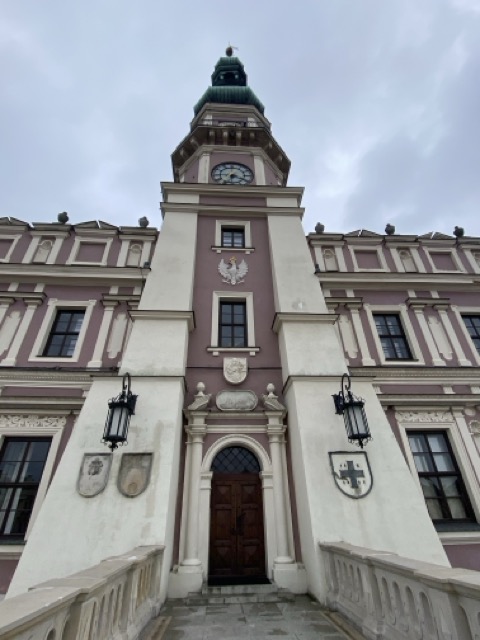
The town hall was large with a huge tower and with big stairs fanning out from the front.
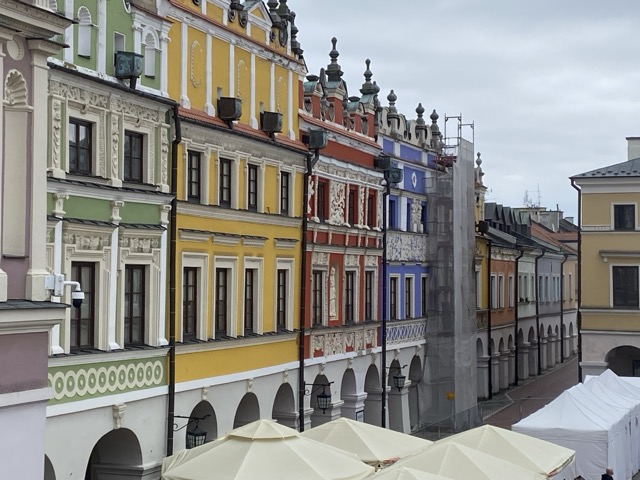
The houses beside it were owned by Armenian merchants and are very decorated.
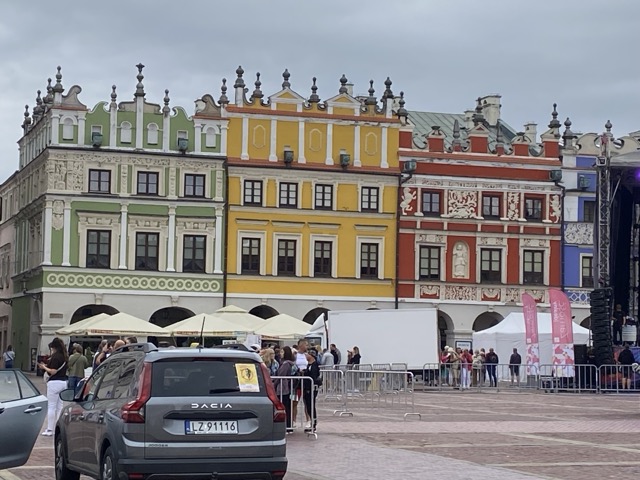
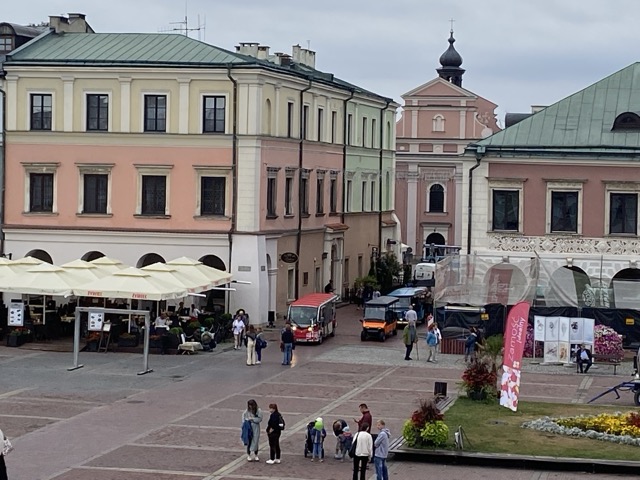
Some stalls were packing up as they had catered for the end of a 100km run. There was also a stage being set up ready for a concert that afternoon. Big booms were coming from it occasionally.
The rain was starting to get heavier so we made for the Boheme cafe on the square for lunch.
It had many traditional dishes. I had the soup with sausage, cottage cheese, egg and horseradish – very delicious. The boys had dumplings and Lisa had trout – all good.
3 of us had nice and warming mulled wine on this cool day while Sean had a beer.
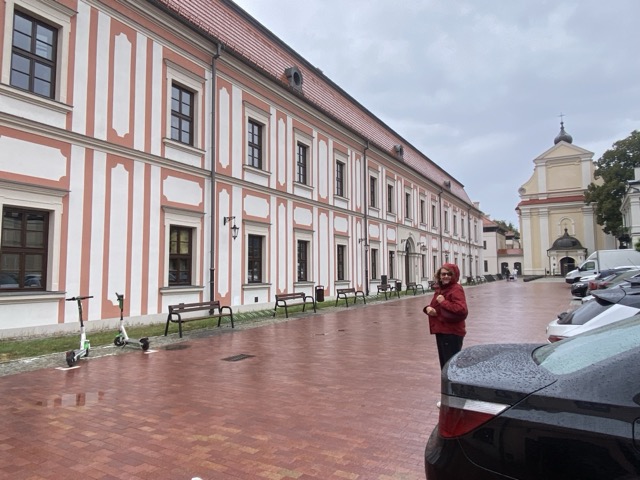
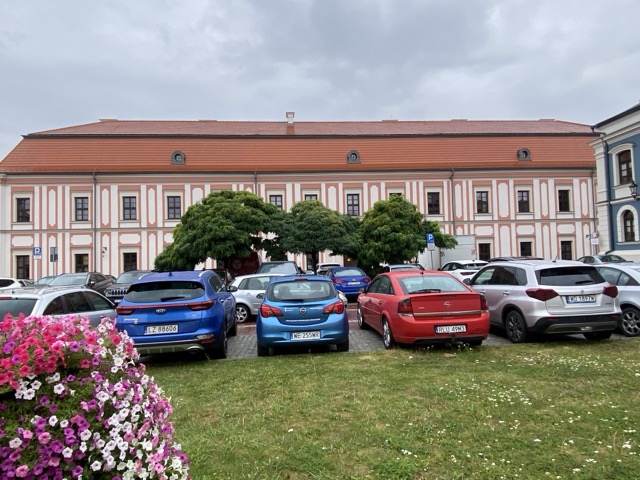
The rain was much reduced so we set out again. We saw the Academy building built in the late 1500s as a school for the children of rich people. There were only 2 such schools in the country so it was very much needed.
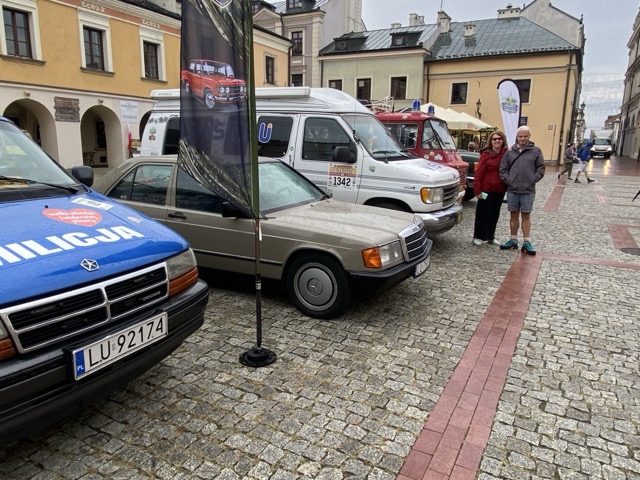
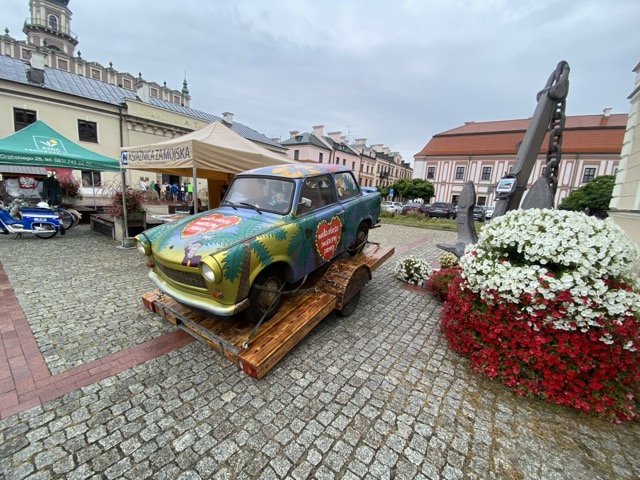
There was a line up of classic cars – including a Burstner motorhome – slightly older than Sean and Lisa’s Burstner. We weren’t sure if it was part of the display – or if someone had parked it there for the night and the organisers couldn’t move it.
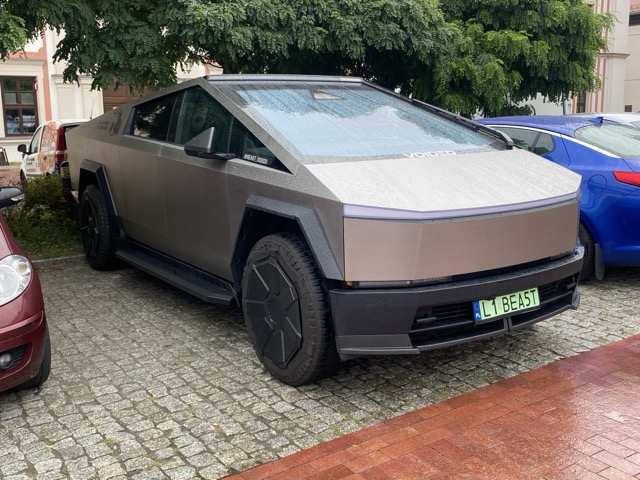
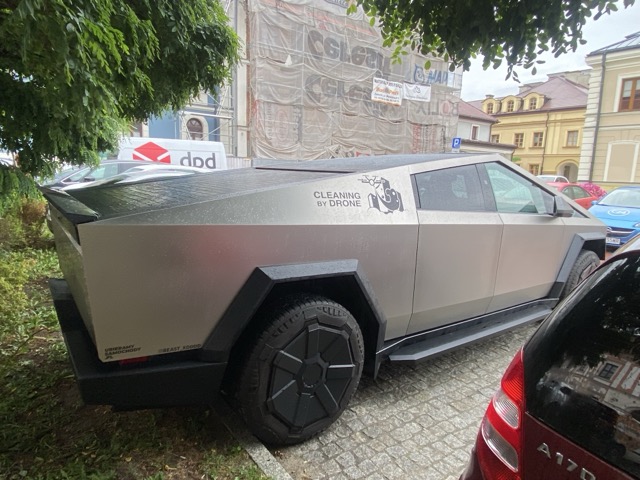
There was another interesting car in the carpark – a Tesla ute. It looks enormous when you are standing beside it – and very space- age.
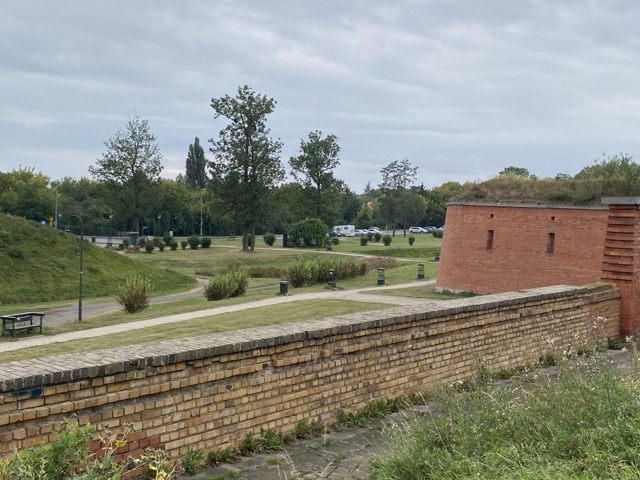
We then continued to the city walls and walked along the top getting views of the huge moat.
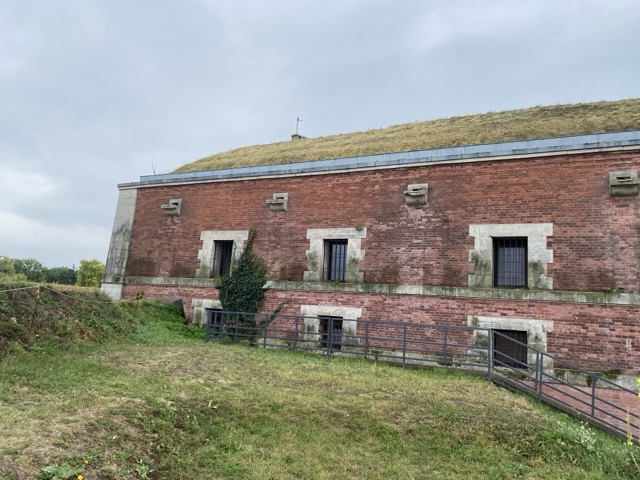
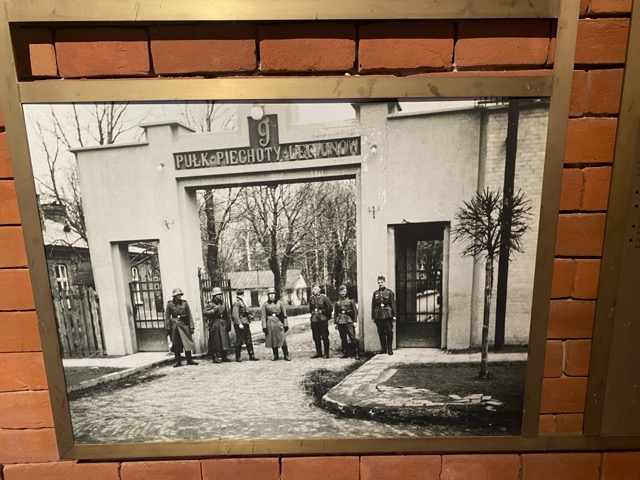
There was a large barracks building as part of the wall – still being used.
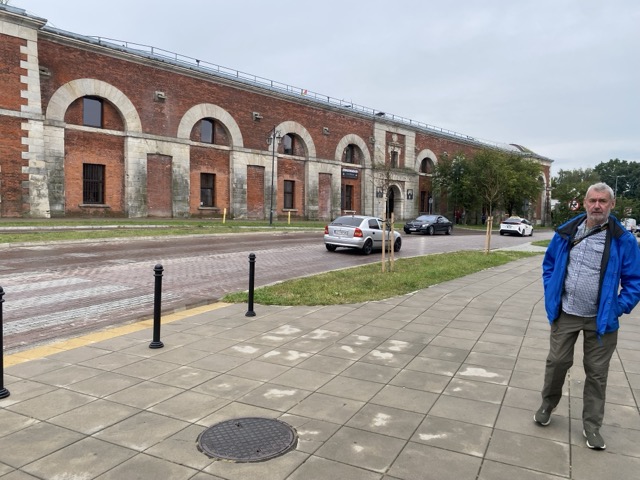
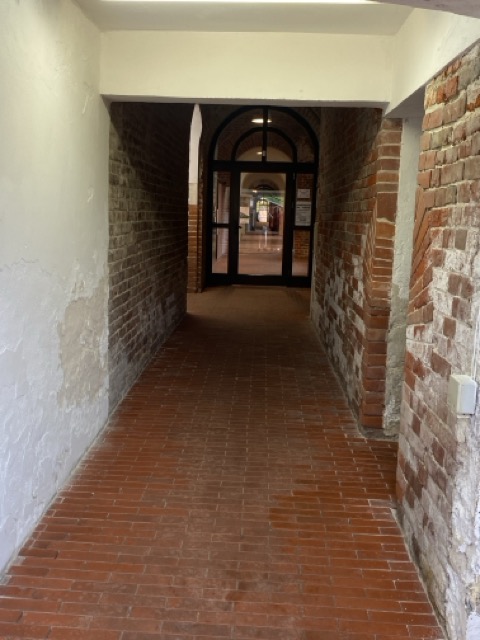
Walking back towards the square we came across the old synagogue which owned by a Jewish organisation has now been restored. Unfortunately the buildings adjoining it which were for synagogue attendees is privately owned and has been allowed to fall into disrepair.
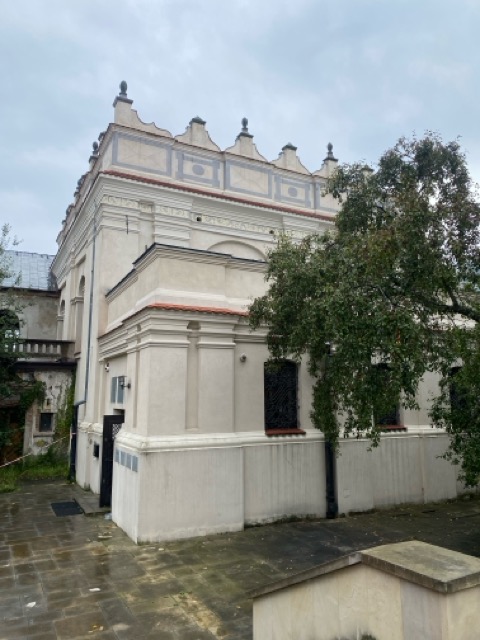
We went inside to check it out and see an exhibition. It was very lovely inside.
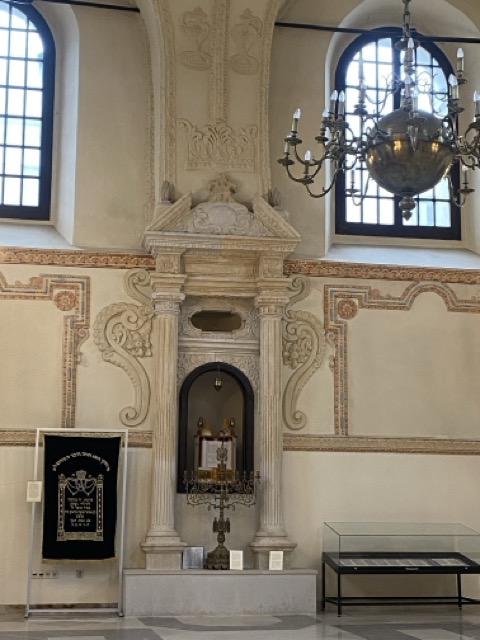
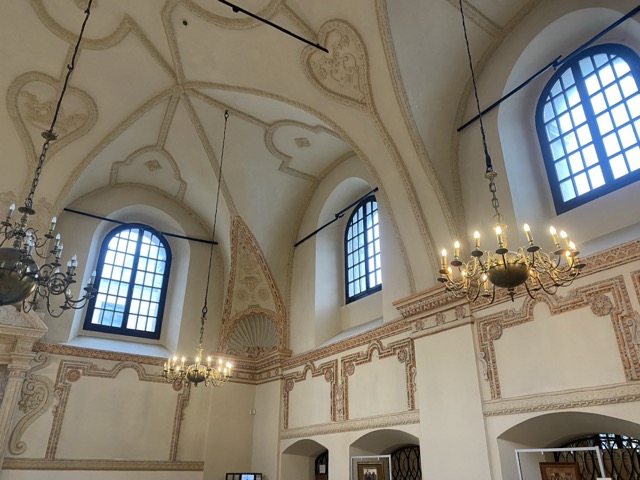
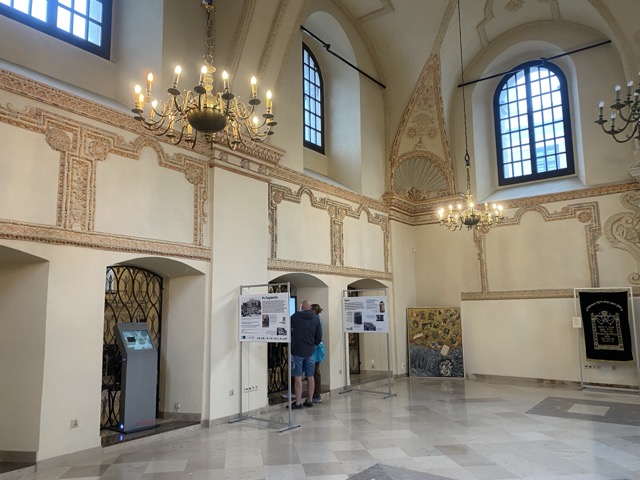
The exhibition was about what happened to the Jews during the different stages of the war and photos. There were photos from a photo album of families before the war who came to the synagogue and how they all ended up in ghettos and then killed in concentration camps. Out of 10,000 Jews originally living in Zamosc only 300 were left after the war. They were not particularly welcomed home by their Polish neighbours. They all moved elsewhere.
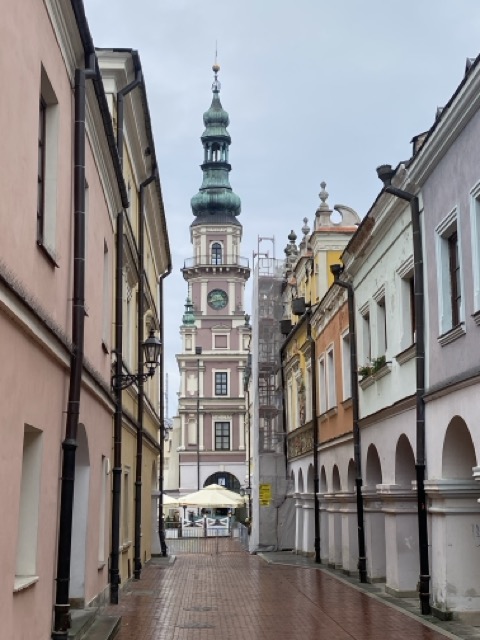
Coming back to the square we went through some interesting streets.
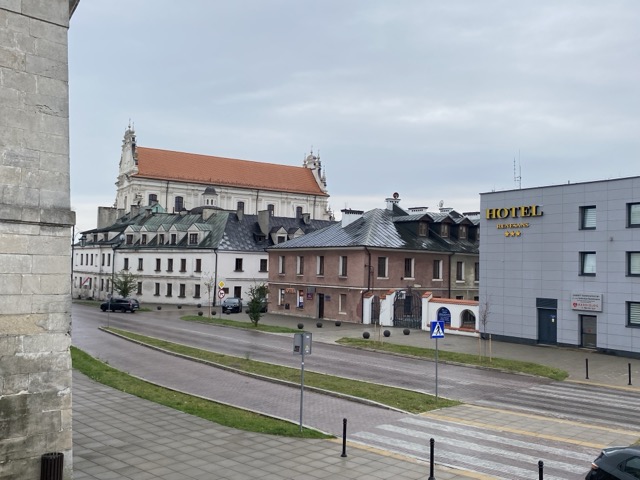
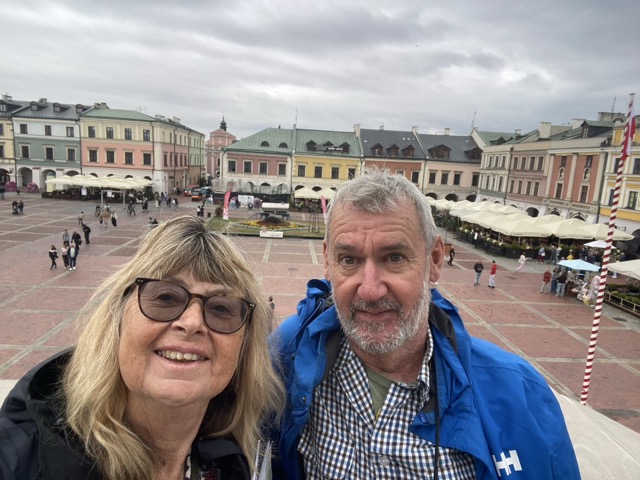
In the square we stood at the top of the stairs in front of the town hall and got a good view over the square.
We then went to the large fortification protruding from the town called the Rotunda which was built in the 1800s. It was first a military outpost, then became an arsenal.
The Germans used it as an extermination camp.
There were gravestones all the way up the long path. Many bodies had been moved from mass graves.
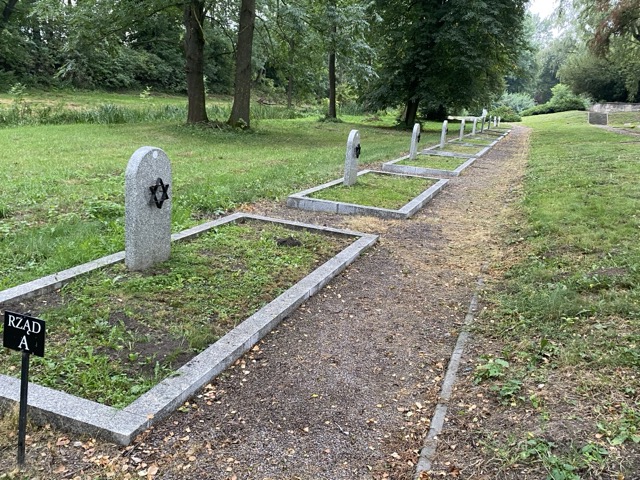
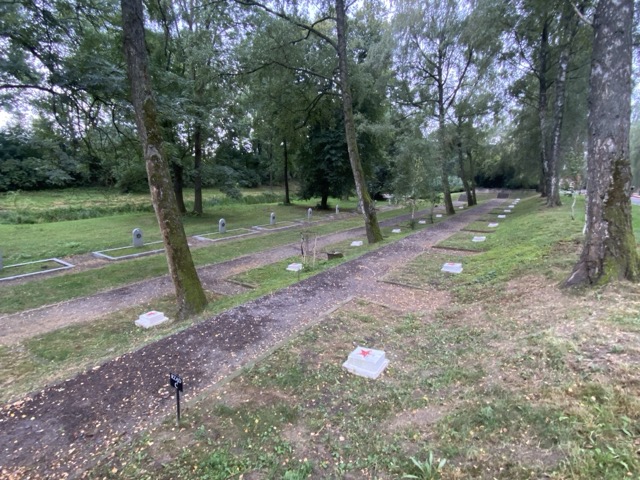
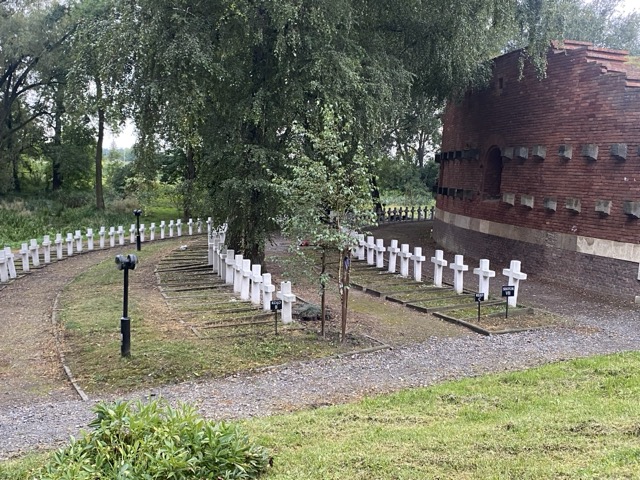
There was a plan to settle the area with Germans. Therefore they killed anyone in their way – peasants and community leaders – priests, teachers, lawyers. They brought them to the Rotunda and shot them against a wall. They then piled the bodies up in the middle and burned them.
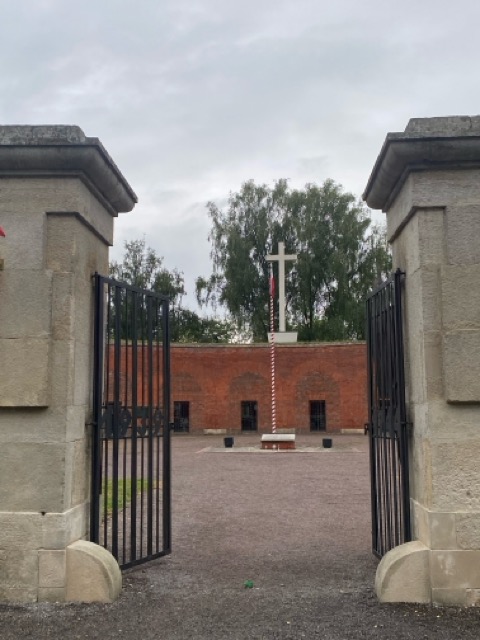
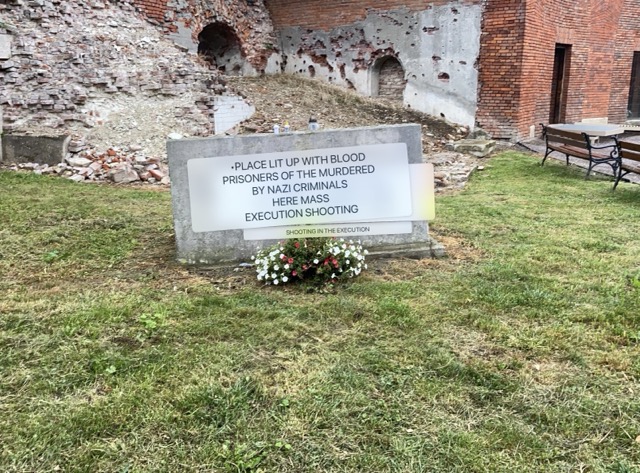
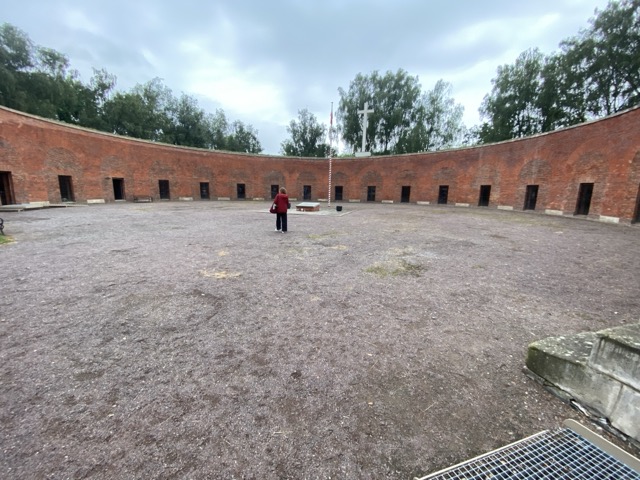
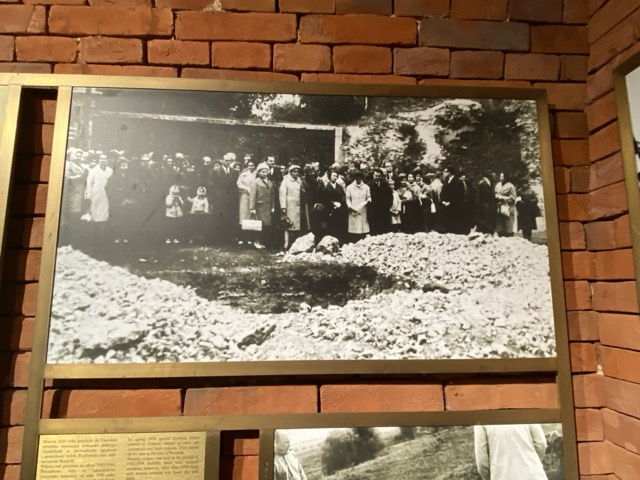
We then went inside the walls of the round building and saw many memorials to the many different groups of people who had been killed.
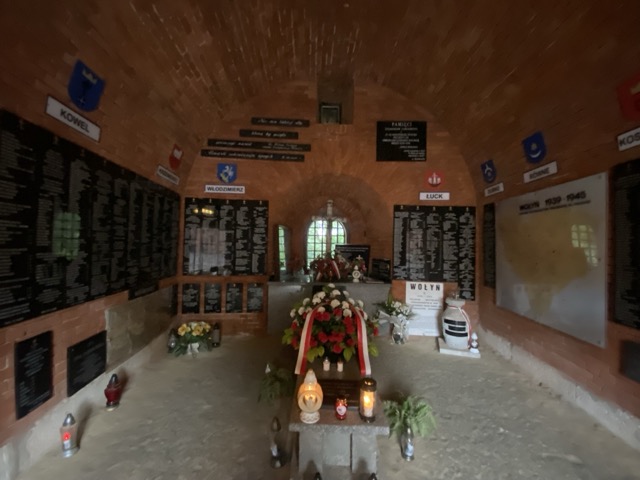
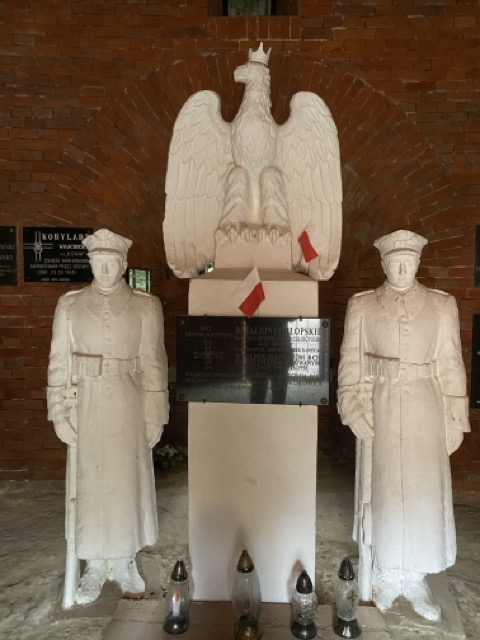
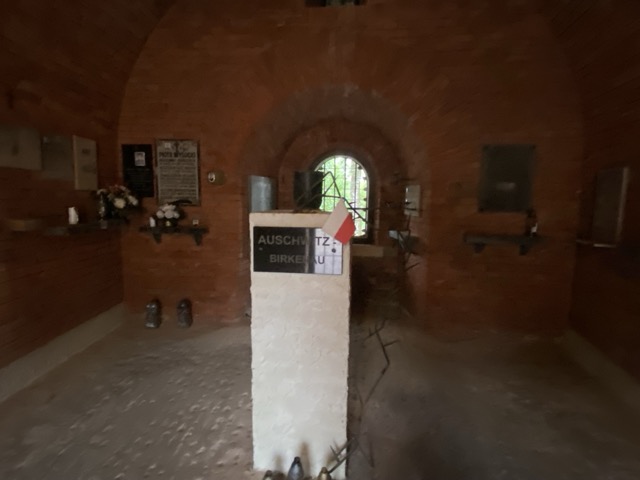
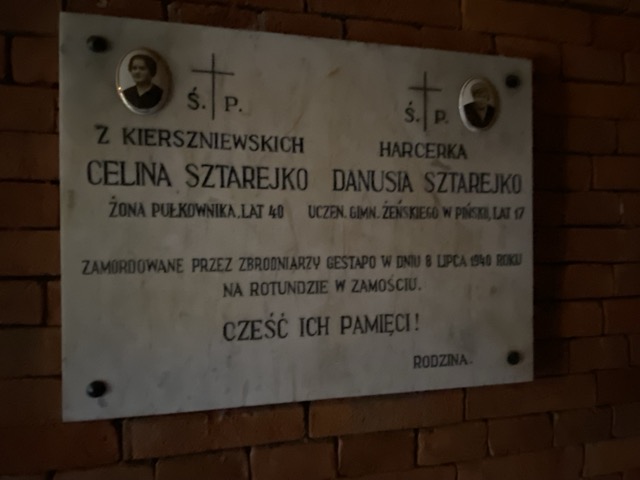
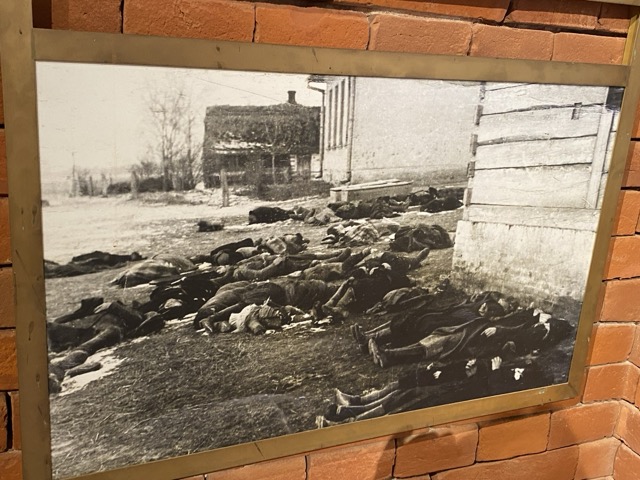
There were stories of Ukrainian gangs working for the Germans killing whole villages in very brutal ways.
The replacement Germans didn’t know how to farm so the whole project was a disaster.
The Germans had tried to change all Poles into Germans by banning any Polish cultural event and getting them all to speak German.
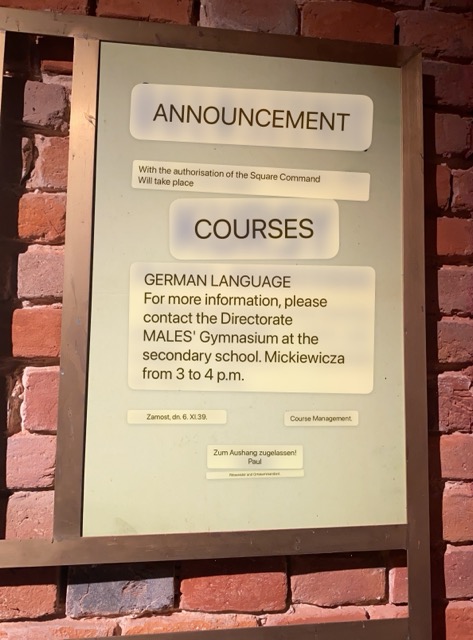
There was a couple of rich polish people who saved many thousands of children who were in a camp outside of Zwierzyniec where we are staying.
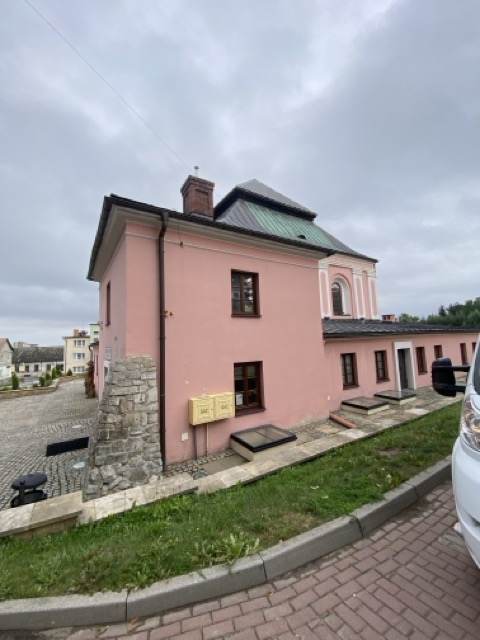
We drove home through the town of Szczebrzeszyn where many Jews had lived – all gone now. We stopped at the old synagogue – an impressive double layer one where the women sat upstairs. It’s now been restored and is a cultural and community centre.
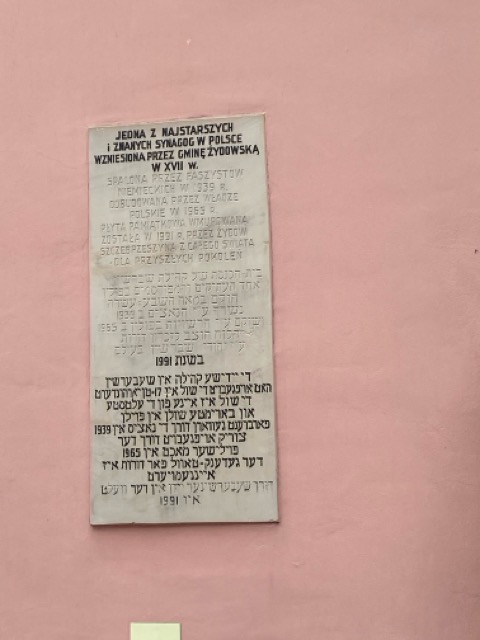
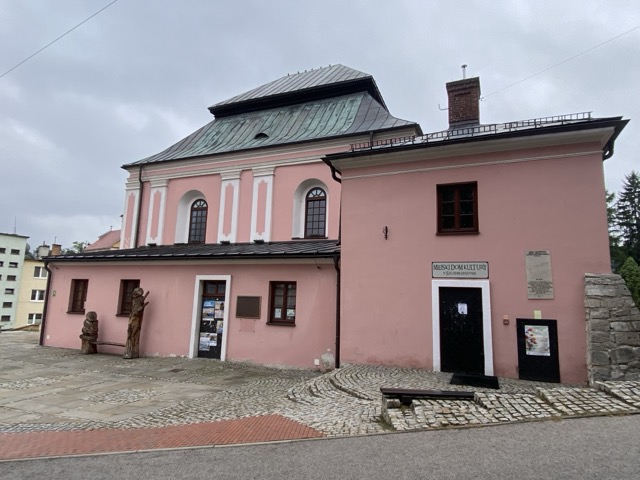
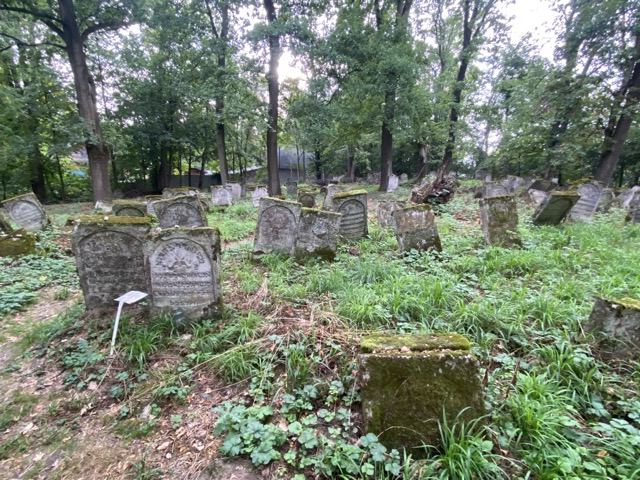
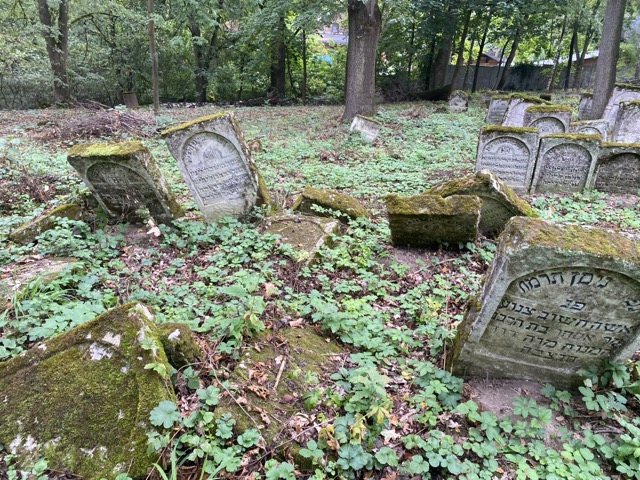
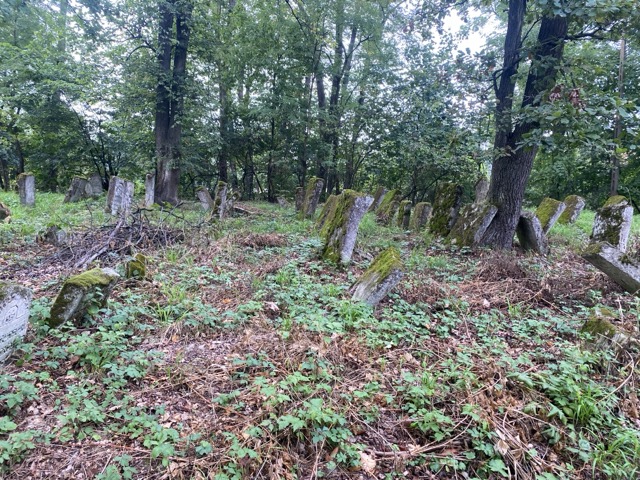
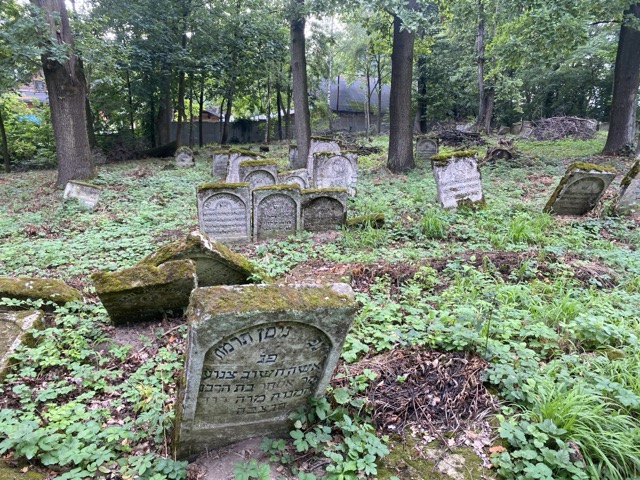
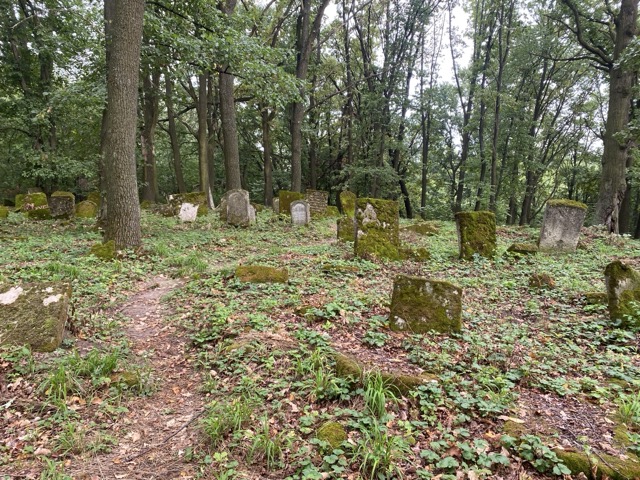
We then continued to the old Jewish graveyard. It was a narrow road so we had to park in the car park of the new cemetery.
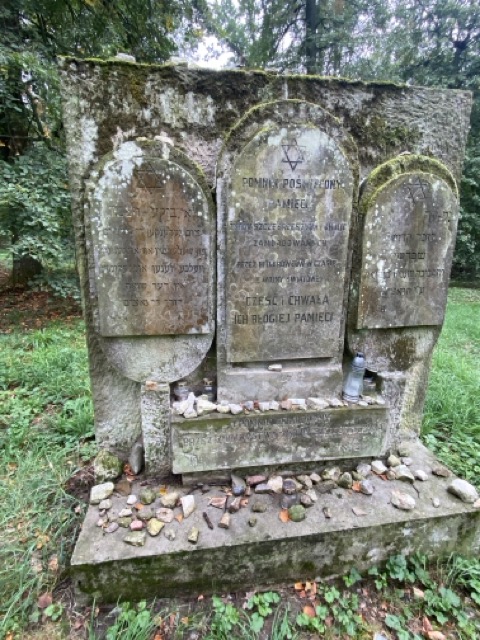
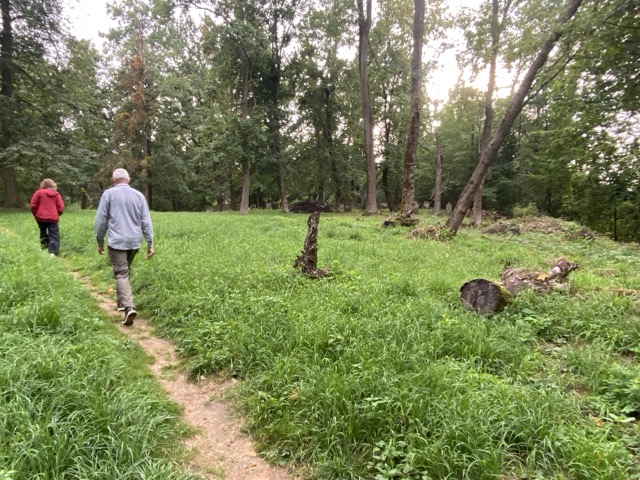
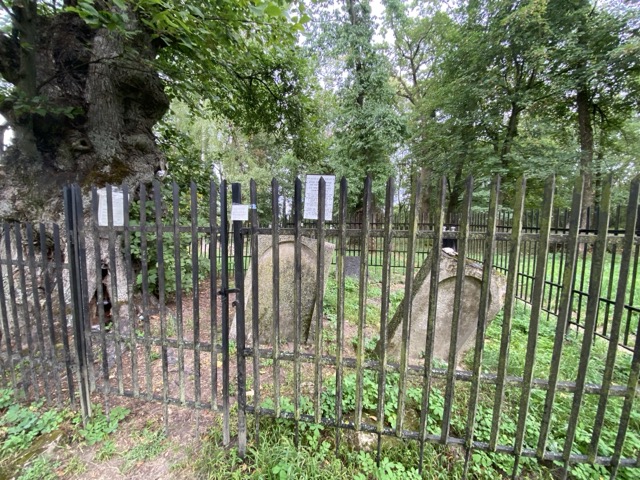
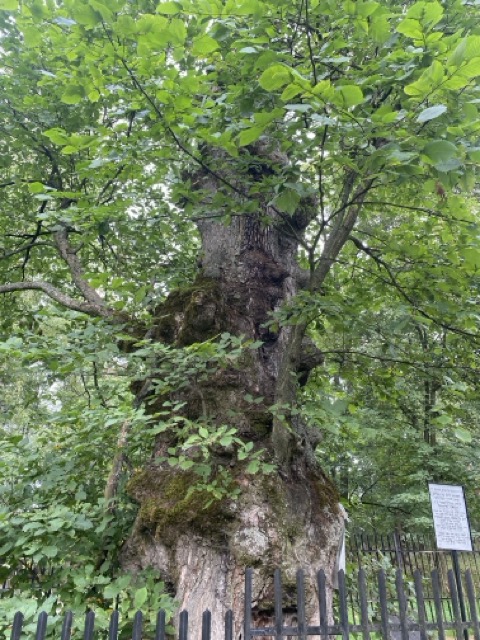
We walked back to the Jewish cemetery – there is a sign saying it’s a legally protected piece of land. It was started in the 1500s.
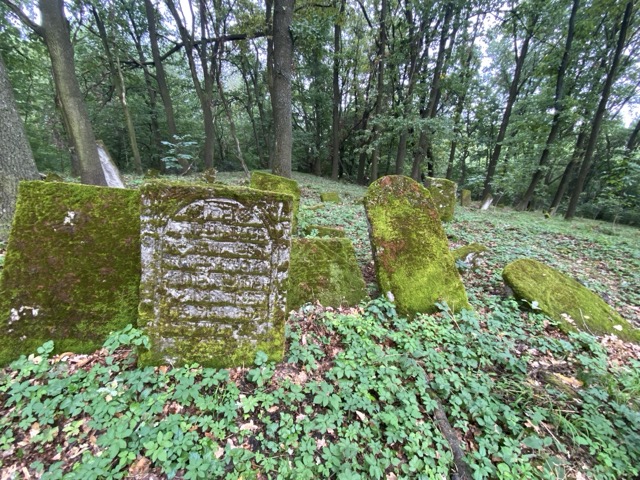
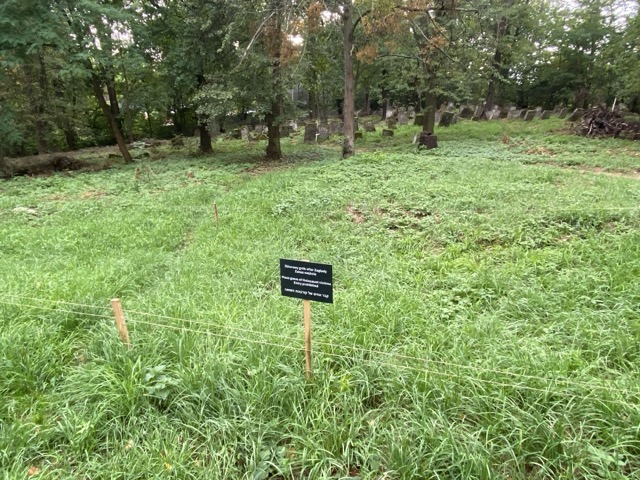
It’s not in great shape – there are stones at all sorts of angles and with broken bits. We aren’t sure if the Nazis tried to destroy it like they did with many others.
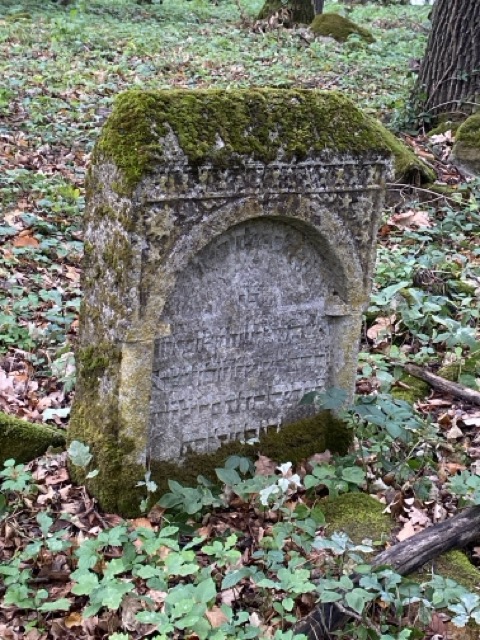
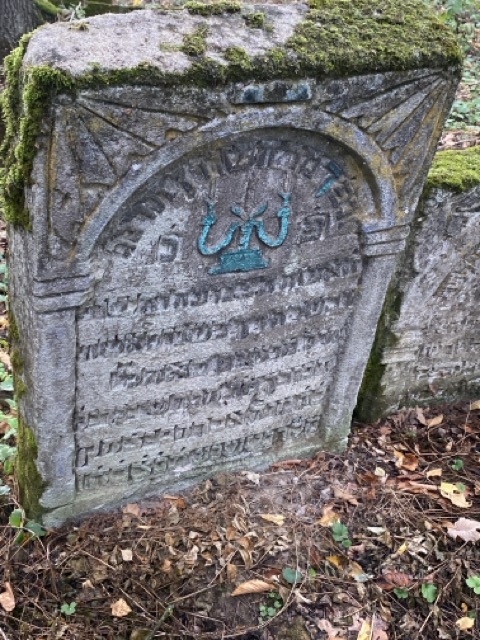
It was huge with gravestones all the way down the hill. We found some gravestones from the 1600s.
We then headed home with all that very depressing information. I made a Goan fish curry and lentil dahl to warm us up and cheer us up after all that.


Leave a Reply