We caught a train and then a bus into the old town of Warsaw.
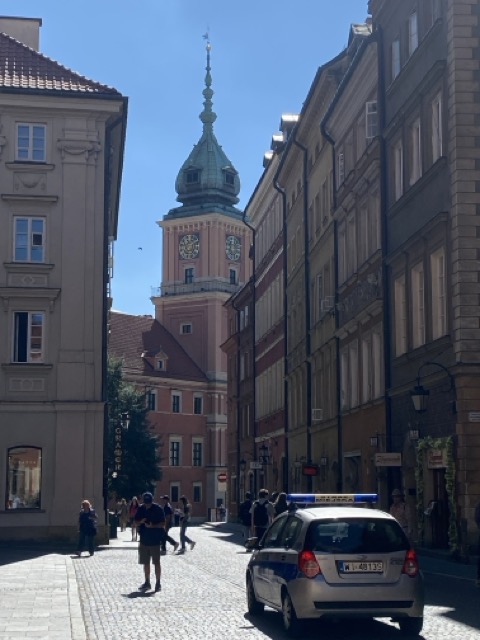
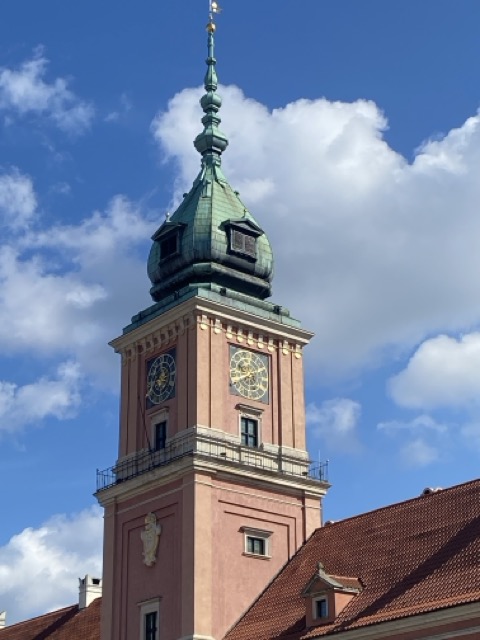
We first came to the Royal castle – it is very impressive considering the whole city was destroyed in WWII. The old town in particular was destroyed on Hitlers orders after the Warsaw Uprising in 1944 – we will find out more when we go to the museum.

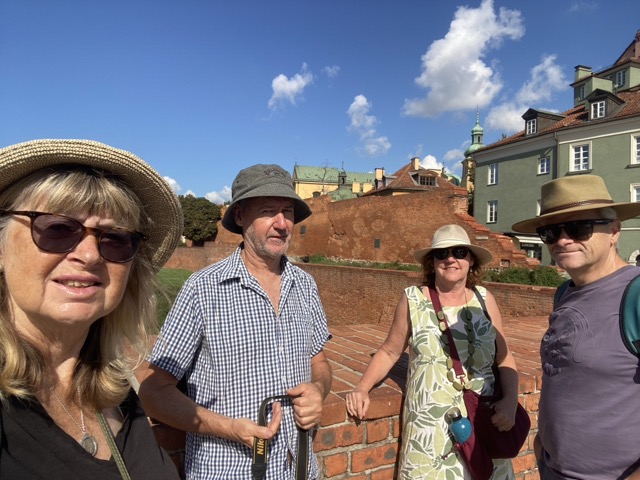
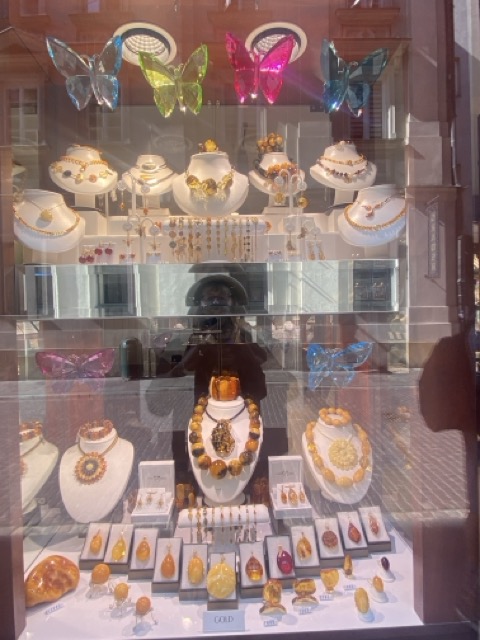
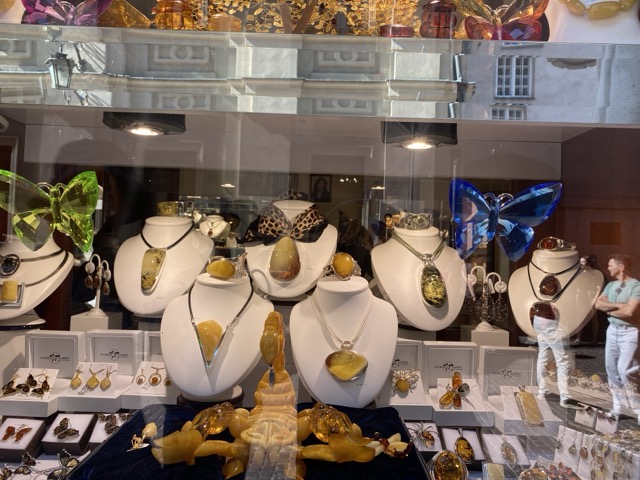
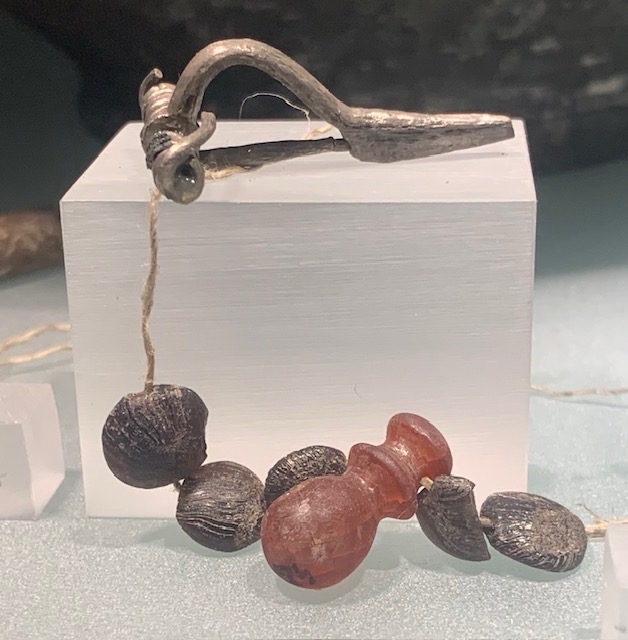
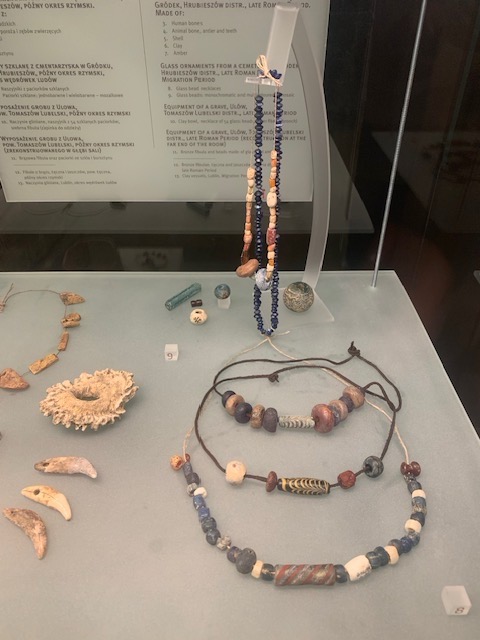
There were amazing amber displays in the shops – probably from the Baltic coast where it’s found on the beaches.
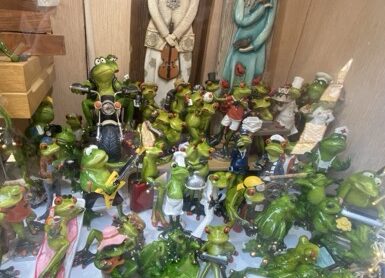
We enjoyed the display of frog figurines doing all sorts of activities.
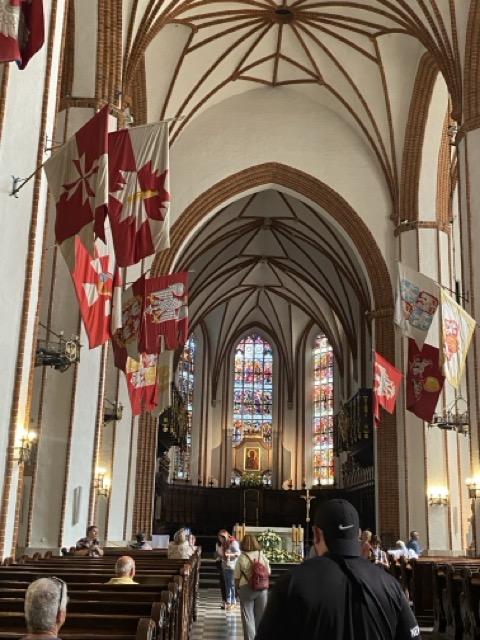
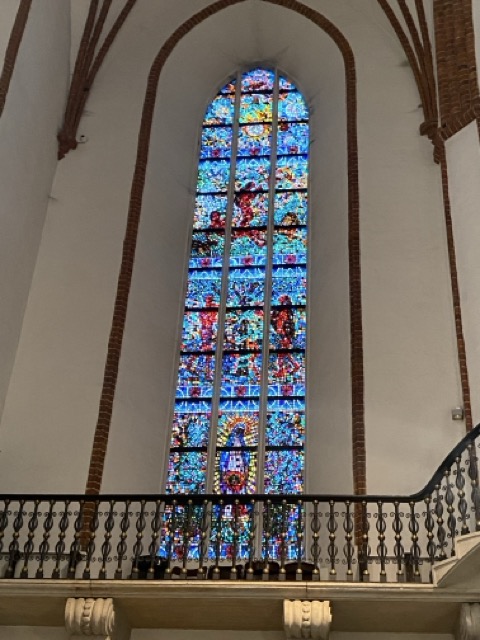
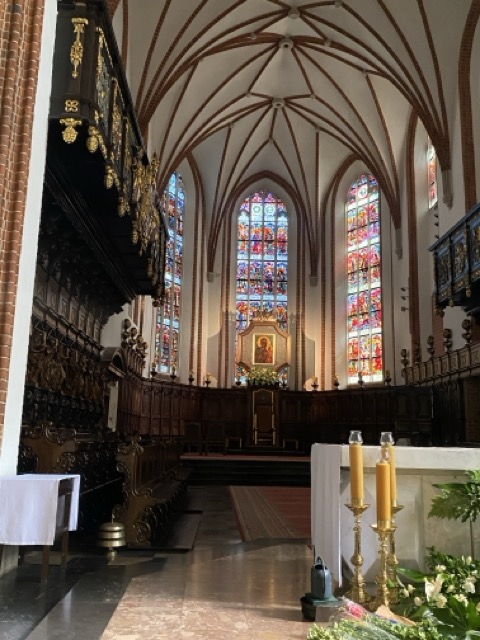
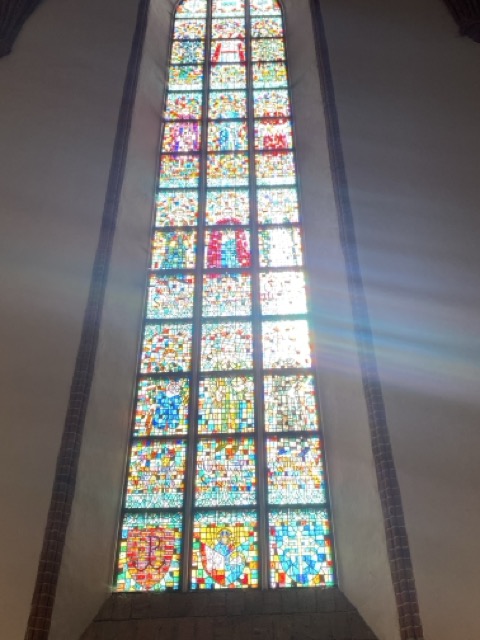
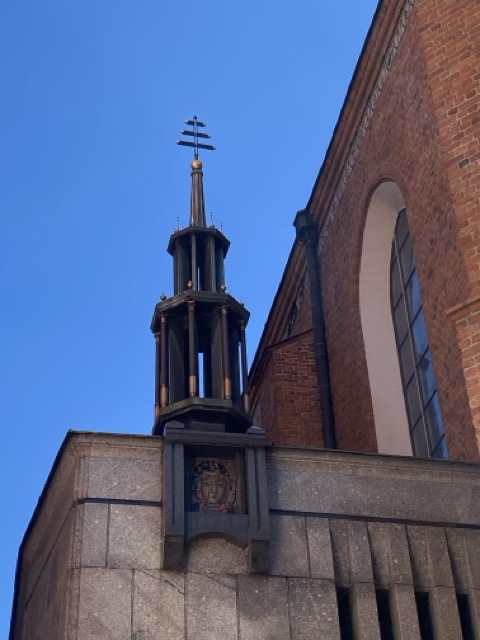
We came to the Cathedral which had also been rebuilt after WWII. It has amazingly colourful windows.
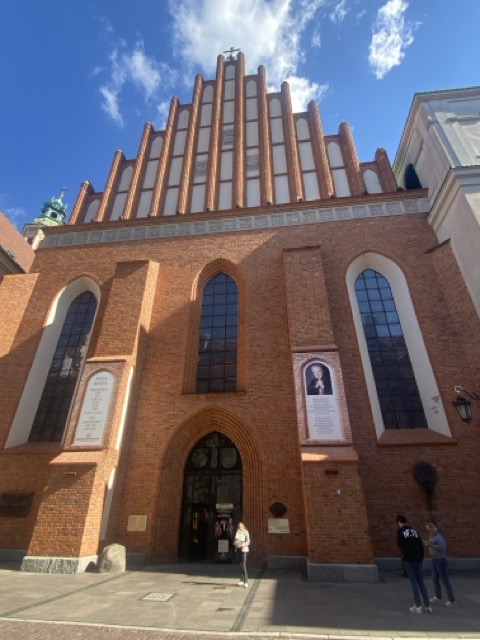

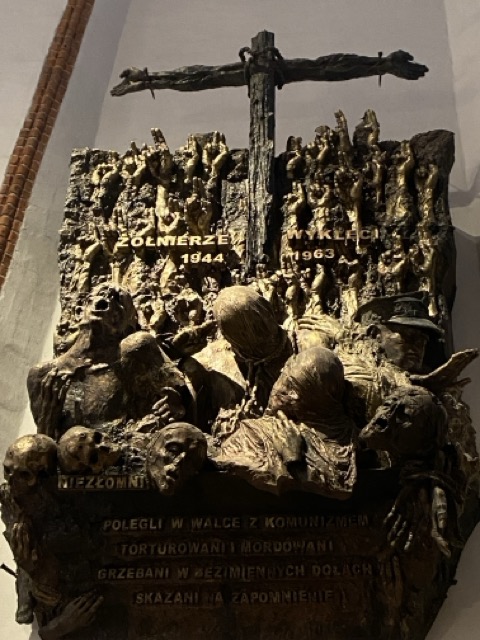
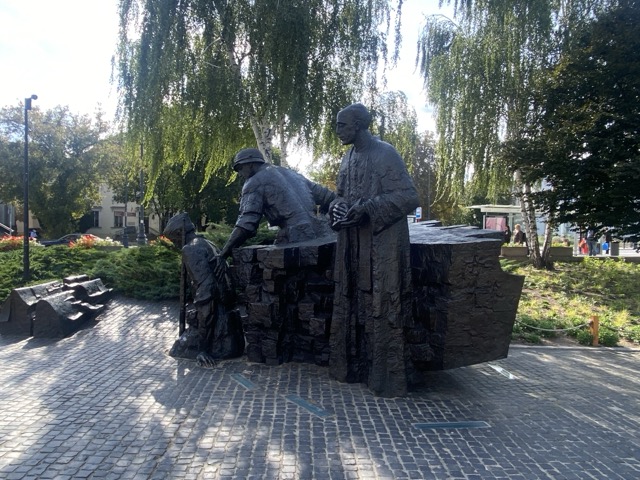
There are many memorials to WWII.
We then found a cafe for coffee and cake – the rooms here including cellar like roofing including the toilets look original and probably survived the nazi destruction.
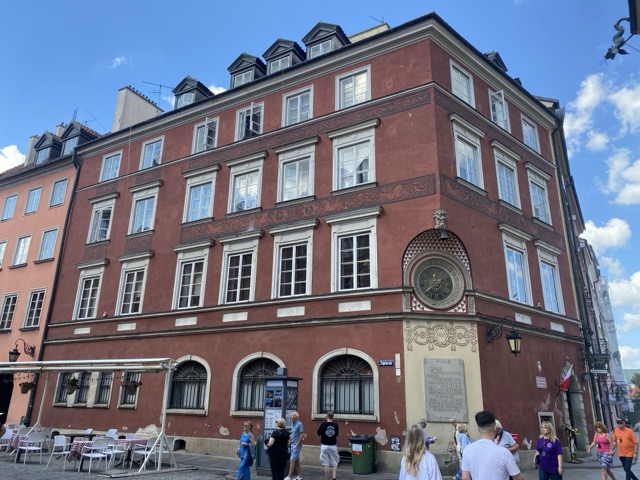
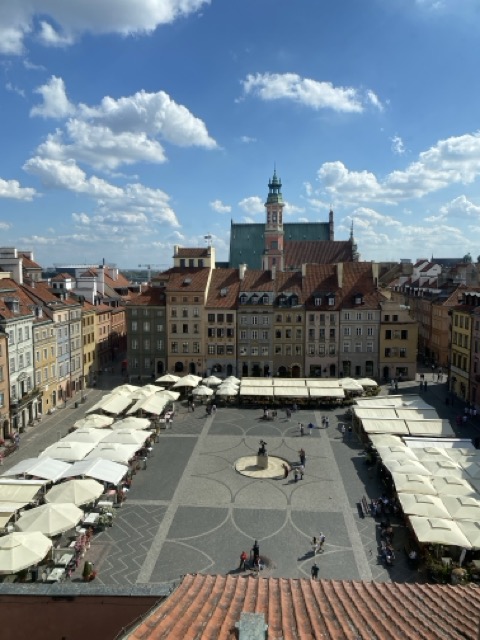
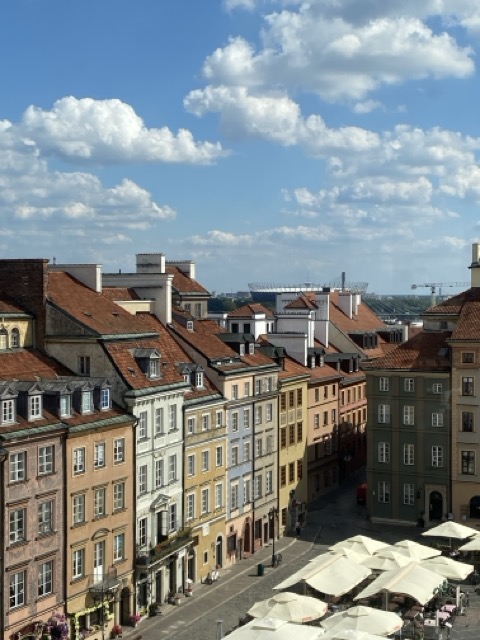
We then went to the main market square – the beautiful houses were recreated from old paintings and photographs.
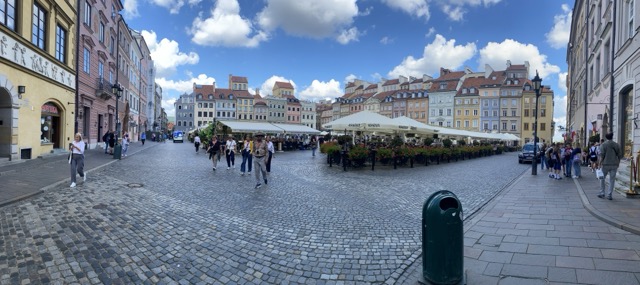
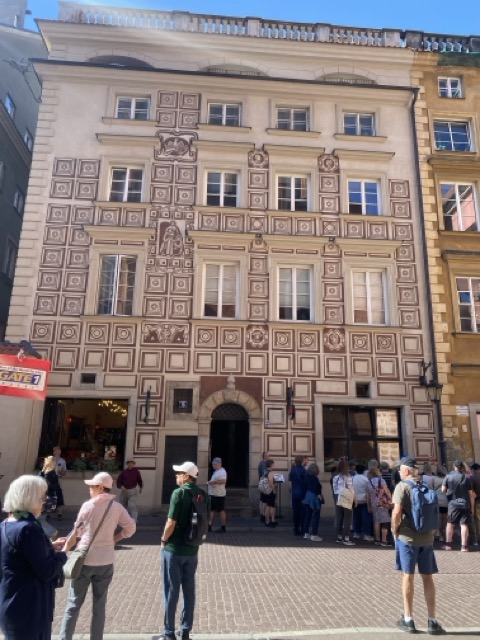

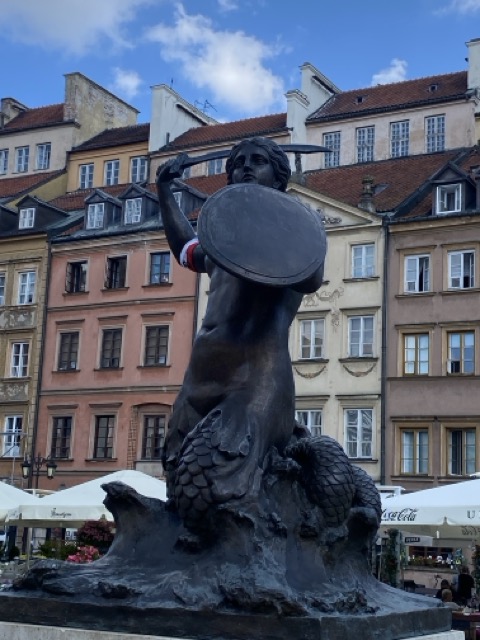
The mermaid statue at its centre represents courage and resilience and is on the coat of arms. It’s been associated with Warsaw since the 1500s.
The Warsaw Museum occupies 5 of the houses along one side of the square. It was free today on Thursdays so we decided to go in.
On the bottom floor was information and films on what happened to a Warsaw in WWII. First of all the Jewish ghetto was created and then liquidated. 400,000 Jewish resident (about 30% of Warsaw’s population) were relocated to a crowded area encompassing just 2.4% of the city’s total surface (roughly 307 hectares or 1.3 square miles).

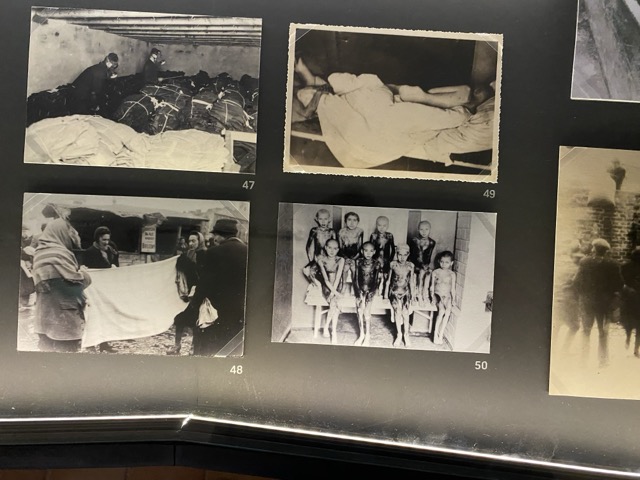
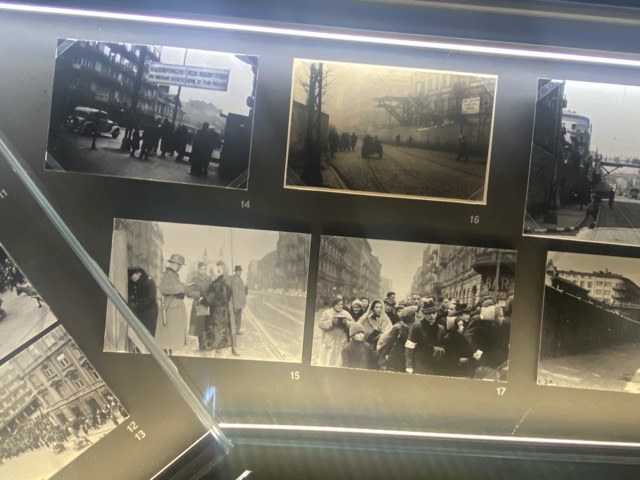
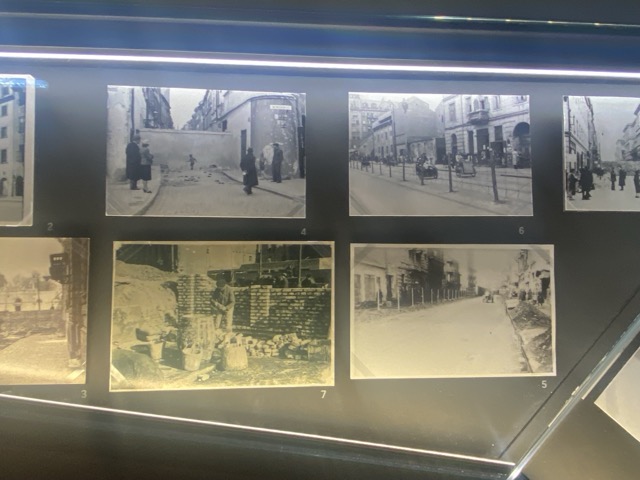
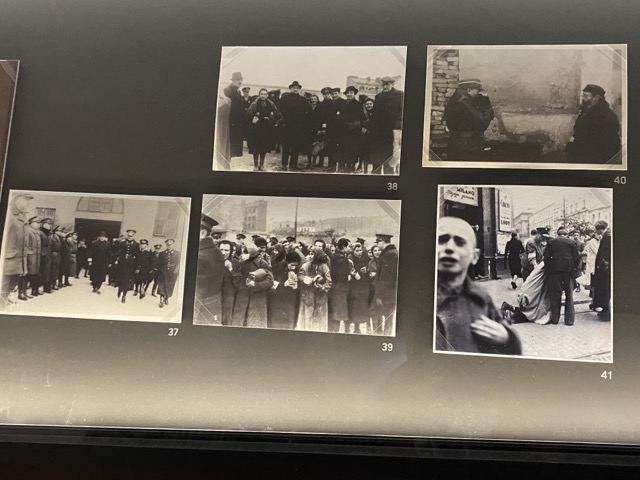
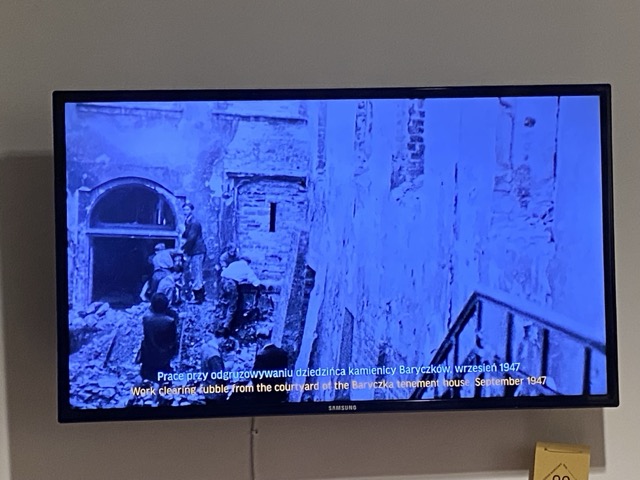
The whole area was totally destroyed. Not one house was standing – it was all rubble.
Then there was the Warsaw uprising in 1944 where everyone in the city fought to take back the streets. They managed to drive the Nazis out and hold onto it for 2 months. Unfortunately the Nazis eventually overcame them. Hitler was so annoyed he gave the command to destroy the whole city. It took them 3 months to do that. Not one house was livable in the end. However after the war everyone came back and got into rebuilding. It’s looking amazing now. But it has taken 81 years.
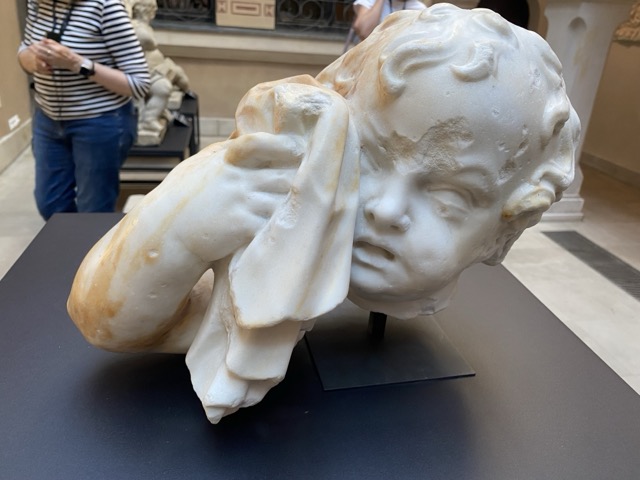
Archeology recovered old stone carvings- the dolphin from the river after the Swedes tried to steal it in the Swedish Deluge around 1660 -but the ship sank in the Vistula River. It was recovered at the beginning of the 20th Century.


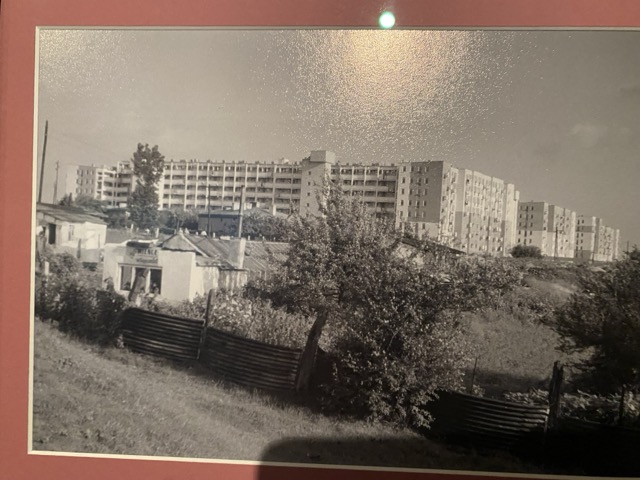
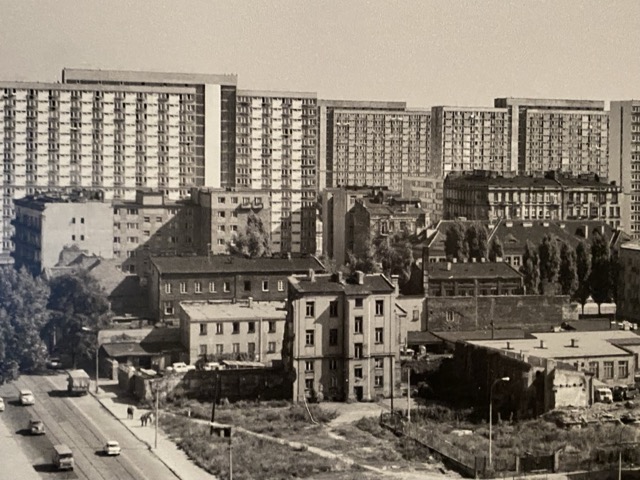
We saw a photographic exhibition on the life work of Alexander Minorski showing the living conditions for poorer people before the war – then many years after the war. The new blocks of units with the old tenements in the foreground showed the contrast.

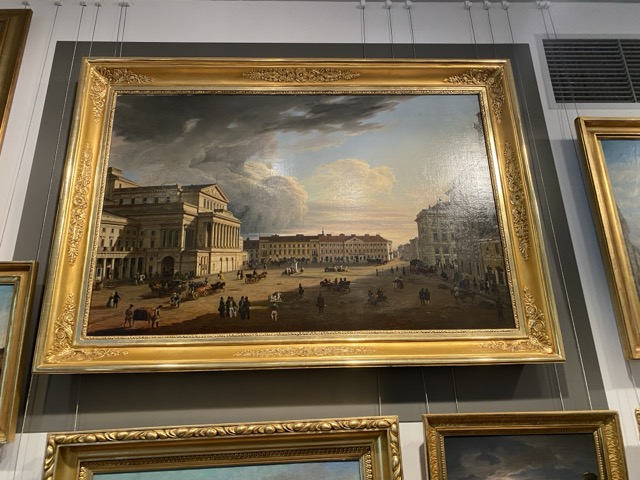
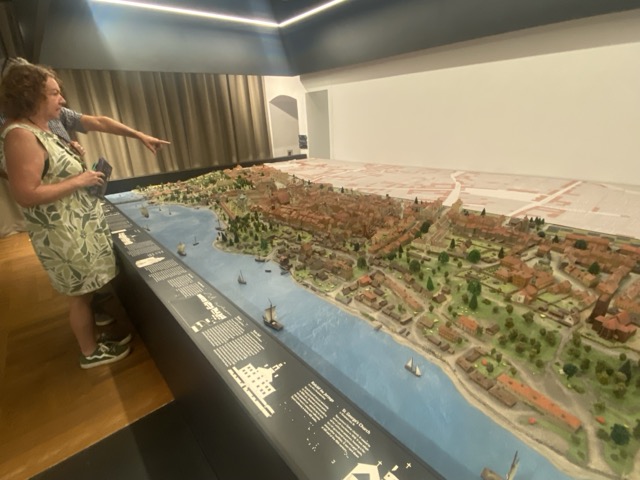
There were many paintings of the old town before the war – used in the reconstruction to know what to build.

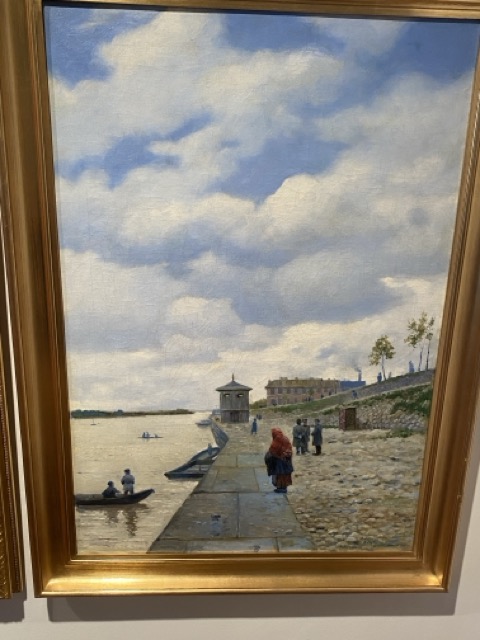
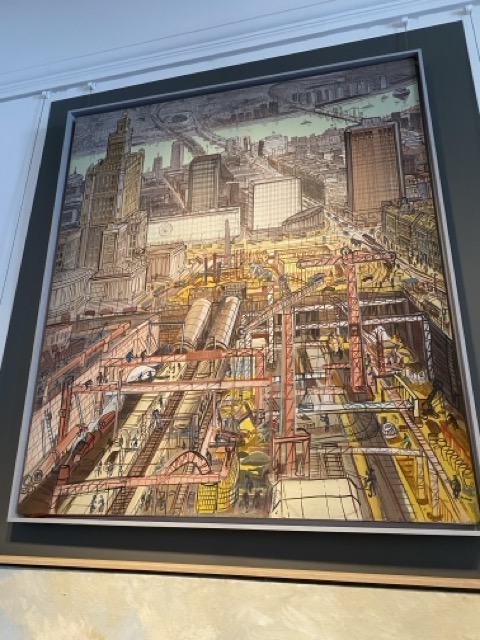
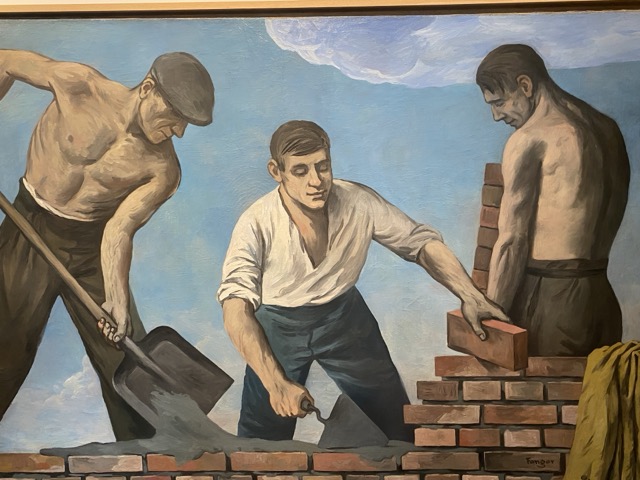
There were paintings from communist times.
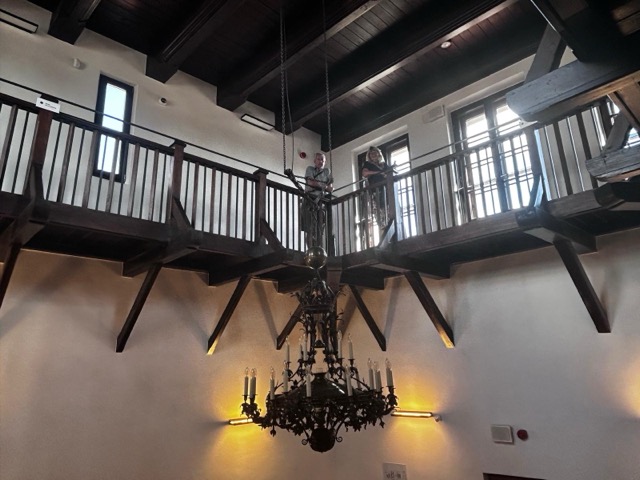
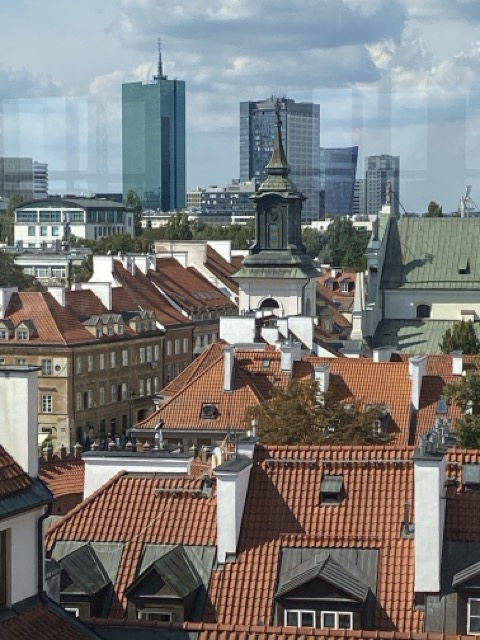
We eventually got up to the top of the building on the 6th floor and the views over the square and the rooftops were great.
We went back down and were hungry so we found a milkbar nearby.
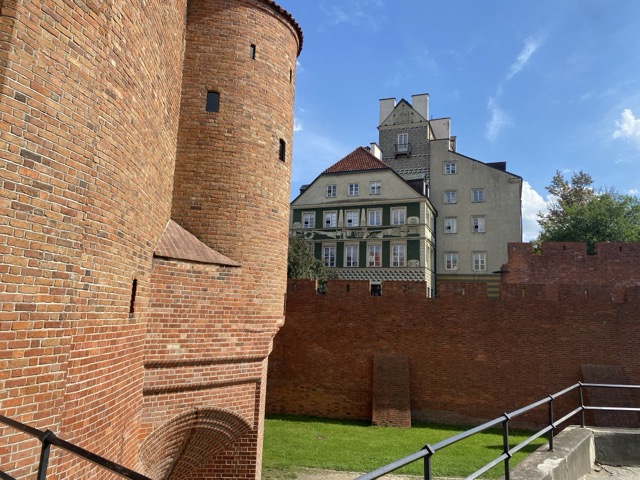
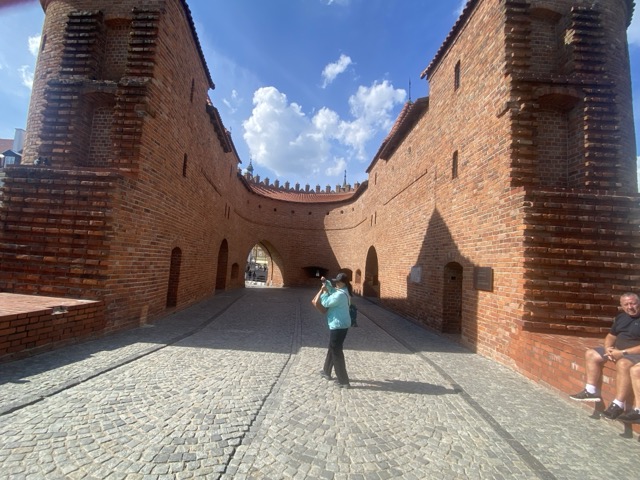
On the way we went through the barbican – the last structure on the city wall – also reconstructed- with a huge moat.
The milkbar was busy but we ordered from the screen which has English and pictures making it easy. Glenn had goulash on potato pancake. I had a cabbage roll – and we had 2 drinks of compote. The cost came to 40 zloties – 16 AUD. The food is excellent and healthy.

We sat next to an Australian couple who were travelling in Europe before starting work in London for 2 years. She is a civil engineer to work on the huge HS2 rail project. We had a good chat before they headed off.
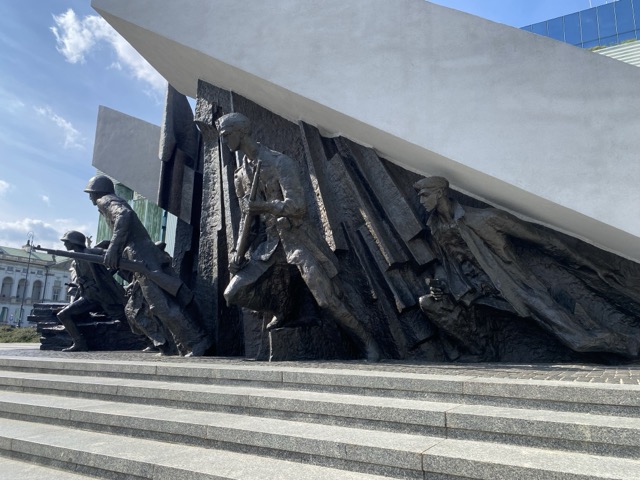
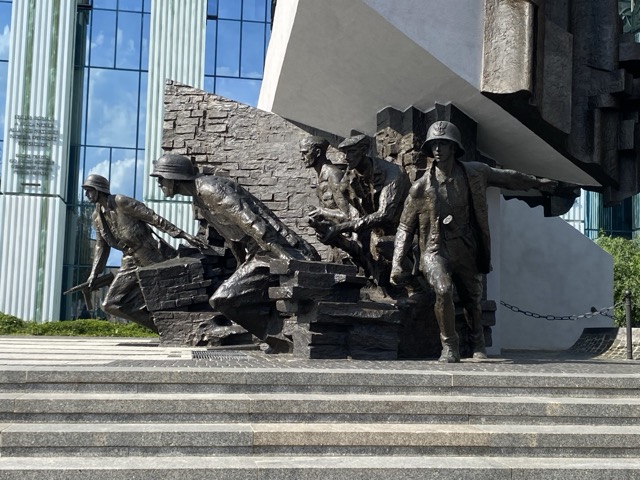
After lunch we jumped on a bus and tram to get to the Warsaw Uprising museum – also free today . First we went via the Warsaw Uprising monument next to the law courts.
It shows all different types of people fighting and coming up from the sewers that they used to get around the city undetected. It’s an effective monument.
Once at the museum we got audio guides which were fantastic so we didn’t have to read anything – just look at the presentations and films.
It took us through the stages in the uprising. The impetus was that the Nazis were losing the war and the Russians were approaching. Poland wanted to have independence and their own parliament again – and not have the Russians take them over.
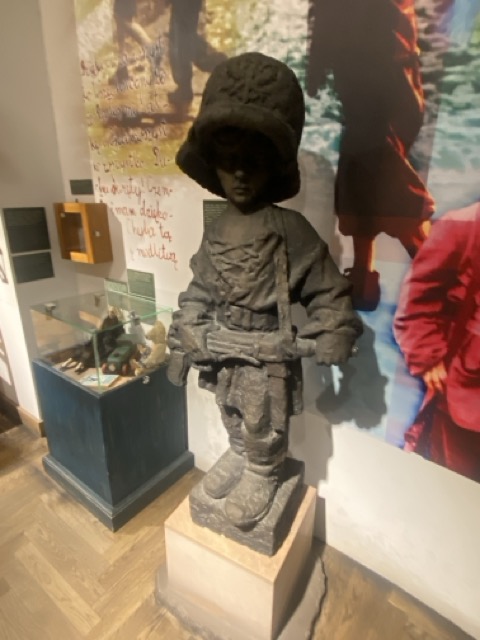
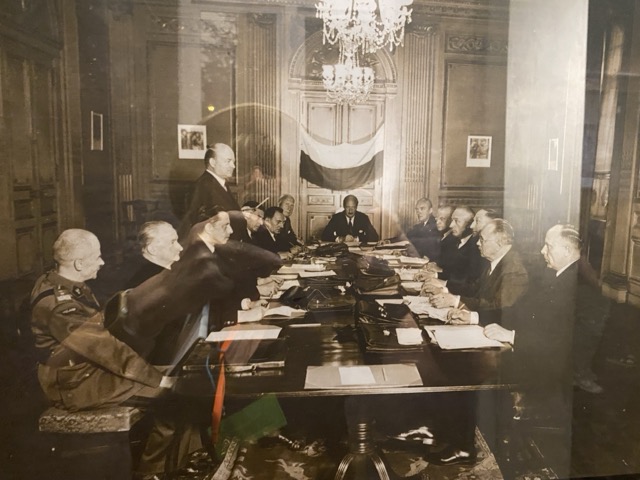
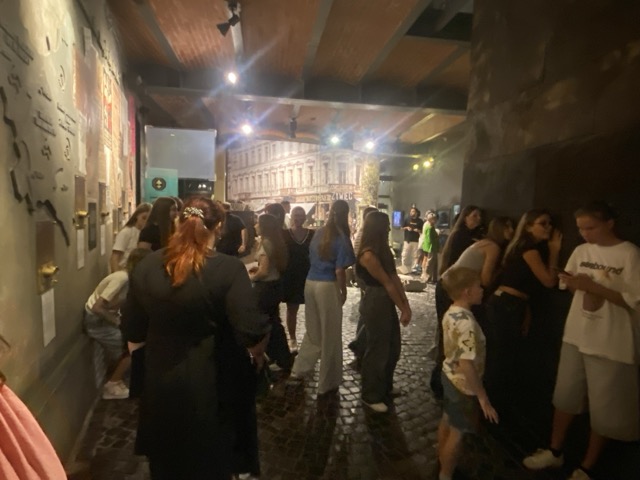
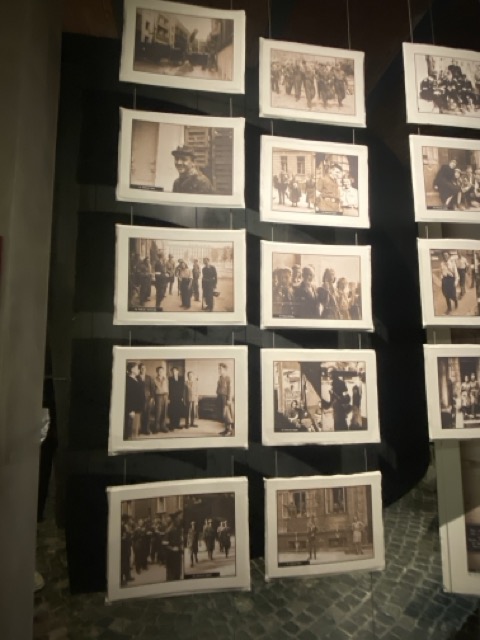
Everyone took action in their own way .
There was a selected W hour 5pm on 1st August 1944 when the uprising began. They drove the Germans out of the centre of Warsaw.
The Poles wore armband in red and white to identify themselves.
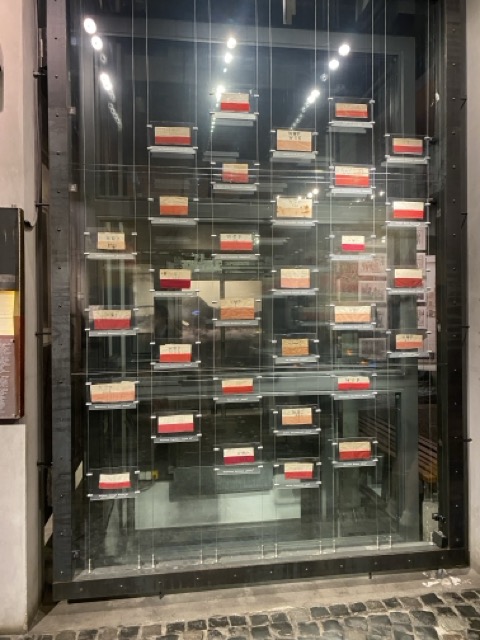
There were a lot of weapons that had been collected by the Polish underground.
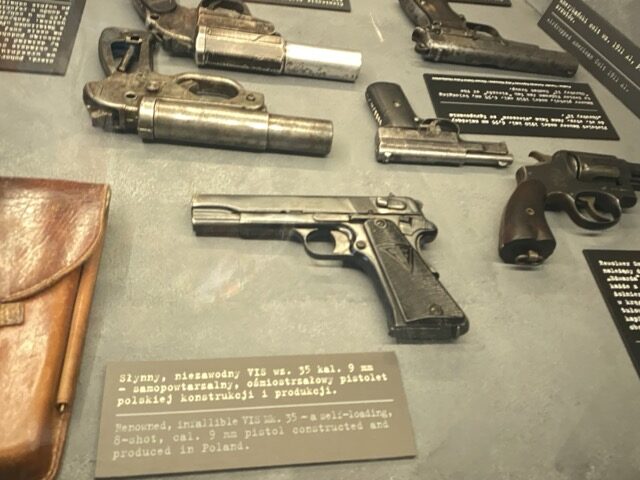
There were airdrops by the British. A print house published a newspaper and posters telling everyone what was happening.

The cinema gave regular newsreel updates. There would have been a lot of euphoria at this point as the people had their freedom back after many years of German occupation.
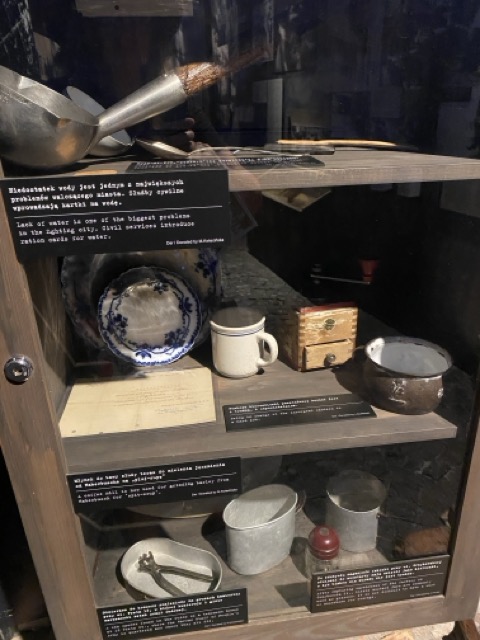
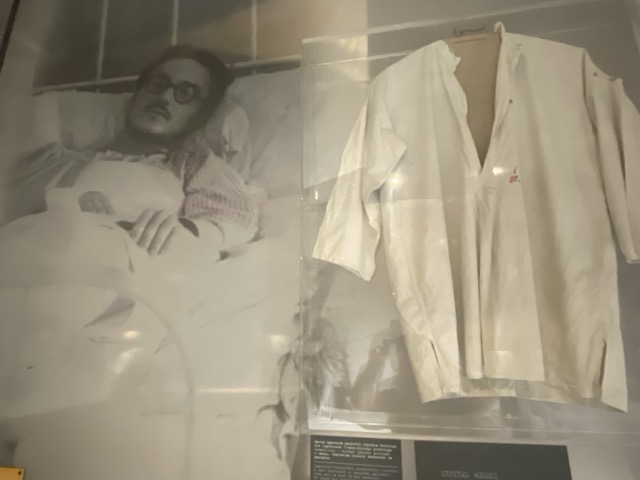


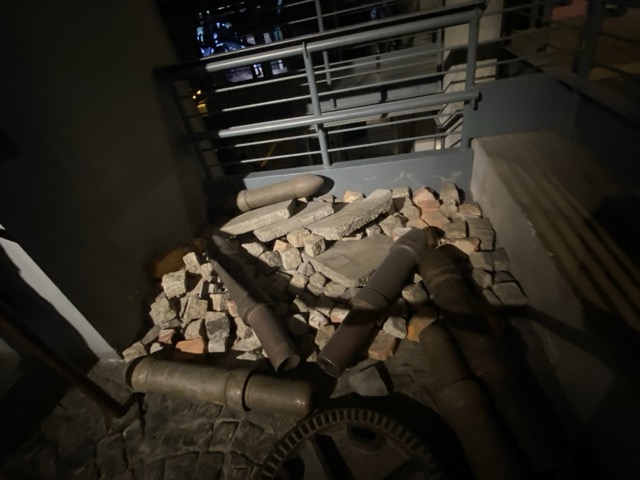
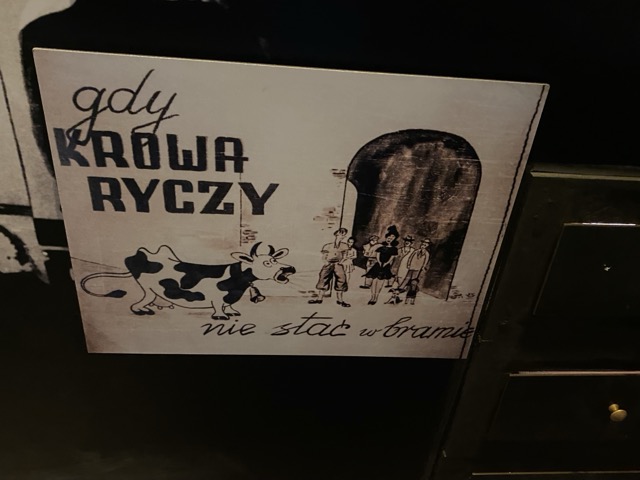
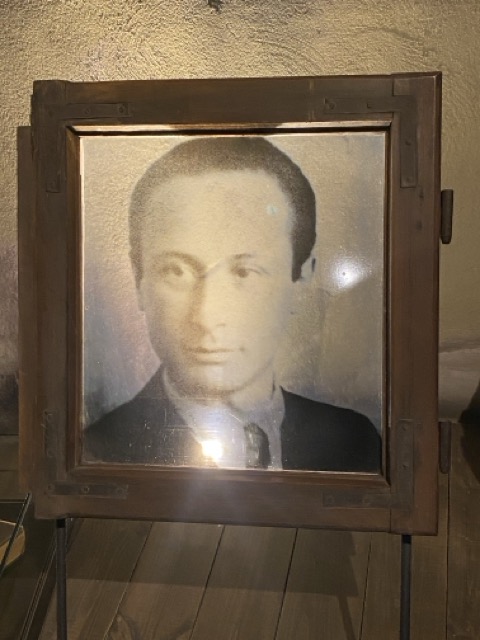
The Soviet Red Army halted its advance just outside Warsaw on the east bank of the Vistula River. Joseph Stalin deliberately let the German forces crush the non-communist Polish Home Army (AK). This removed any organized military threat to future Soviet political control over Poland. Furthermore, the Soviets refused to let Allied planes use their airstrips to drop food and ammunition to the fighters.

Unfortunately after 2 months the Nazis were getting the upper hand and there were so many deaths the whole town was becoming a cemetery.
The Polish Home Army had planned for a short revolt, expecting the Germans to quickly retreat from the approaching Soviet forces. They ran out of heavy weapons, ammunition, food, and water within weeks, and external air drops from Western Allies were too minimal to sustain them. It was a sad end.
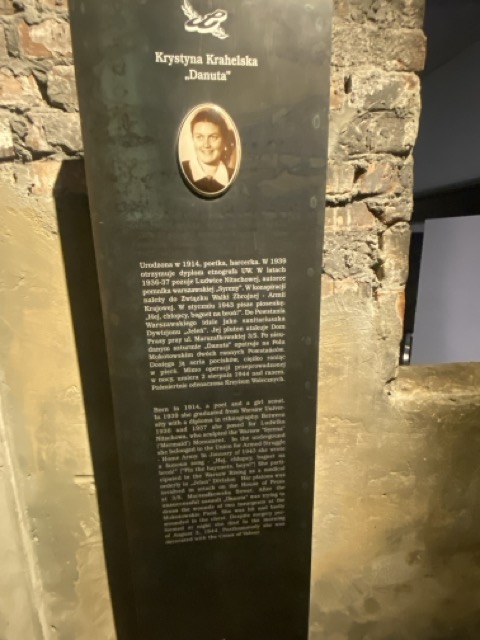
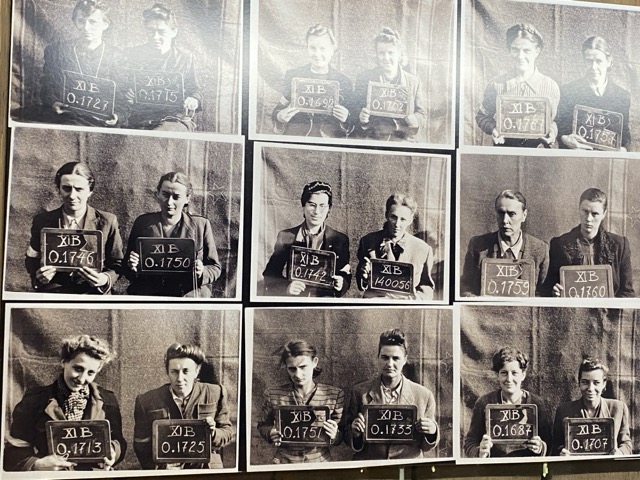
This is when Hitler ordered the city to be destroyed.
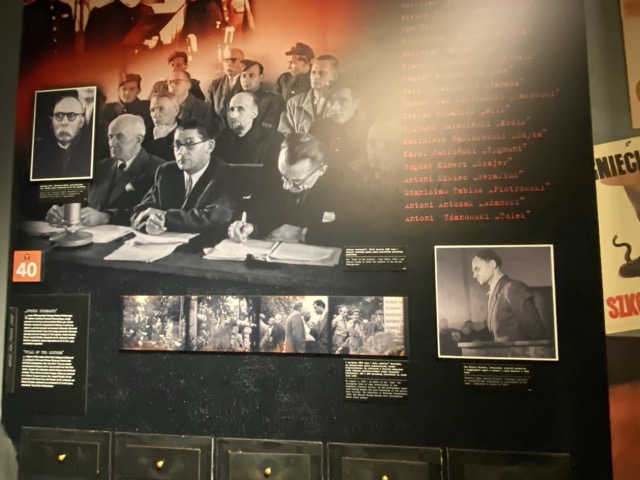
The Russians eventually entered Warsaw in January 1945. In March of 1945, leaders of the Polish Underground State and participants of the recent Warsaw Rising are invited to talks with Stalin’s plenipotentiary, Gen. Ivan Sierov. They are arrested and transported to Moscow, and in June are tried in the ‘trial of the sixteen’, charged with collaboration with the Germans and anti-Soviet sabotage. Three of them are freed of charges. Others are sentenced to 4 months to 10 years in prison. Gen. Leopold Okulicki, the last commander of the Home Army, Vice Premier Jan St. Jankowski, and Minister Stanislaw Jasiukowicz are sentenced to 10, 8 and 5 years, respectively. They all die in Soviet prisons.
After all that we got back on the tram then train back to the campsite around 7pm. That was a long day after setting out at 9am.
I quickly made a chicken and mushroom stroganoff – we sat in the nice little shed again to have dinner. We met an Irish chap travelling by himself throughout the Balkan states. He says the Russians are settling their people in these countries to keep a hold on them – and perhaps get them back into the USSR. It sounds a bit scary.
We were exhausted so we were soon off to bed.
Keep in touch here!