We woke up in the morning in Cassel to a misty day with sun coming out.
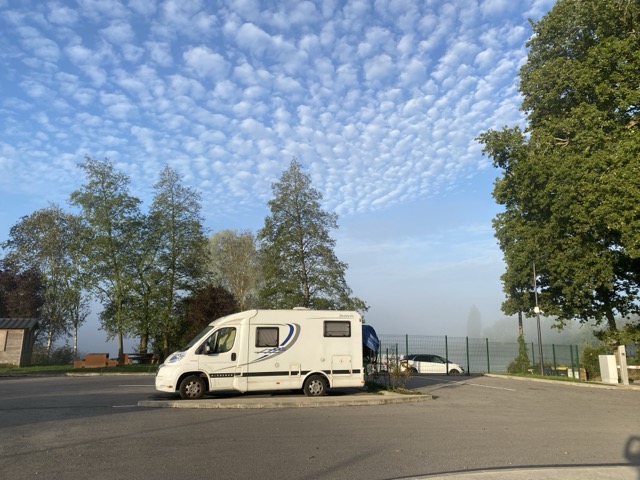

We got going at 9am and drove to Dunkirk for the ferry. It was still quite misty.
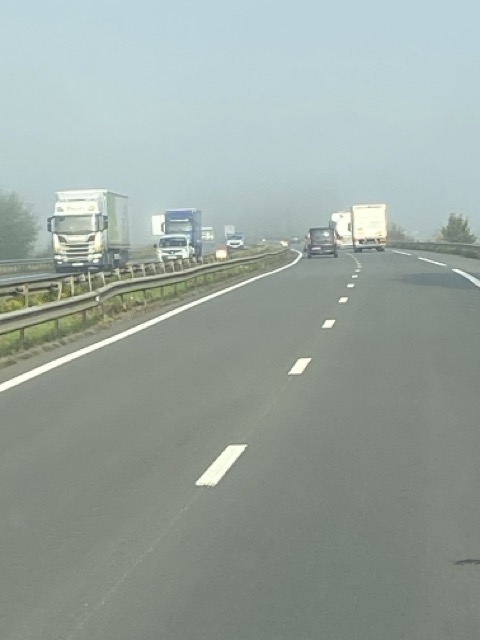
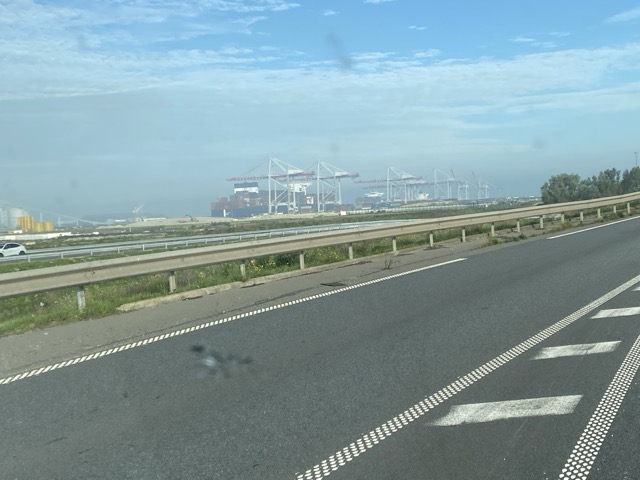
It was very quiet and we went straight through. As there was no one else around we had a chat with the British passport guy on the way in about Poland – he loved it too. He was amazed – and jealous- that we had spent 2 months there.
We were checked twice for refugees inside the van including the toilet and the wardrobe and in the garage.
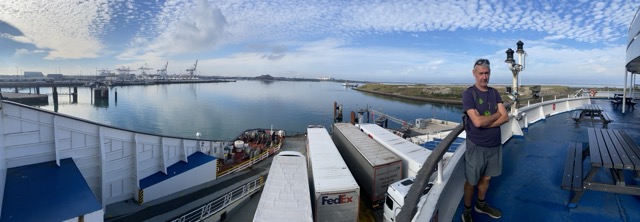
Once through we had time to go to the huge duty free shop at the dock where we bought a few things. That meant we didn’t have to go to the shop onboard. It wasn’t long before we were loaded.
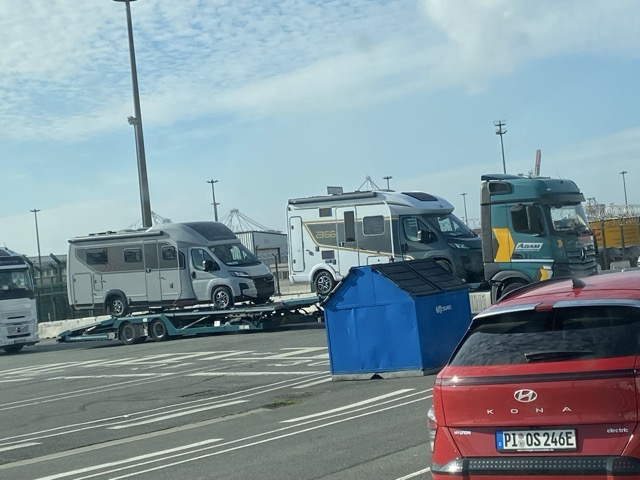
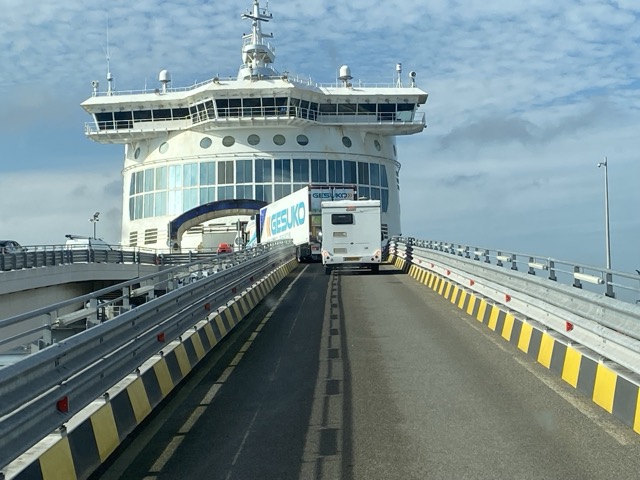
There were very few vehicles around – only 1 coach with an excitable party of Italians that kept the noise level up. 1 side of the cafe area where we were was closed as there weren’t enough people to use it so we were surrounded.
We had a totally flat crossing and enjoyed the views from the large glass windows.
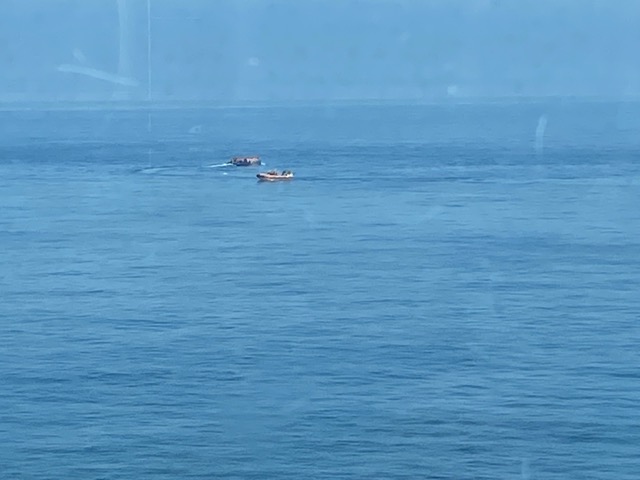
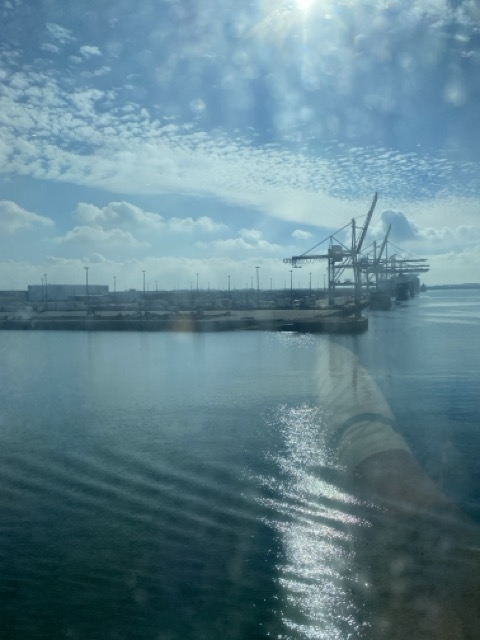
Leaving the docks was a small boat with lots of people all with orange life jackets and a coastguard vessel. I hope it was a practice for stopping the boats trying to cross the channel.

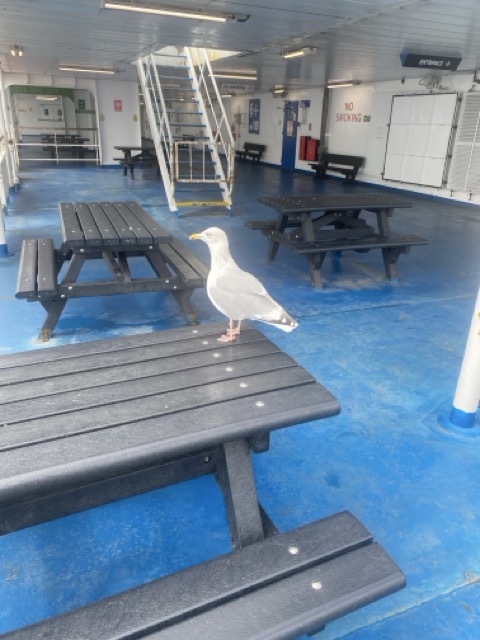
A cheeky seagull hitched a lift.
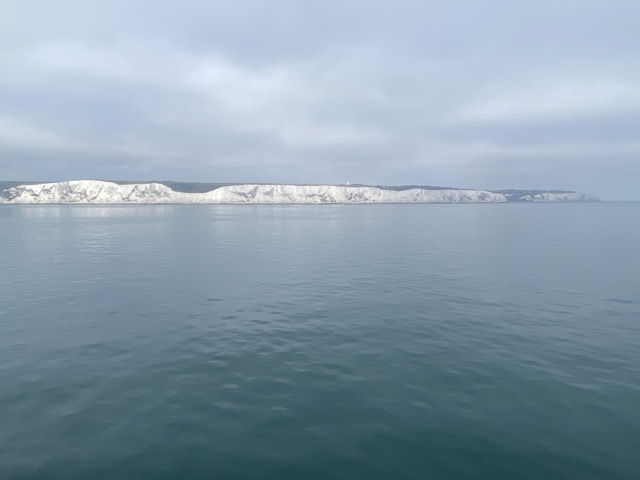
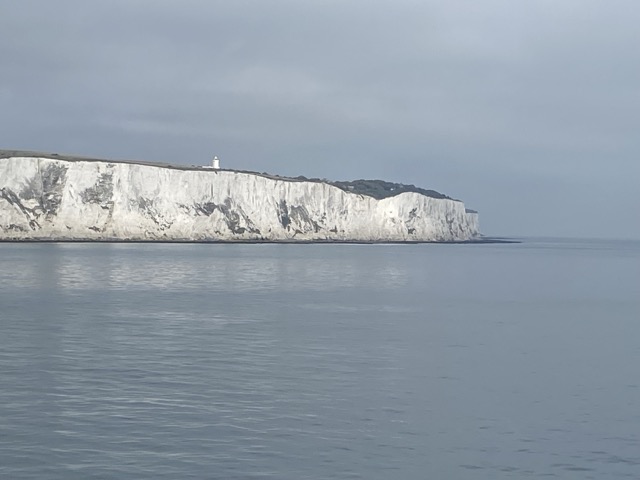
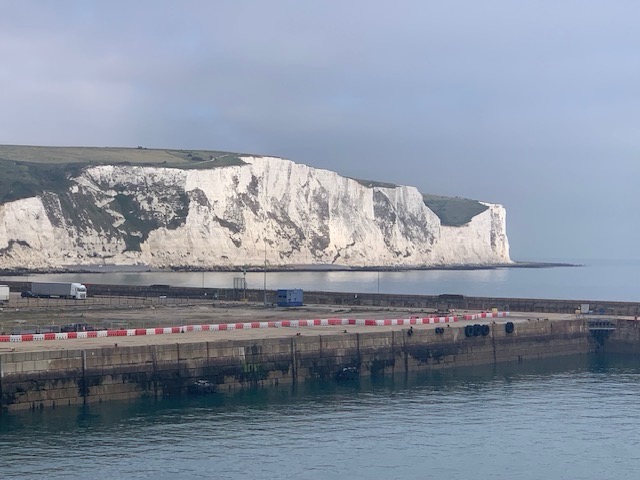
In 2 fast hours we saw the white cliffs of Dover.

There were no further checks on the UK side so we drove off to Colchester seeing the next ferry returning to France.
We went through the Dartford Tunnel and through Essex into Colchester.
We stopped at the Colchester Country Park RV Park which is very comfortable but noisy with traffic right next to us.
After getting settled in we went for a walk in the Lexden area finding Iron Age triple earthwork dykes that were defensive walls to protect the settlement from other tribes and in particular chariots that were used in warfare.
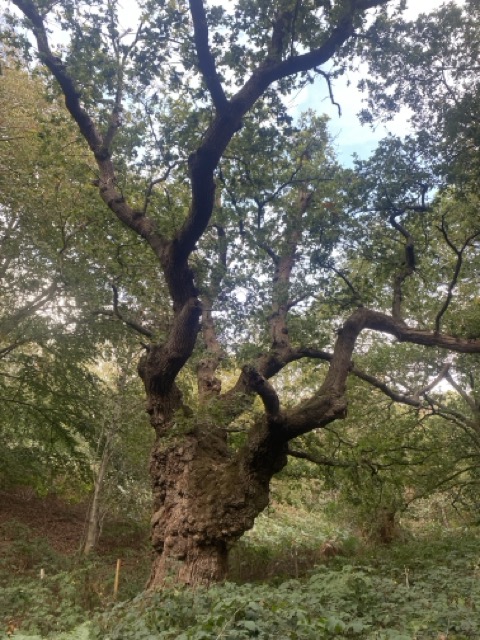
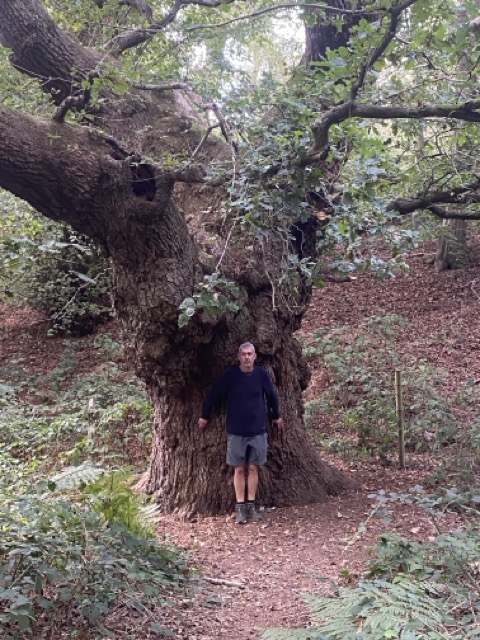
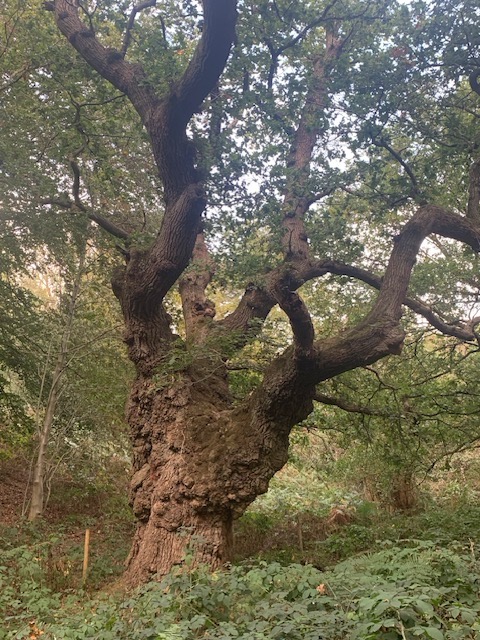
The Iron Age area called Camulodunum encompassed an area of about 25 sq km. It probably had large wooden fences on top with gates. The Romans destroyed part of it when they invaded but it was reconstructed.
We also went to the Lexden burial mound now surrounded by houses. The barrow was excavated in 1910 by the Morant Club, a group of wealthy Colchester gentlemen who were interested in archaeology. They found Roman pottery, tile and oyster shells along with traces of burnt bone and charcoal. The excavators did not find a human burial. The centre of the mound appeared to have been previously disturbed and it may have been looted by treasure hunters at an earlier date.

We then rewarded ourselves with an English ale at the Lexden Crown and were the only customers in this curious mostly outdoor pub.
We then got back to the van making a cauliflower frittata using whatever we had left in the fridge. It was surprisingly good!
We slept ok with the rumble of traffic in the background.
Leave a Reply