We left the ‘closed’ Sutton Hoo campsite making as few tyre marks as possible and drove the very short distance to the Sutton Hoo National Trust carpark.
After a good coffee we went to the main exhibition hall where they have the archeological findings that are here. The main findings from the ship burial are now at the British museum.
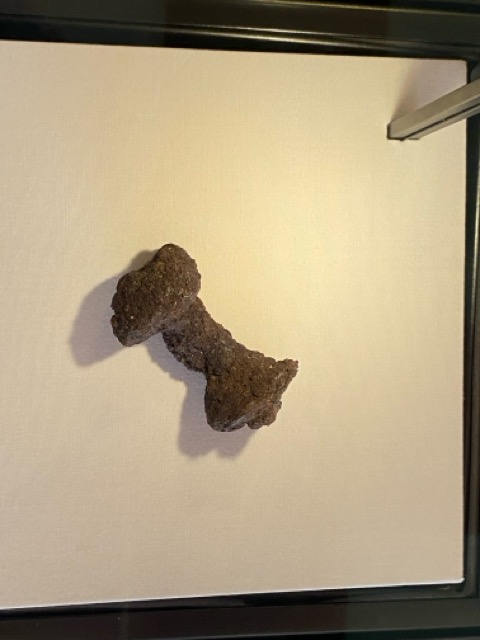
We joined the talk at 11am on the world famous Sutton Hoo helmet. In the beginning what was found was 100 small pieces of metal of different kinds that made something unknown. They would then have to be pieced together. By some research using the emblems on the pieces of warriors and dancing men they figured out it could be a helmet – and by the position next to the head where the body had been. The body had disintegrated in the phosphorus soil.
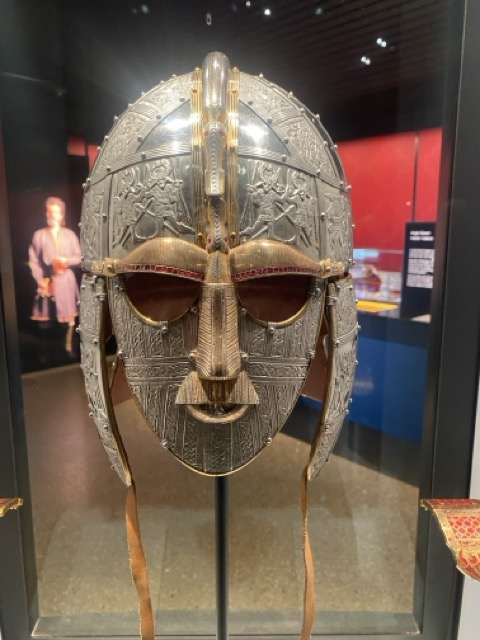
The pieces of silver and gold had survived but any iron pieces were badly corroded.
The first construction in 1951 was close but there seemed to be some problems with it. It wasn’t until the 1970s when someone else had a go using an extra piece that had been left out that the current version of the replica helmet came into being.
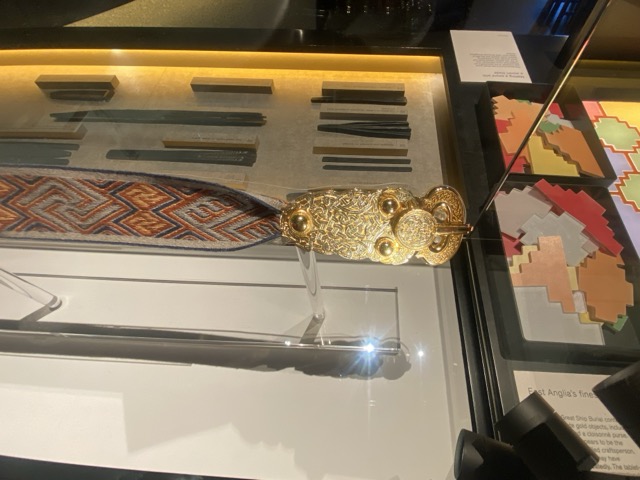
The additional items found were shoulder epaulettes and a belt case.

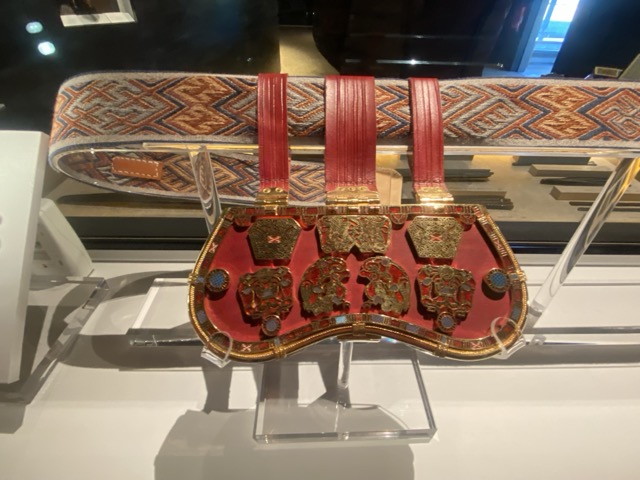
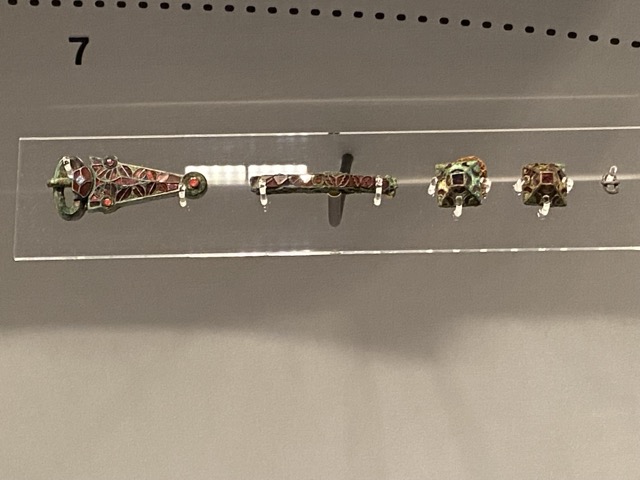
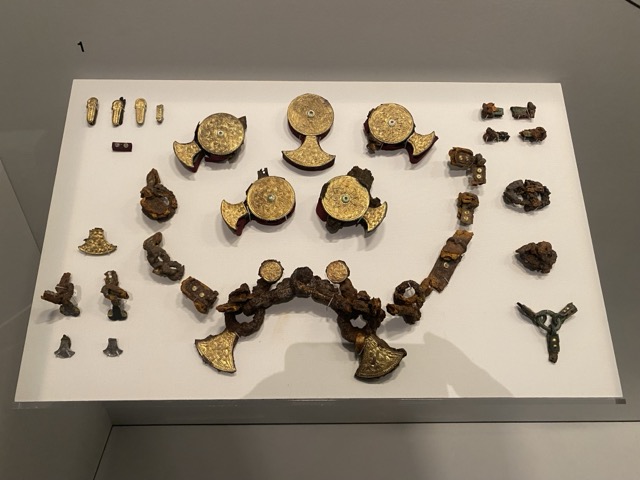
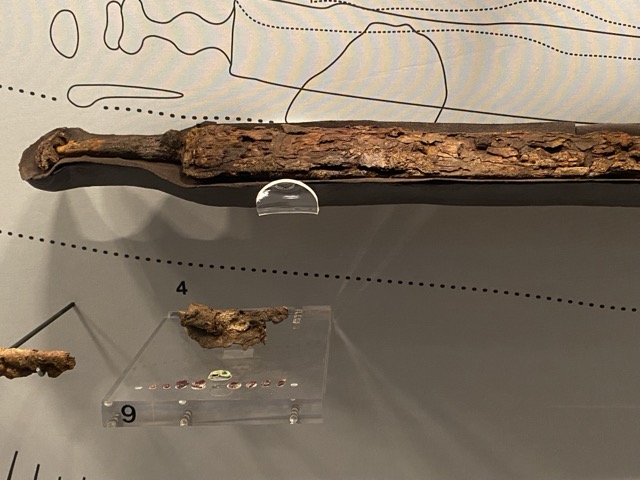
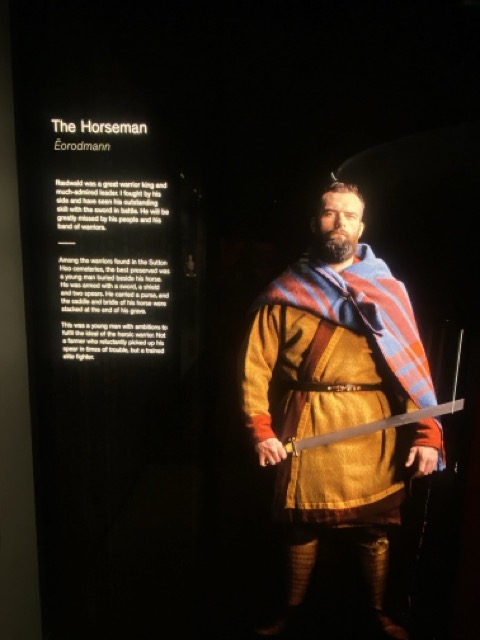
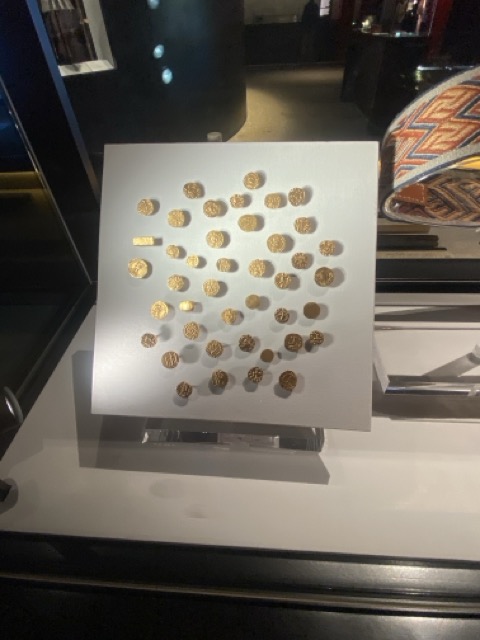
We also saw the original items found with a young warrior aged about 25 and his horse. His sword was worn on the left side indicating he was left handed.
We then walked out to the burial mounds where we were on the 12pm tour. We got to stand in amongst the mounds and heard their history. This was the graveyard of the kings and queens. The people were Anglo Saxon and their heritage was from Denmark and the top of Germany. Hence their links to boats.
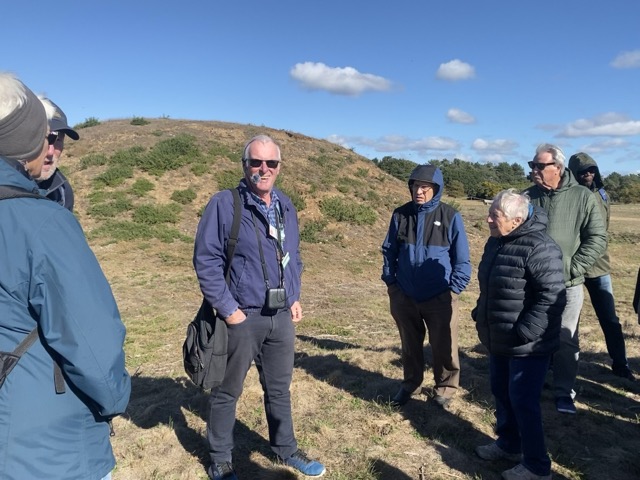
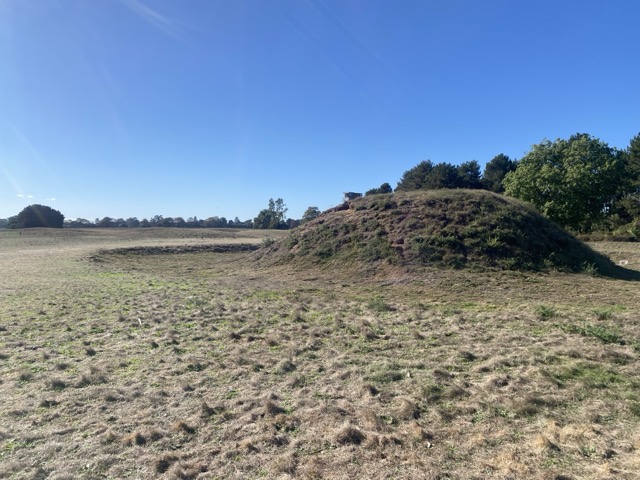
Mound 12 had been excavated recently but it was found to have been robbed out probably in Henry VIII time as he provided licences to look for treasure. If anyone found anything he took a cut. It was then built up as an experiment to see how long it would take for it to go flatter.
The large mound 1 with the famous boat and helmet is now quite flat after all the digging. An attempt had been made in the past to rob it but they missed the burial chamber as it wasn’t central in the mound due to being in a boat. The original locations of the boat prow and stern in the mound are shown with metal structures.
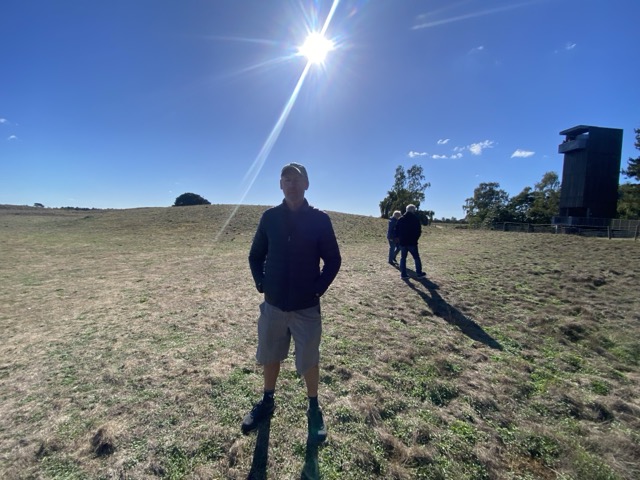
After research the king is 99% certain to be Raedwald who died in around 625. Much is from Venerable Bede’s writings, a monk in Northumbria. He died in 735 so is a credible source around this time.
Another mound was where the horseman and his horse were buried. This was excavated in the 1990s and all the finds are here at Sutton Hoo as we saw earlier.
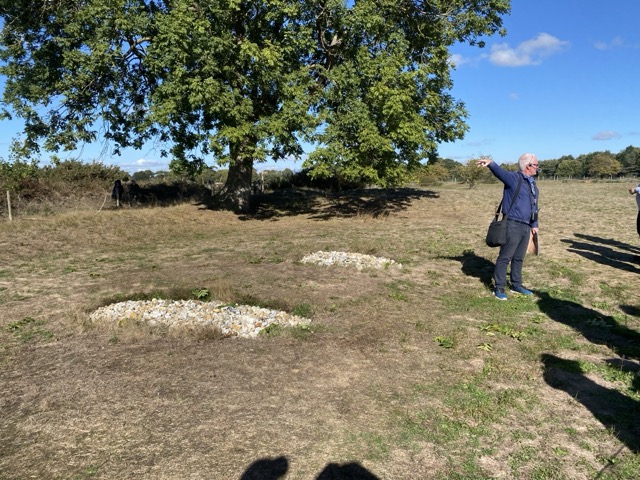
There were some more recent burials of people who had been executed here on site. They are much later and unrelated to the Anglo Saxon burials.
We went up the viewing tower to have a good view of all the mounds.

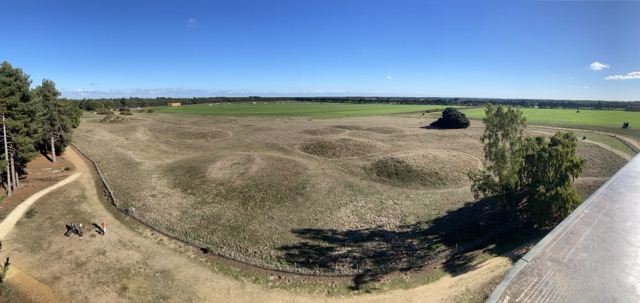
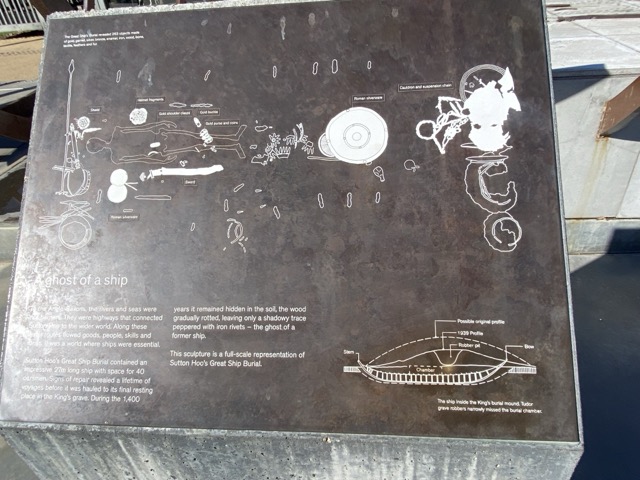
Beyond the trees lies the Deben, a river that flows past Woodbridge and enters the North Sea near Felixstowe. It provided an Anglo-Saxon highway that connected Sutton Hoo and the settlements along its route to the sea and continental Europe.
Journeys on water were the quickest and safest way to travel. The River Deben would have been busy with ships transporting people and goods to destinations both locally and further away. In the 600s, these hills were not covered by trees and anyone travelling along the river route would have seen the impressive royal mounds on the hill.
We were quite cold after standing in the chilly wind. We then went back to the van for a lunch of warming soup and tea.
After warming up and a rest we returned to the original exhibition hall to see the part on the making of the film.
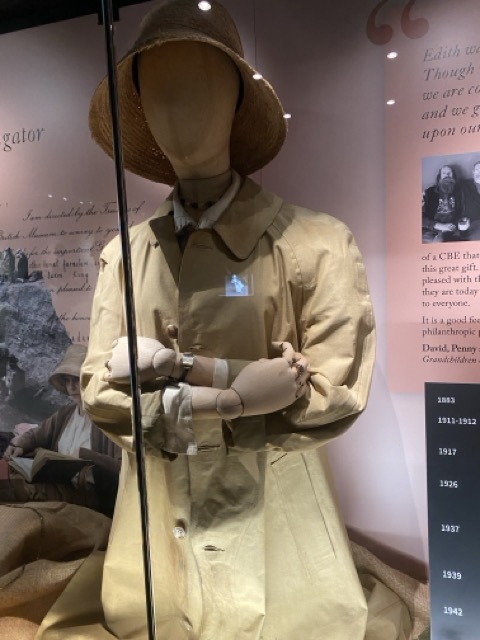
Not everything was totally accurate. There were bits added to keep the movie exciting. Peggy was a trained archeologist who knew what she was doing and she didn’t have an affair with an RAF pilot and Edith Pretty was actually older than Basil. We saw the clothes they wore during the movie.
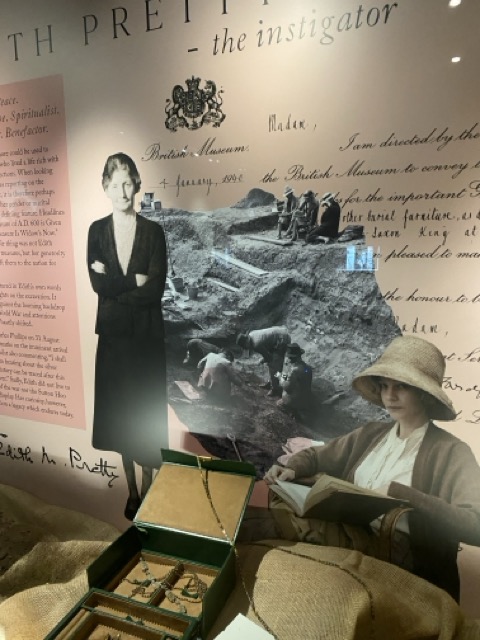
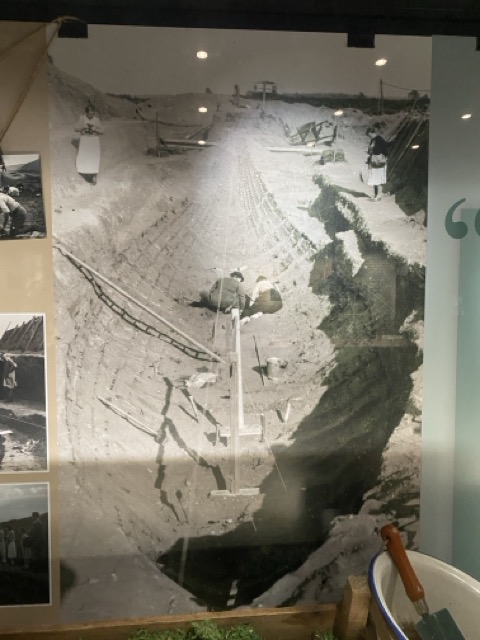
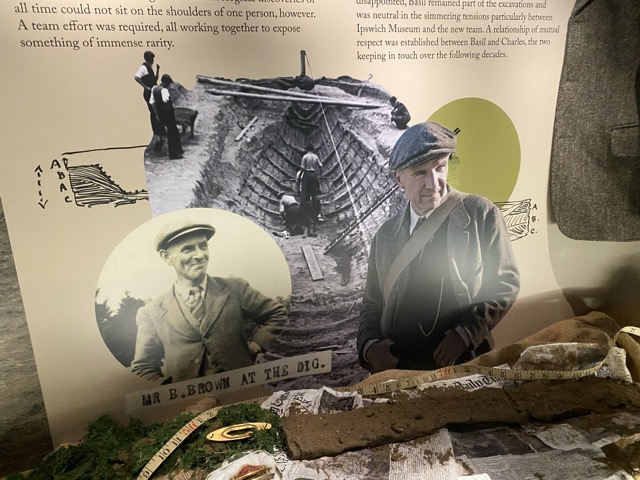
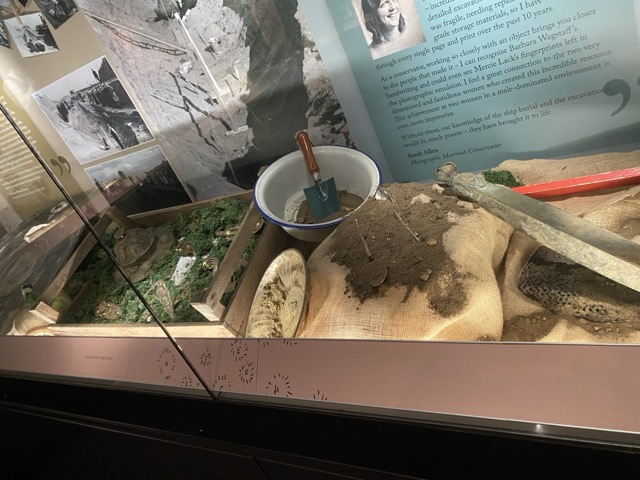
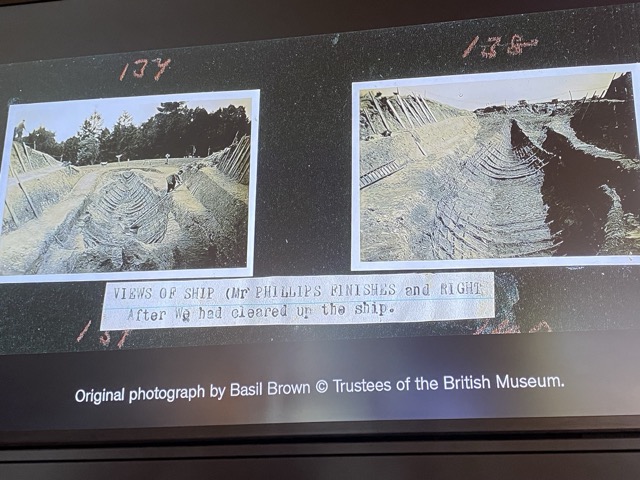
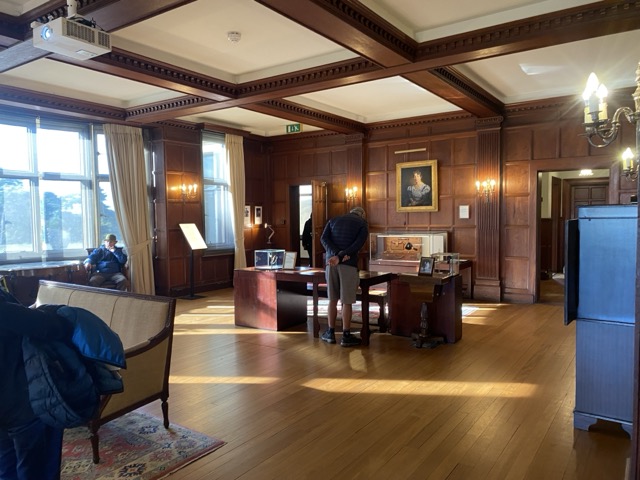
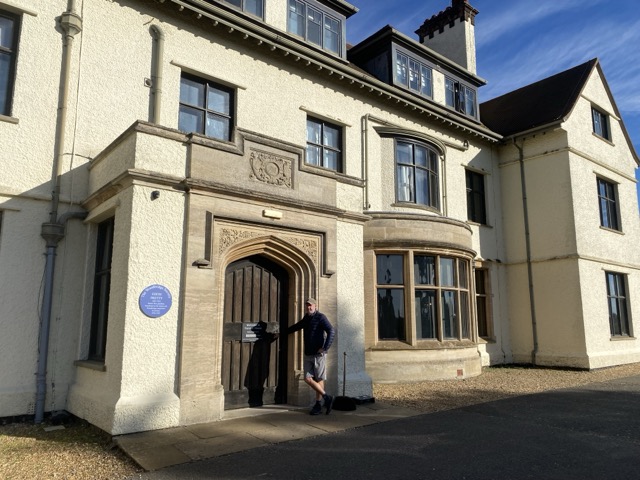
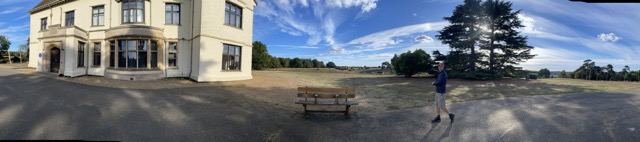
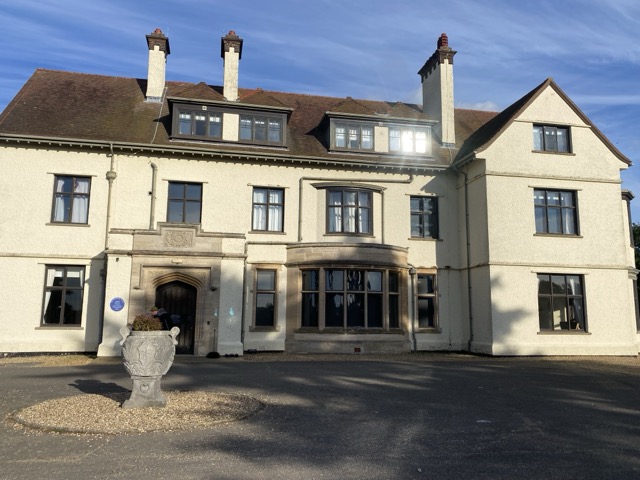
Our next stop was Tranmere House where Edith Pretty lived. There was an exhibition of the photographs taken by 2 lady photographers who happened to be in the area on holiday. They had worked taking pictures on another archaeological site for the British Museum so knew what they were doing. They therefore took some very valuable photos and videos that were useful to understand the site – and what happened in the dig.
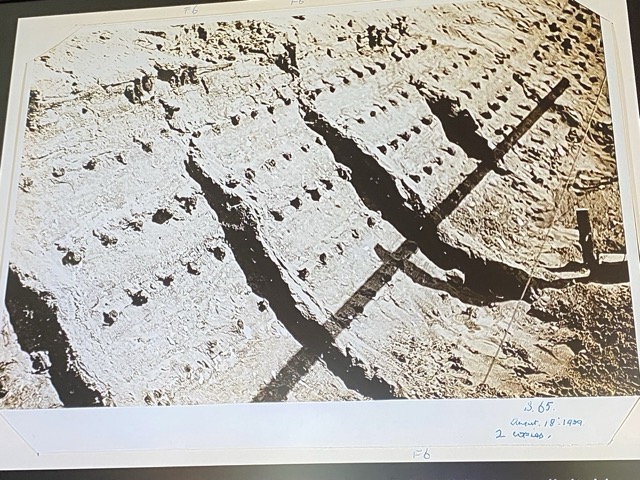

Basil also had some photos.

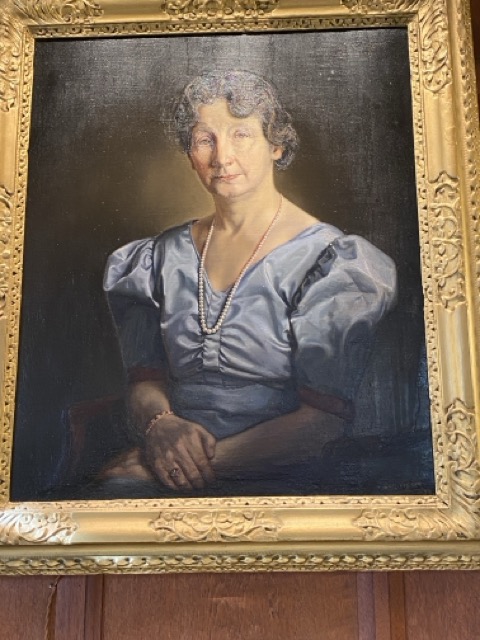
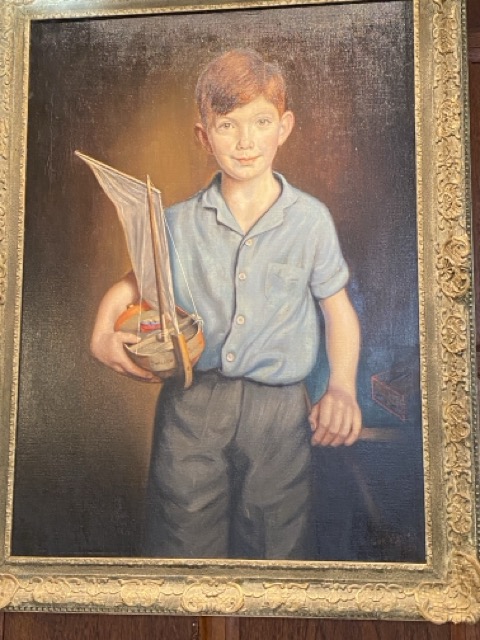
Edith had portraits of herself and her son Robert done. Roberts father had died of stomach cancer in his 50s and unfortunately Robert did too.
Other views in the house:
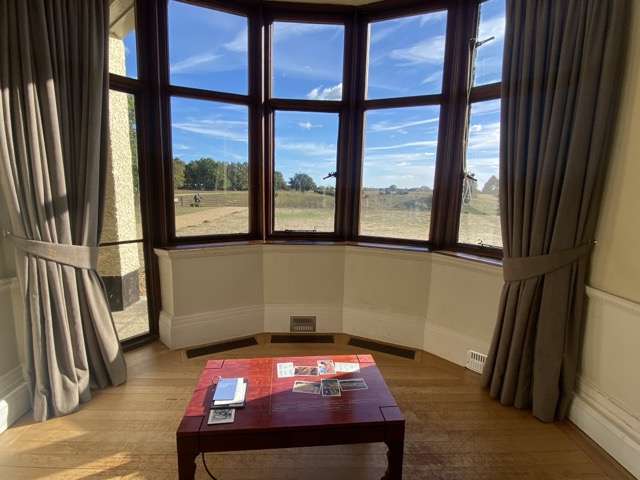
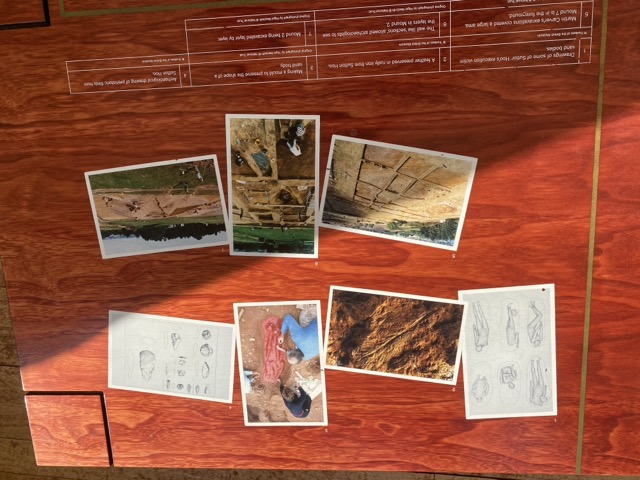

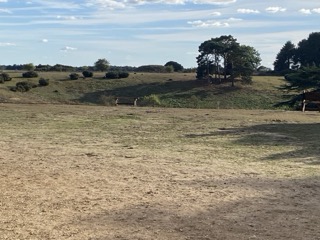
Outside the house we saw the views across to the burial mounds that Edith would have seen every day.
We then drove up the coast through little villages to near Minsmere RSPB. We found a motorhome club CL site that is allowed to have 5 vans in Eastbridge – a short distance away.
We drove through this old forest.


The campsite is next to and run by the very old pub the Eels Foot inn from 1642. Apparently it was a known smugglers spot at one time.
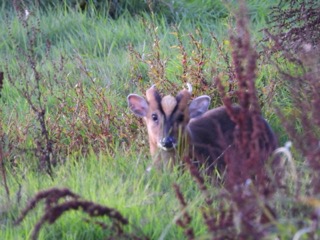
After setting up Glenn went for a walk to spot wildlife. I stayed in the van enjoying some peace and quiet – which we haven’t had much of this trip. Here is what he saw.
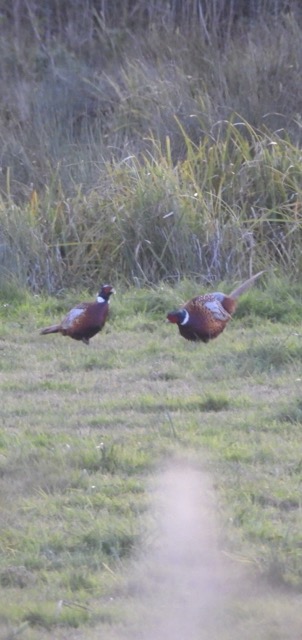
Once he returned we went into the pub for a drink and dinner. We joined another couple Glenn had met earlier out birdwatching. They have been coming here for many years as his grandfather was from here. They left to go back to their van for dinner. Our dinner in the pub was venison vindaloo and fish and chips – all very good.
After that we went back to the van and were in bed very early.
Leave a Reply