We had breakfast and drove out of the campsite to a large carpark near the centre of Colchester. It was a dull day with rain predicted.
Immediately on leaving the carpark to go to the castle was our first site of interest – Bodolph’s Priory. It’s in ruins now but it would have been impressive in 1177 when it had just been built.
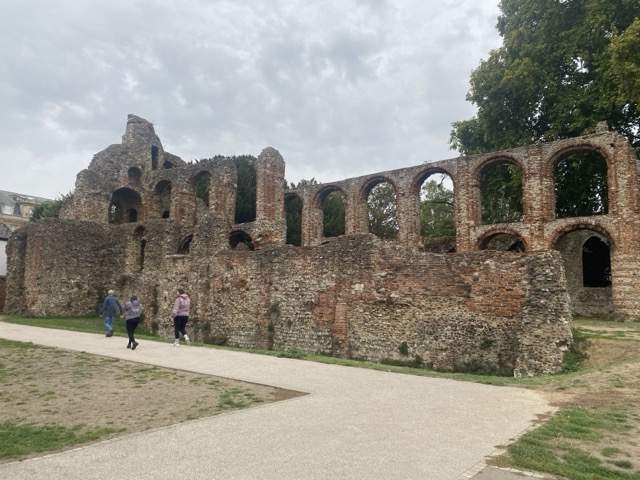
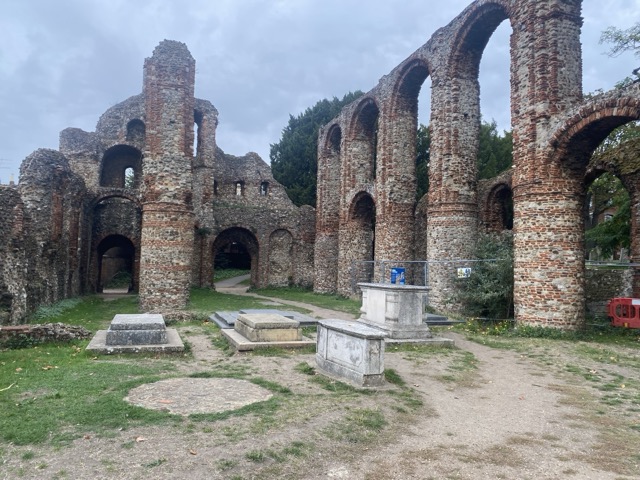
There were some more modern burials and an intriguing entry to Dr Nunn’s crypt. I found out he was Dr. Roger Nunn M.D. (died 1844): The first surgeon at the Essex County Hospital and twice Mayor of Colchester (in 1834 and 1842).
We then continued up the High Street to Colchester Castle that was built on top of a Roman temple.

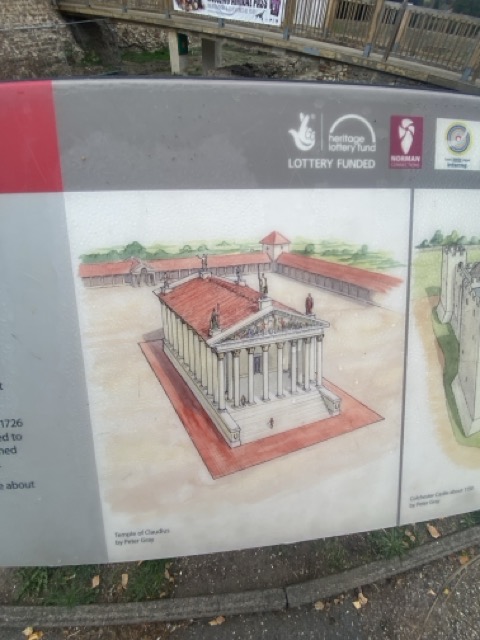
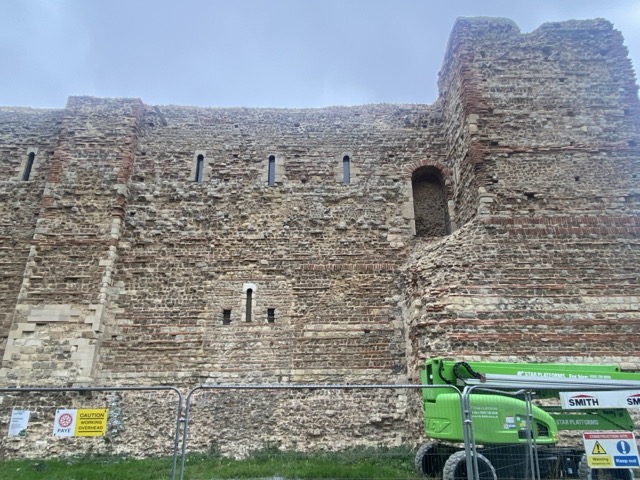
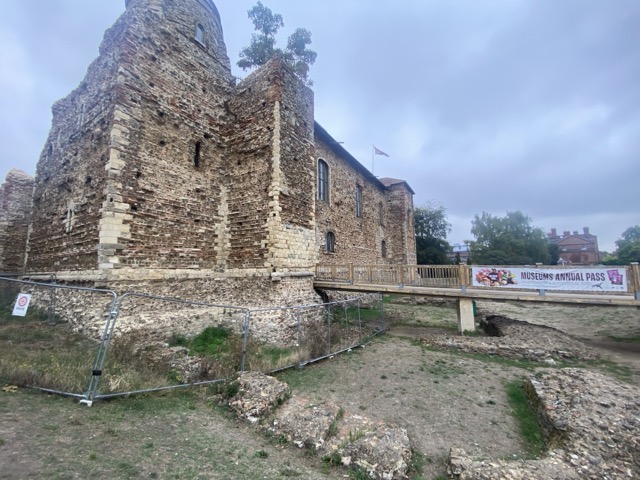
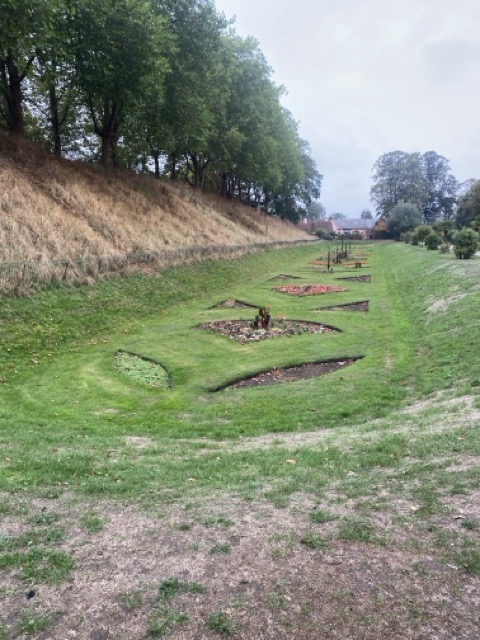
We walked round the grounds while it still wasn’t raining. We saw the garden in the moat and the old Roman wall.

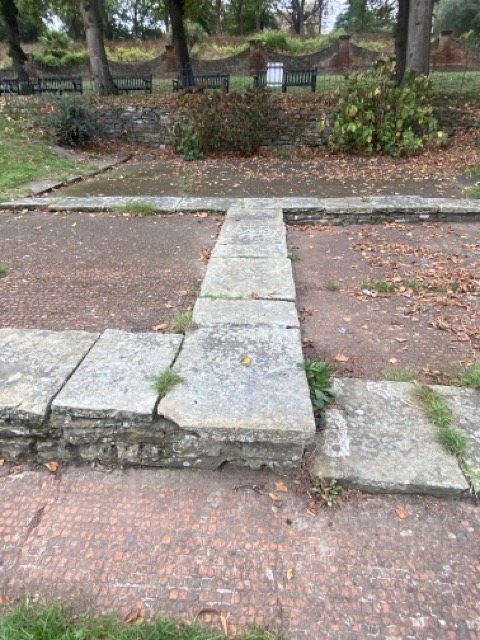
The castle was built on top of a Roman temple so there is a lot of Roman building around. We found the foundation outline of Roman townhouses.
A squirrel stood and watched us.
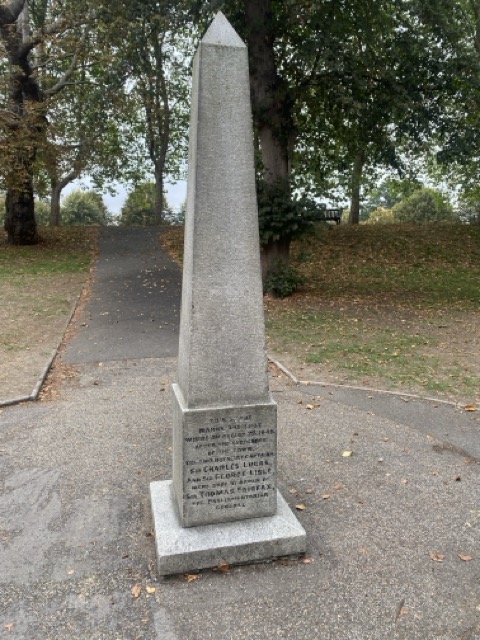
There was a memorial marking where the 2 royalists captains were executed in 1648 after the siege of Colchester ended.
We then went into the castle which is now a museum showing the history of the building and the area.
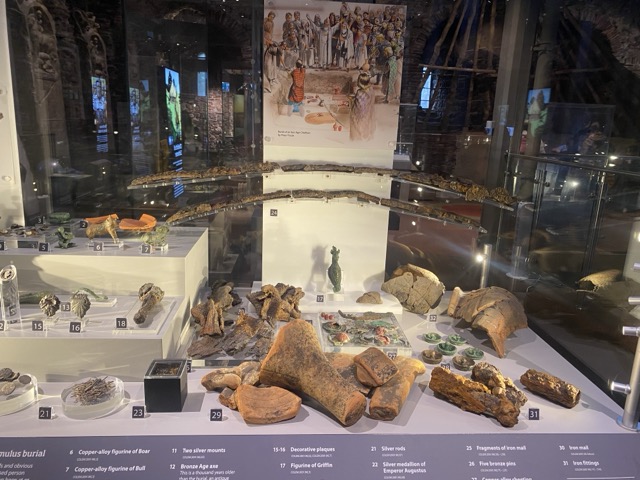
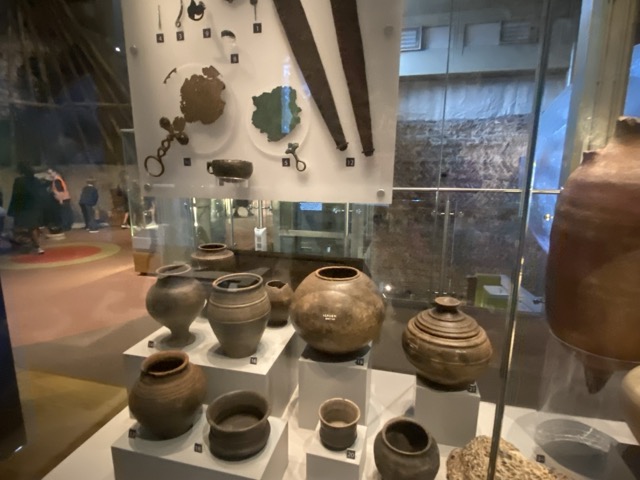
We first saw many Iron Age remains from the area including those found near last night’s campsite where we walked last night.

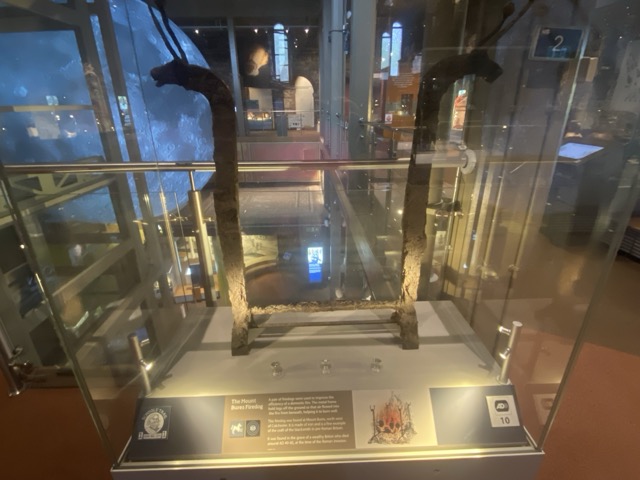

These were remains from the burial of a Iron Age chief.
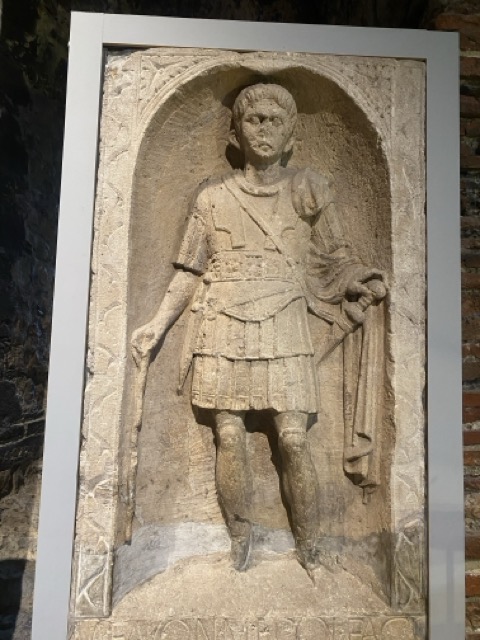
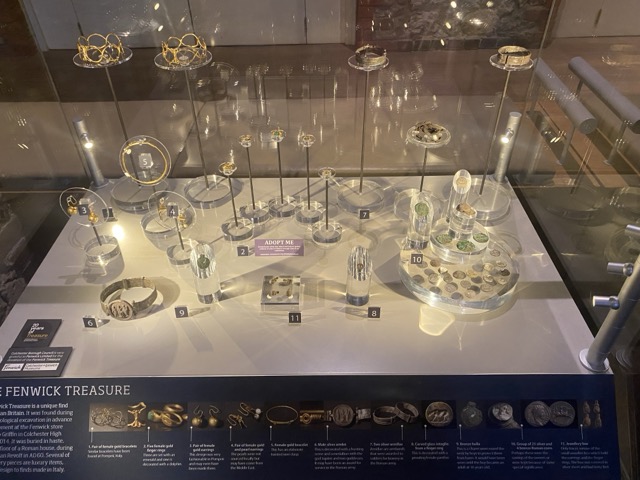
The exhibition then went onto the Romans. Colchester became a town for retired Roman soldiers and their families and the town became the Roman capital of Britain. There were many Roman artifacts.
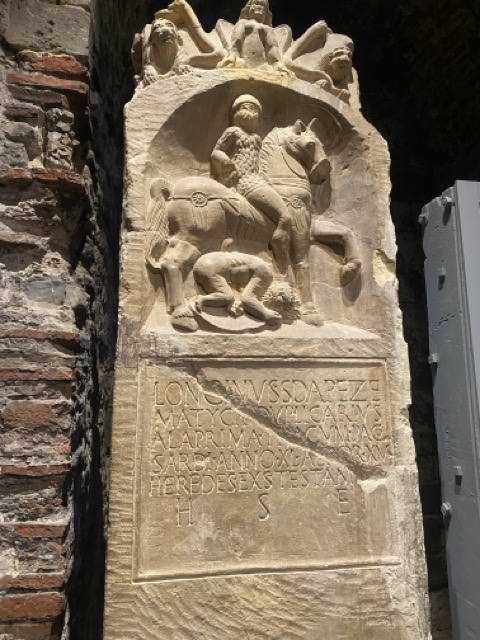
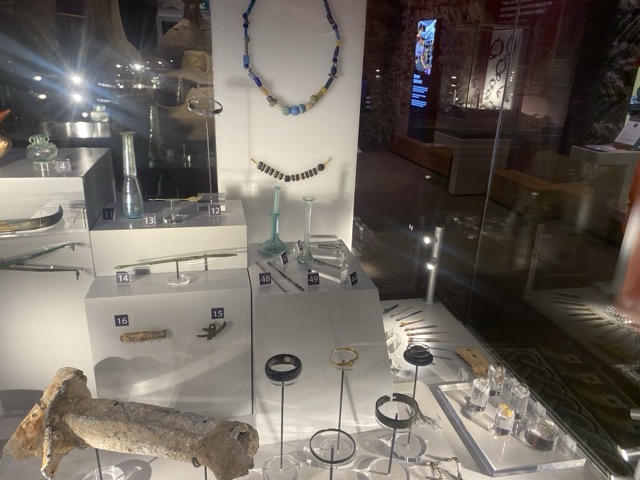
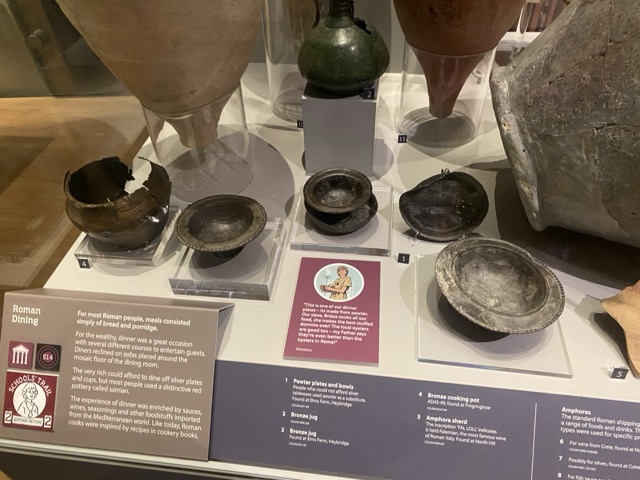
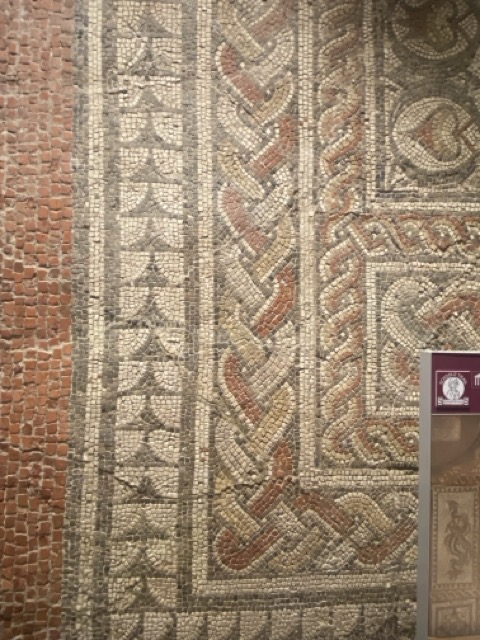
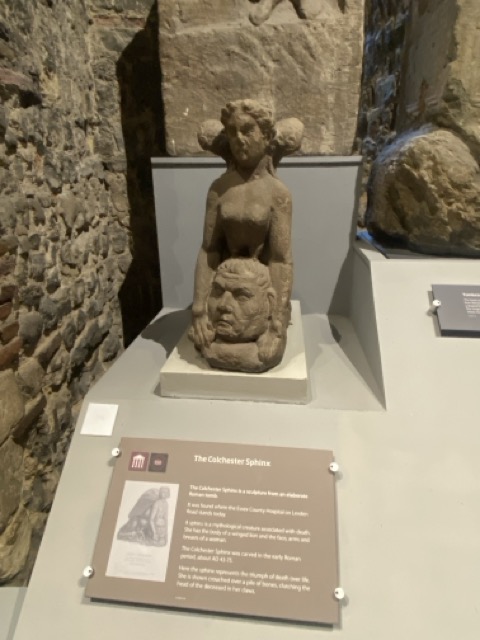
This is the famous Colchester sphinx gravemarker – it’s a bit graphic with a detached head.

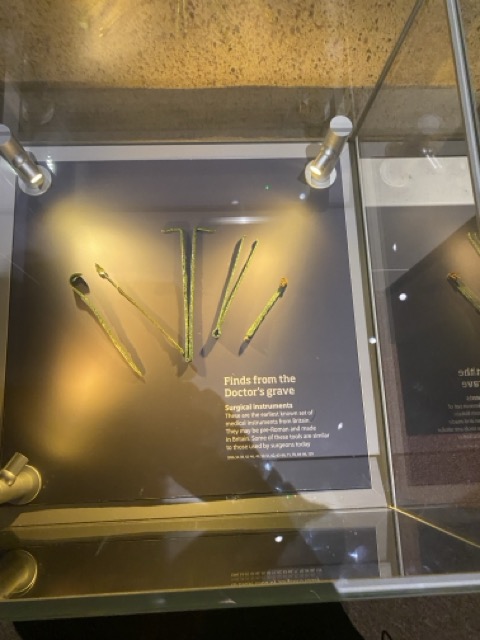
These Roman medical instruments are the earliest known in Britain. Many similar instruments are still used today.
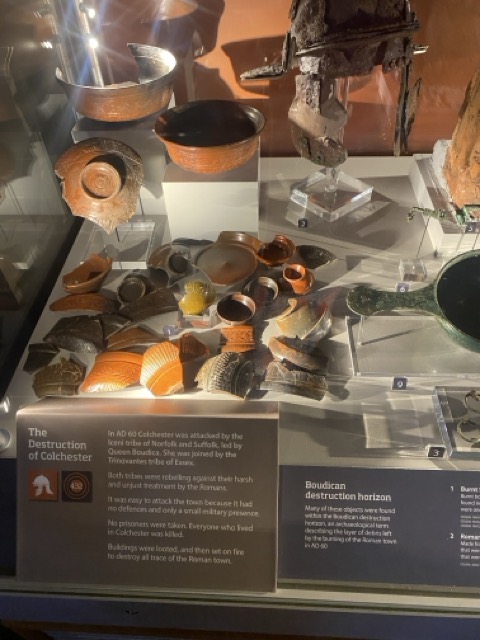
In AD 60 Boudicca and her tribe destroyed the Colchester and killed many residents leaving only ruins.
She had a good reason to do this due to severe mistreatment, broken agreements, and the seizure of her kingdom following the death of her husband, King Prasutagus of the Iceni. Roman officials had seized the royal property, stripped Iceni nobles of their estates, and treated the king’s family and people like slaves. When Boudicca protested the theft, Roman authorities publicly flogged (whipped) her and sexually assaulted her two daughters.
There is therefore a layer of destroyed buildings and items as a result.
The town was rebuilt with defensive walls but was no longer the Roman capital.
Construction of Colchester Castle began around 1076 under William the Conqueror, utilizing plundered Roman brick directly on top of the 1st-century temple site. Its massive keep is roughly 50% larger in floor area than the White Tower at the Tower of London. It survived a major three-month royal siege in 1216 before later transitioning into a county and prisoner-of-war gaol until the 19th century.
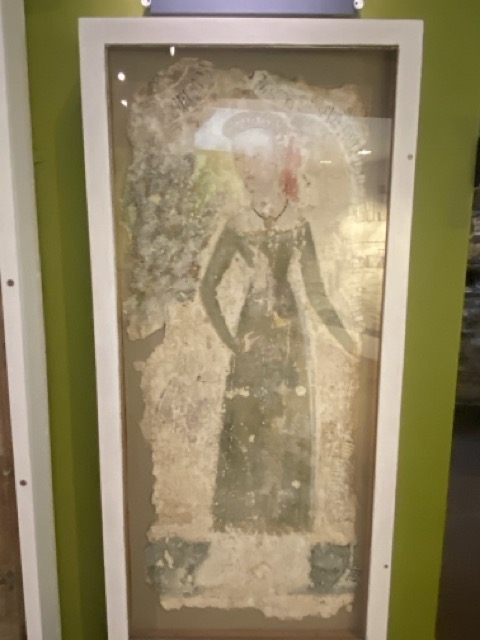
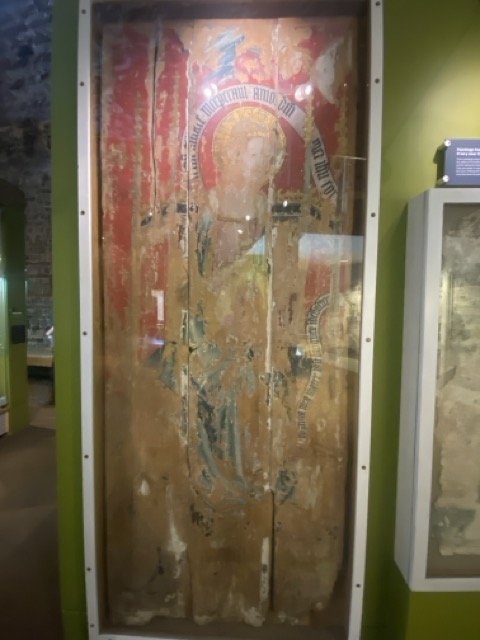
These paintings may date to 1397 when the abbot of St Osyth’s was promoted and he wished to show off his new status.
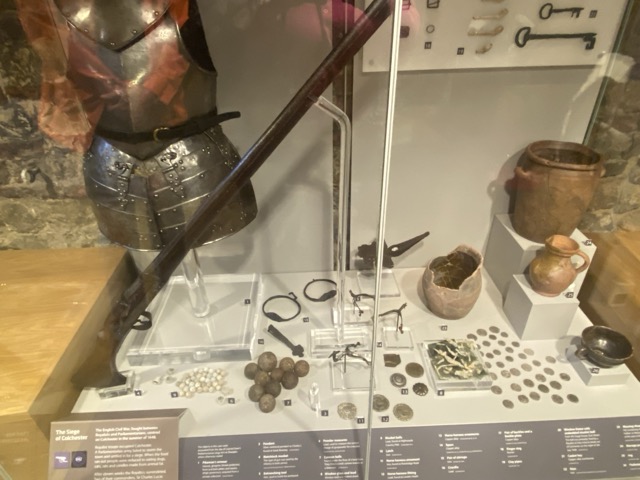
The English Civil War, fought between Royalists and Parliamentarians, centred on Colchester in the summer of 1648. Royalist troops occupied Colchester. A Parliamentarian army failed to storm the town and settled in for a siege. When the food ran out people were reduced to eating dogs, cats, rats and candles made from animal fat. After eleven weeks the Royalists surrendered. Two of their commanders, Sir Charles Lucas and Sir George Lisle, were executed by firing squad outside the Castle. Scars of the siege can still be seen on some buildings in the town.
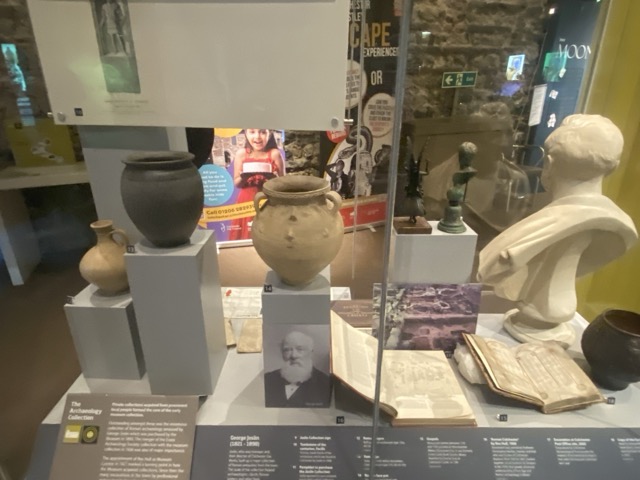
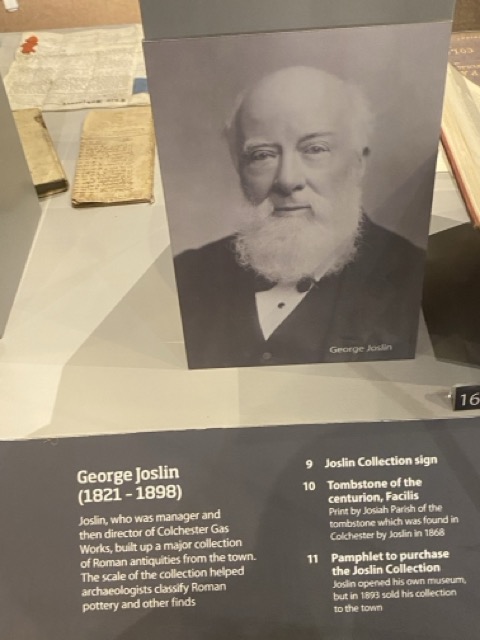
A town of industrialist George Joslin collected a large amount of Roman antiquities.
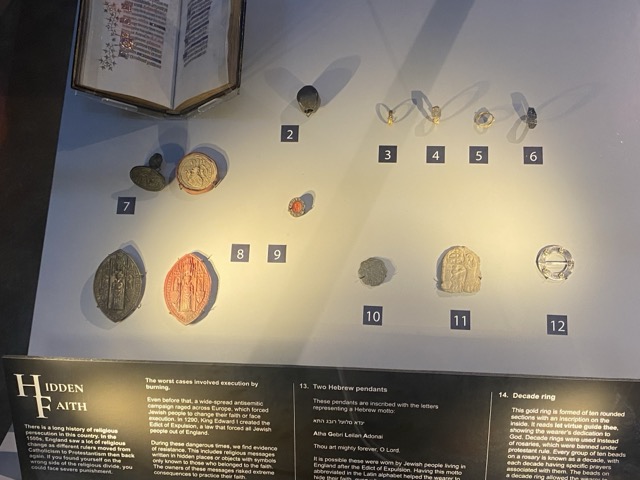

We then left the castle and went for a walk around the town to see the rest of the Roman buildings. Unfortunately it was raining.
We first saw the small part of the Roman theatre found when rebuilding a house.
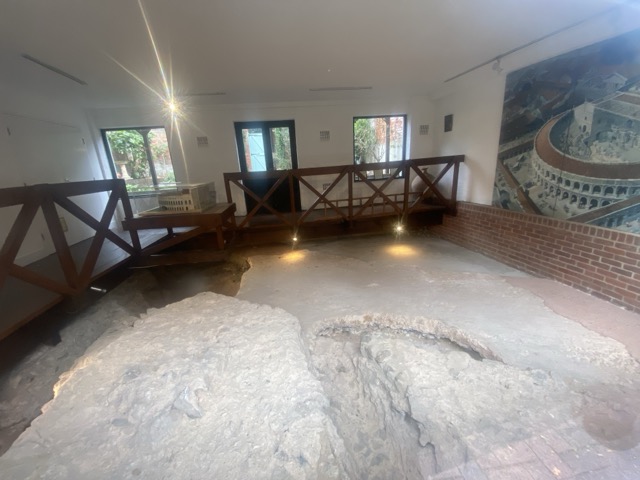
It was in this street – so it will be under many of these houses.
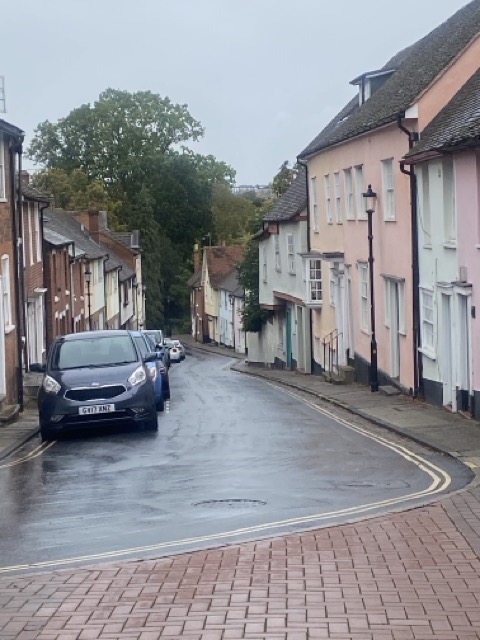
Then we saw the largest roman gateway in Britain and the large part of the remaining Roman city wall.
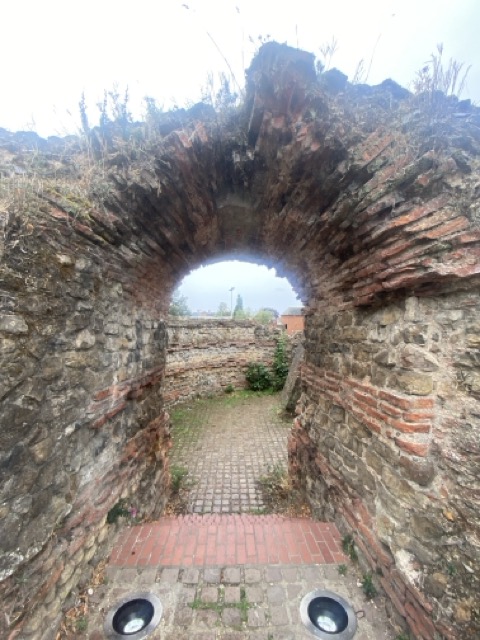
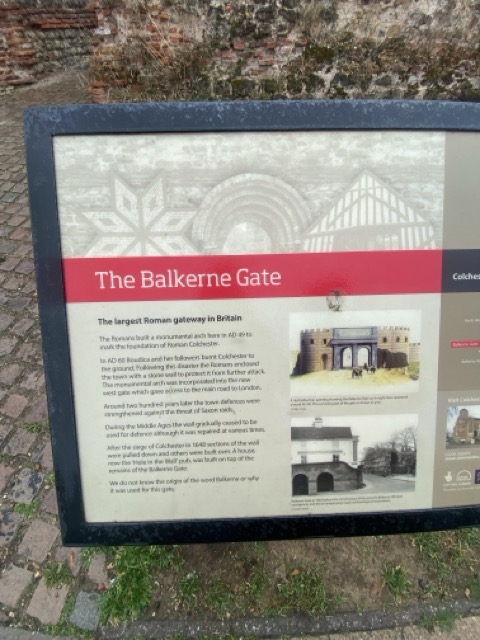

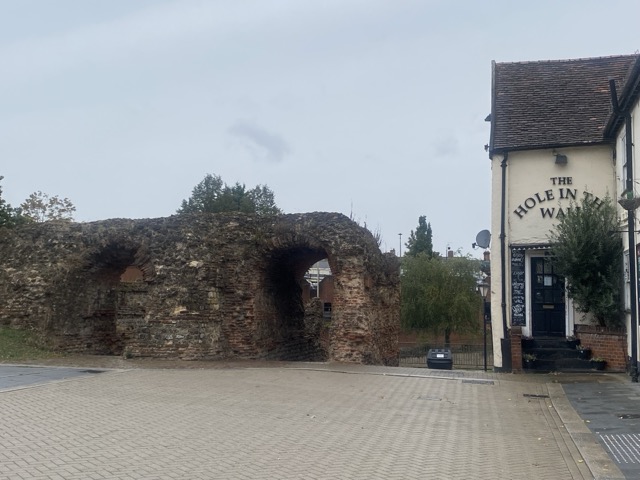
They had made a hole in the wall to build the pub called ’Hole in the Wall’.
The last thing was to see the only confirmed Roman circus in Britain where chariot racing would have happened. We were standing beside the starting blocks.
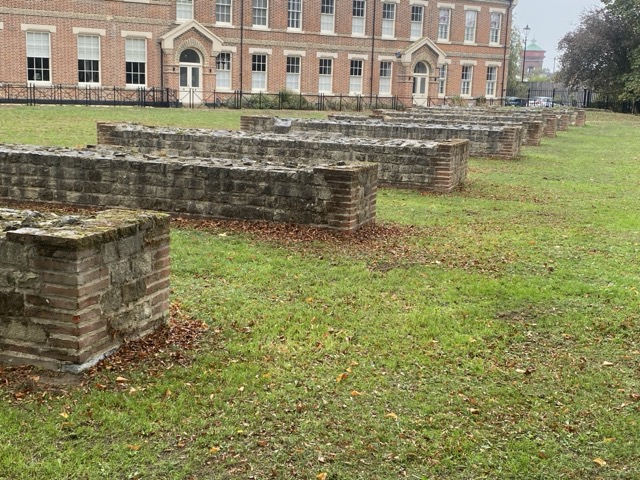
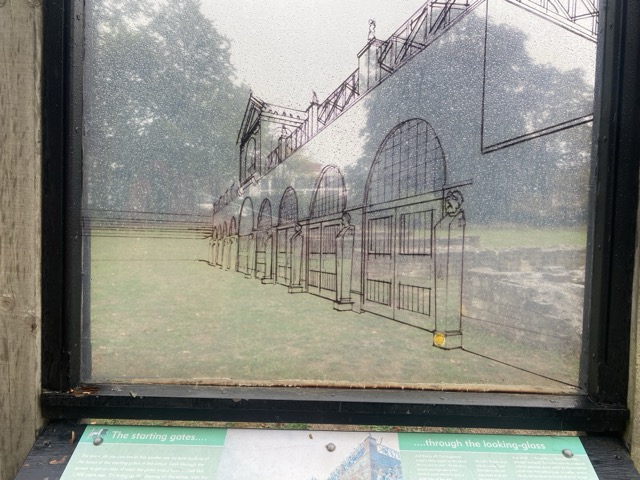
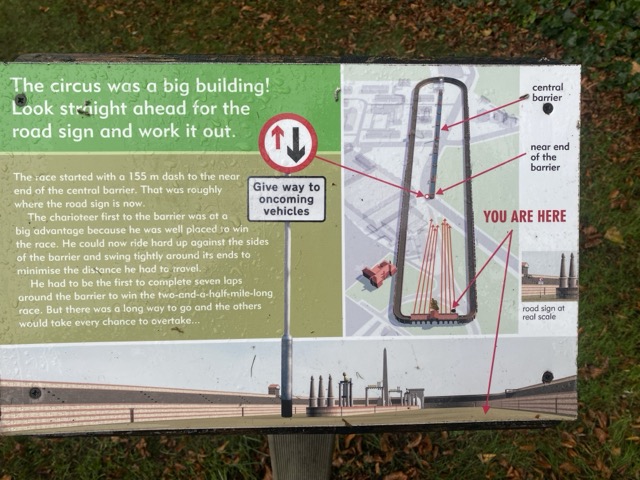
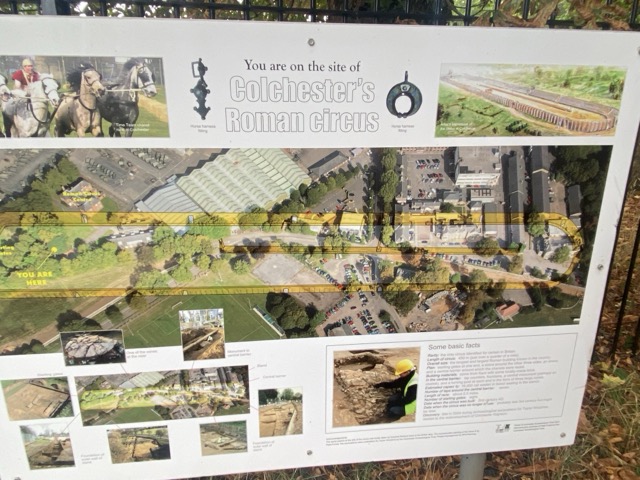
It had been raining a lot and we walked back to the van to move on.
On the way we saw this impressive gateway.

This gatehouse is the sole surviving building of the Benedictine abbey of St John founded in 1095 by the Norman baron, Eudo the Steward. Built around 1400, the gatehouse strengthened the abbey’s defences following the violence of the Peasants’ Revolt.
This building is unusual in Colchester because it is decorated in East Anglian flushwork which uses flint blocks to create patterns. This reflects the wealth and importance of the abbey.
We drove about an hour to the Sutton Hoo campsite which is part of a farm. We didn’t see anyone around so we parked up in one of the pitches. I sent an email saying we were here. We soon received a knock on the door by the owner saying they were really closed as they had just reseeded the site. However since we were already there she let us stay. She just had to clean the disabled bathroom for us . The water was off in the other toilets.
We did see another van later so we weren’t the only ones there. But if you don’t put up a closed sign no one is going to know!
To warm us up after a miserable day we had soup and toast to start our dinner followed by sausages, zucchini and baked beans.
We then watched the movie ‘The Dig’ about how the landowner Edith Pretty paid a local self trained archeologist Basil Brown to dig the burial mounds when others were unwilling to help. That would help us tomorrow!
Leave a Reply