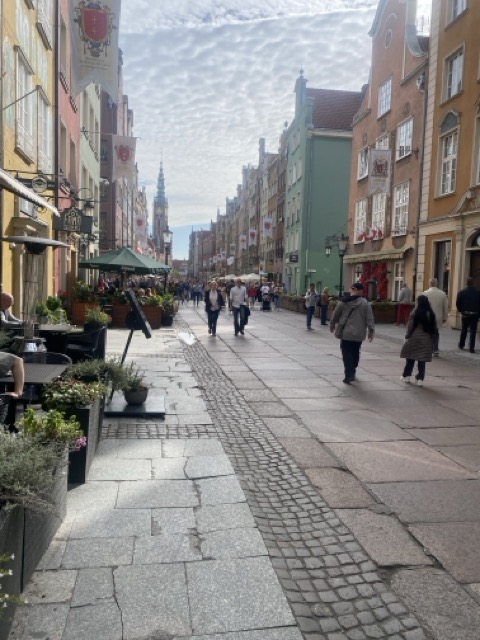
We caught the free bus into the middle of Gdansk and went down the Main Street of Ulica Dluga.
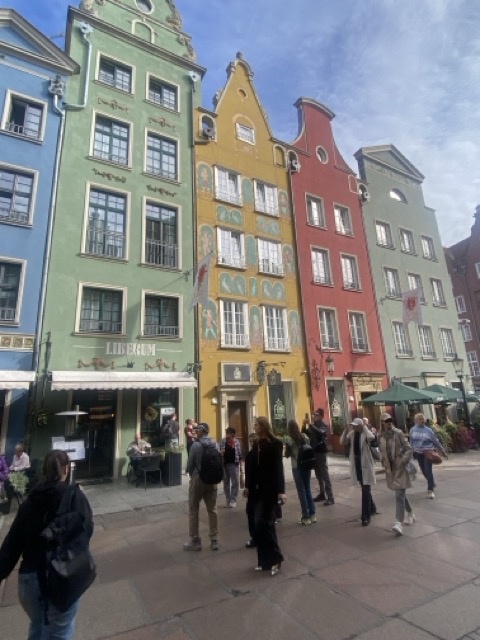
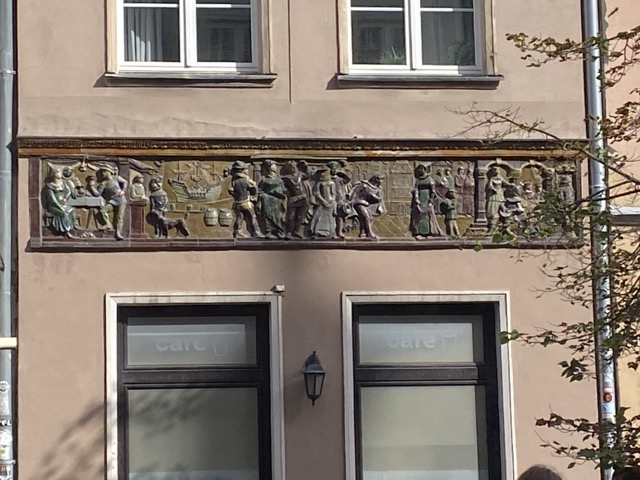
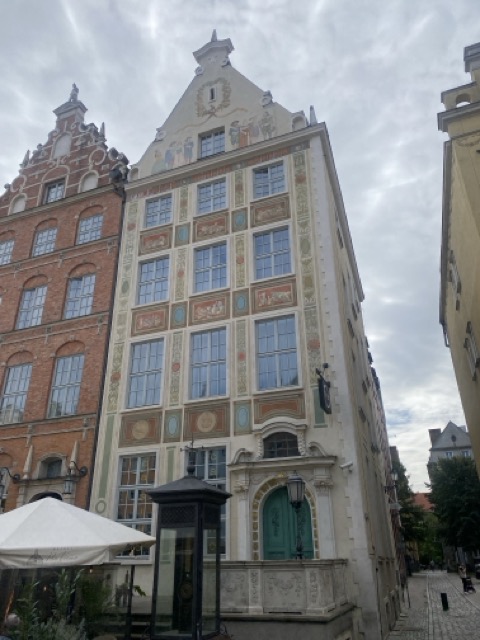
We found two medieval gates at the top of the street and then got through to the decorated houses behind.
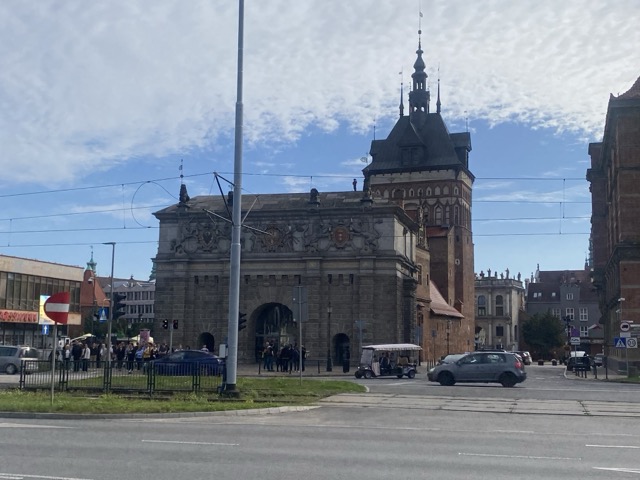
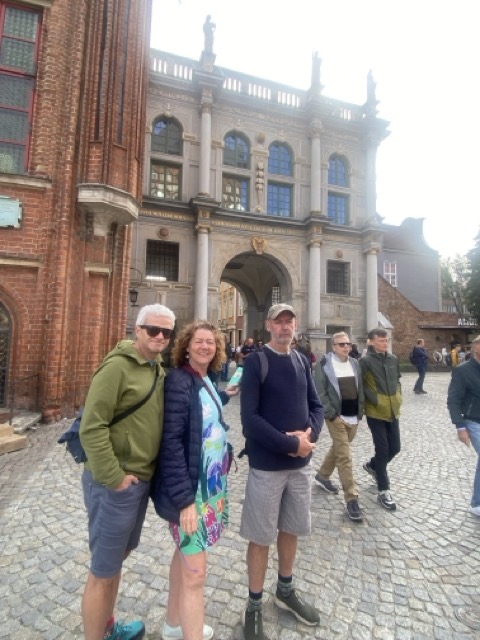
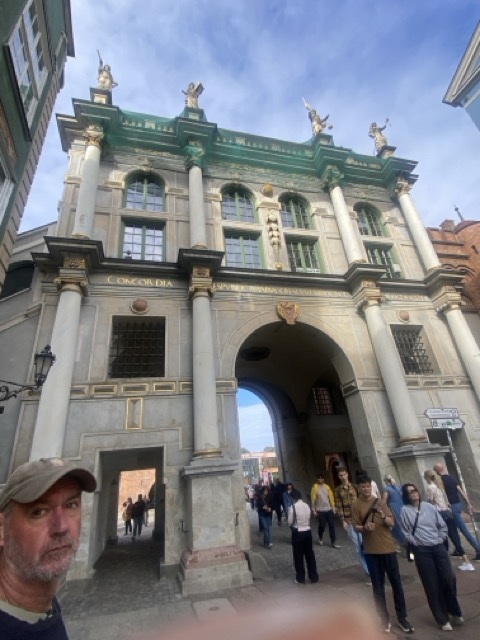
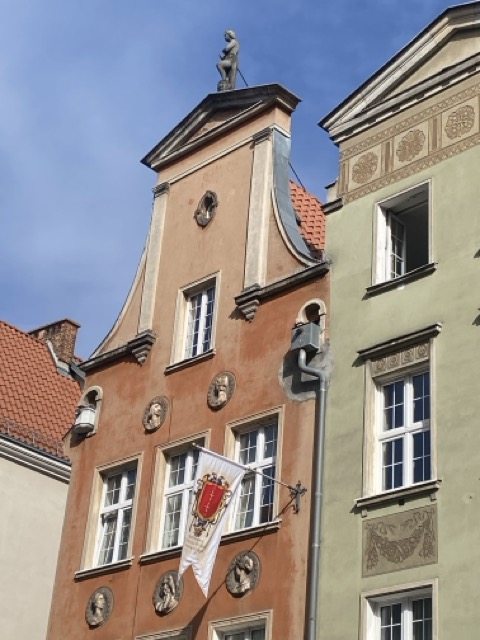
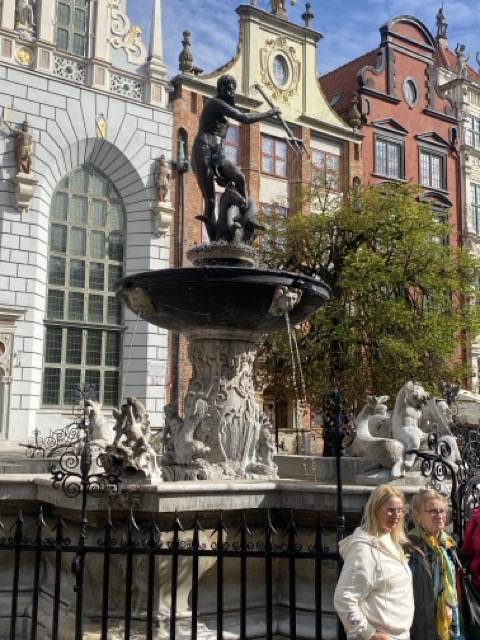
Due to Gdansk being a major port in the 1700s there were many rich Dutch merchants who brought their architectural styles with them.
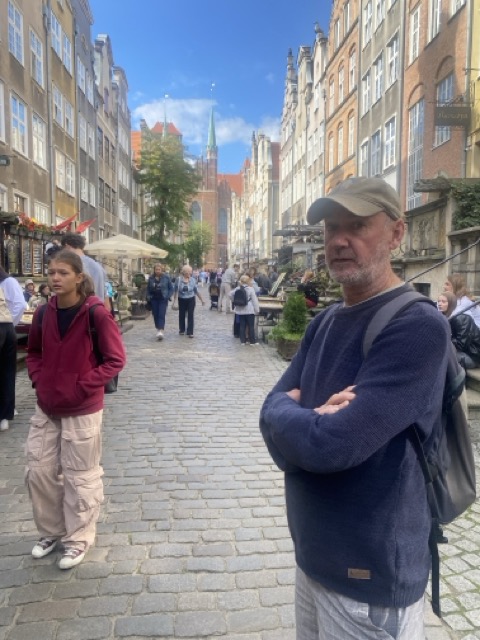
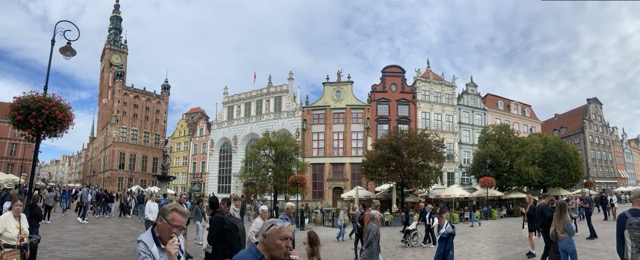
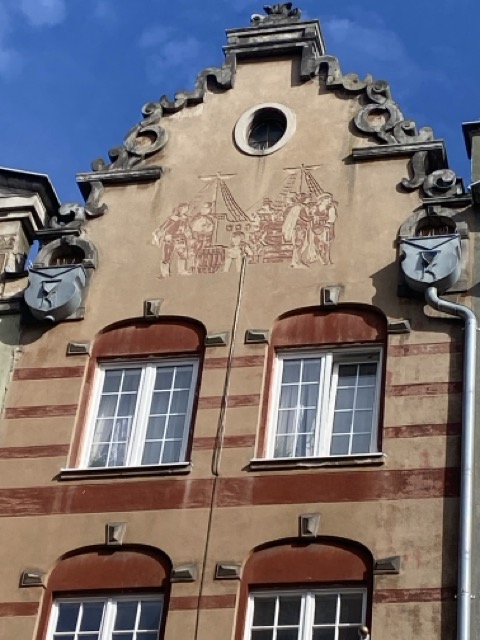
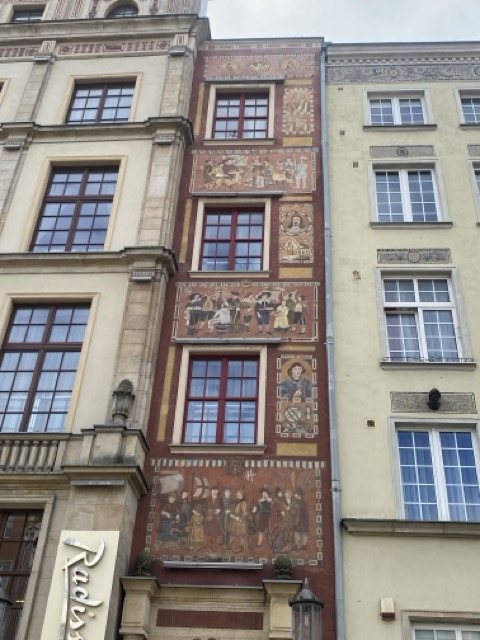
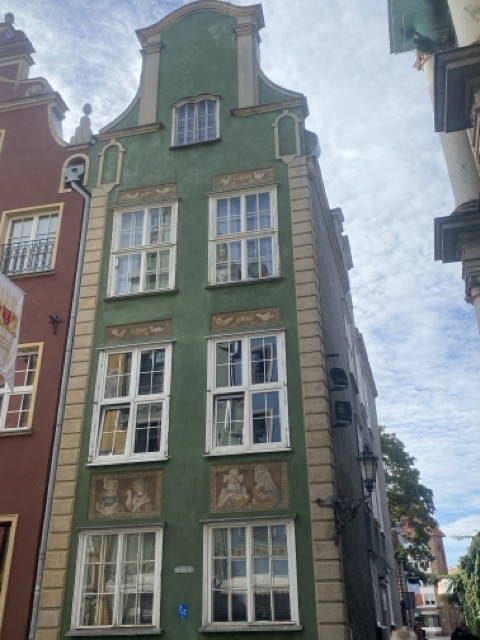
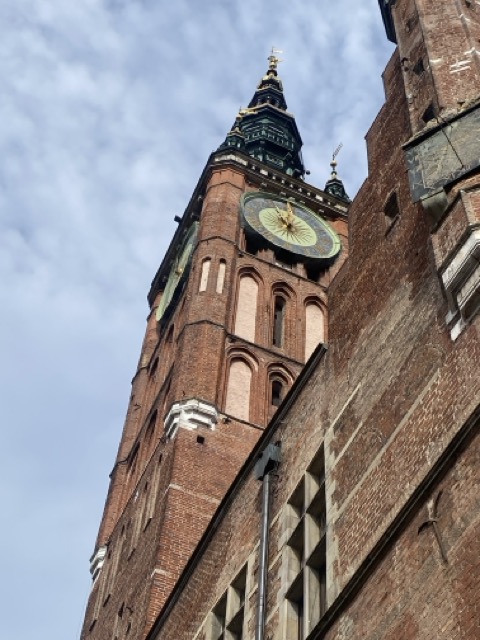
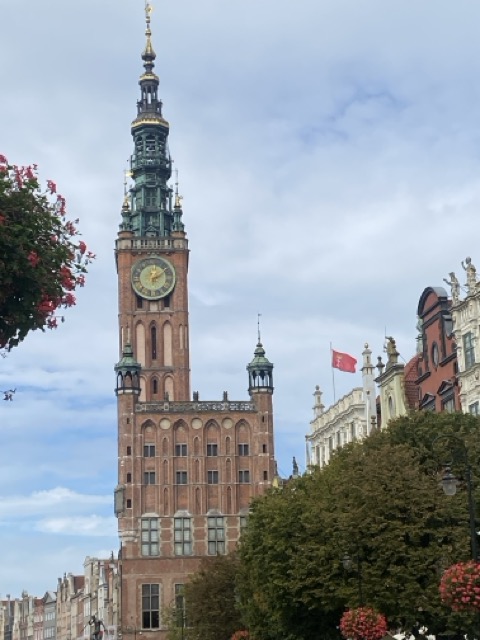
We found the large impressive town hall with old clock in the middle of the street.
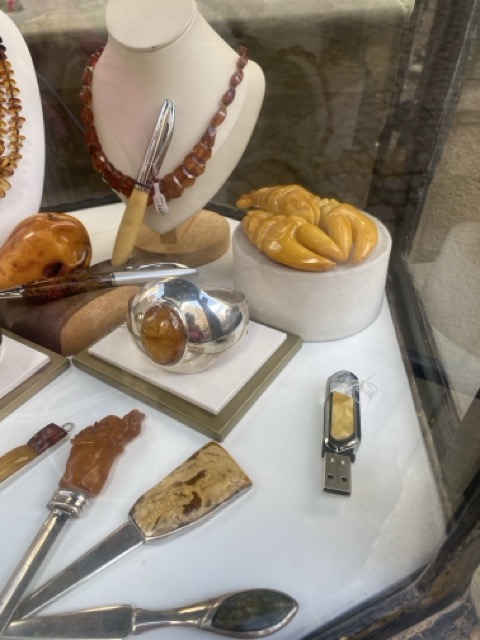
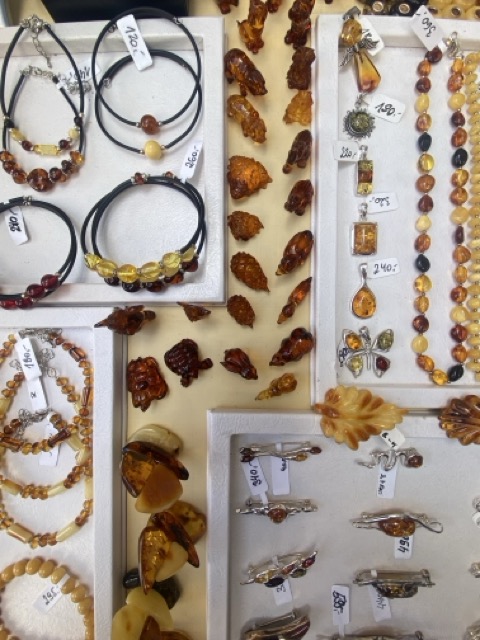
There were many Amber shops as Gdansk is the centre of amber – it washes up on the Baltic coast here.
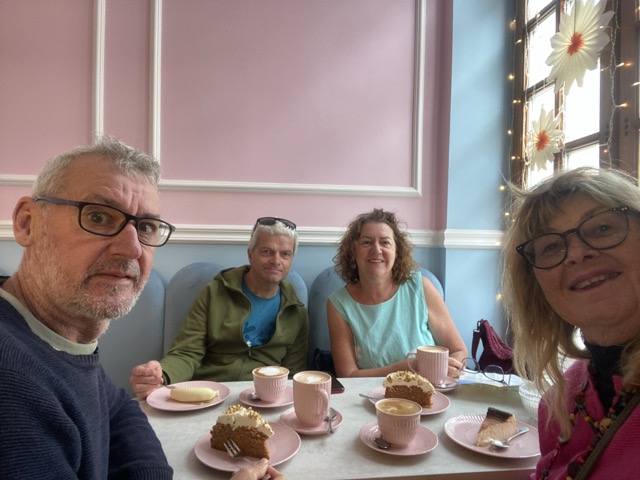
We stopped for our now traditional coffee and cake in a nice quiet cafe in side street. We really enjoyed the good coffee and interesting cakes.
We continued down the long square to the Green gate – which isn’t green. The square was sometimes used for high profile executions.
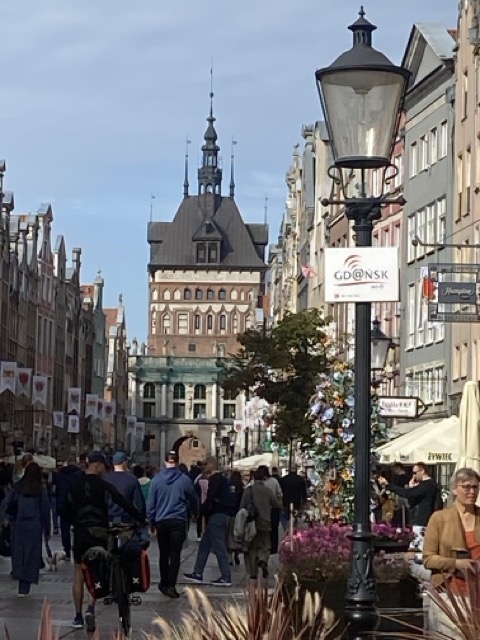
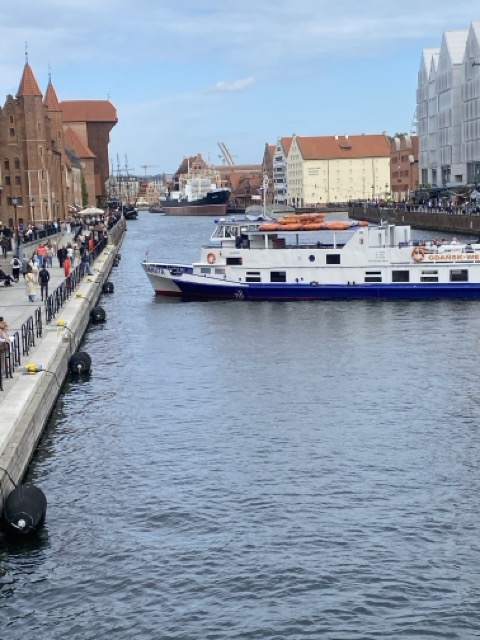
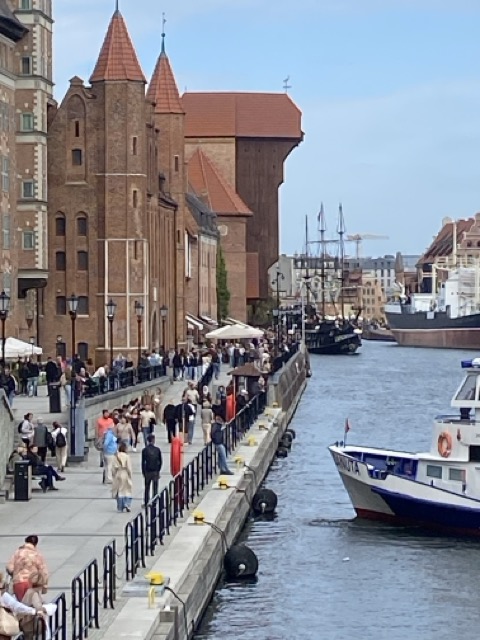
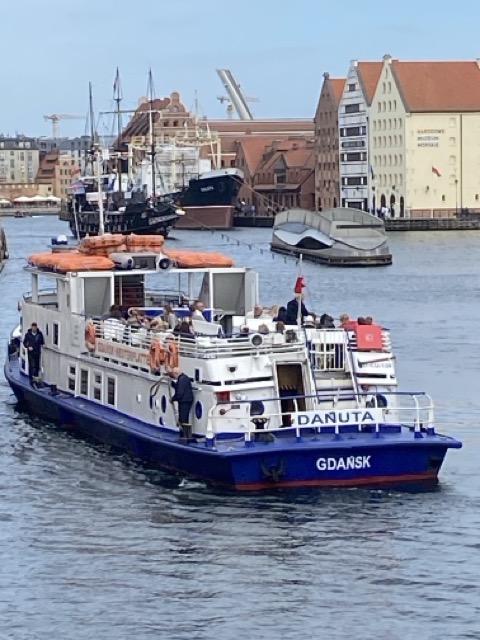
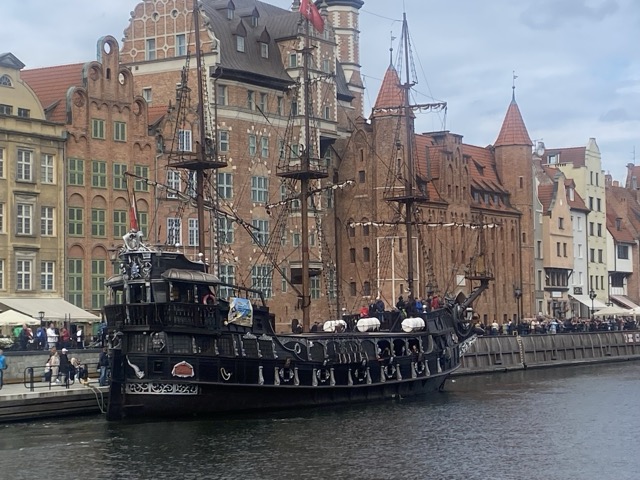
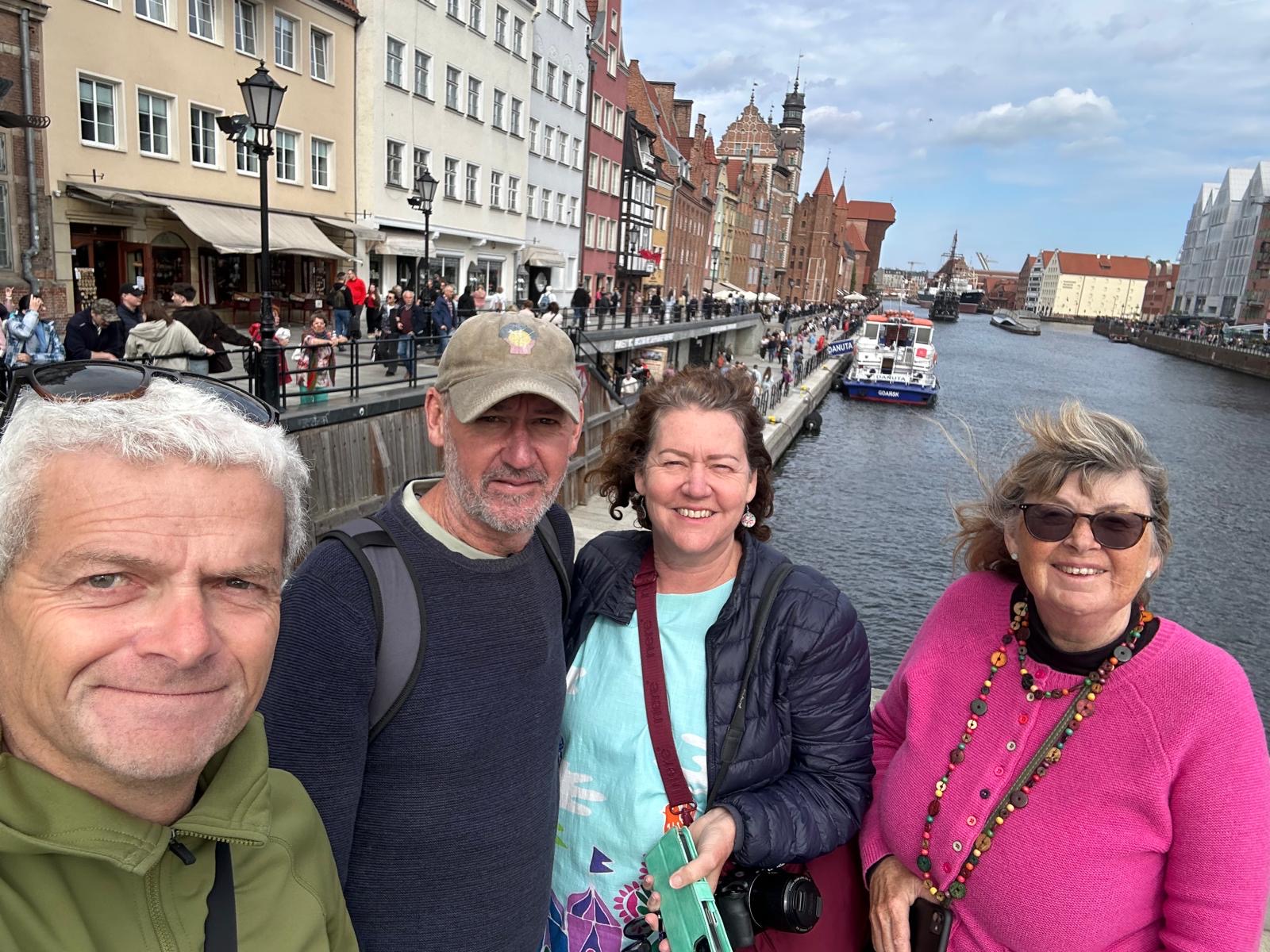
We then went through the Green gate onto the river. Many boats were moving up and down the river and turning around as the swing bridge was open.
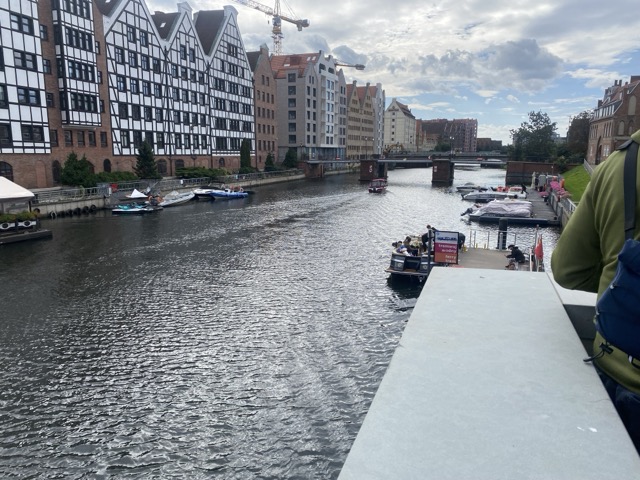
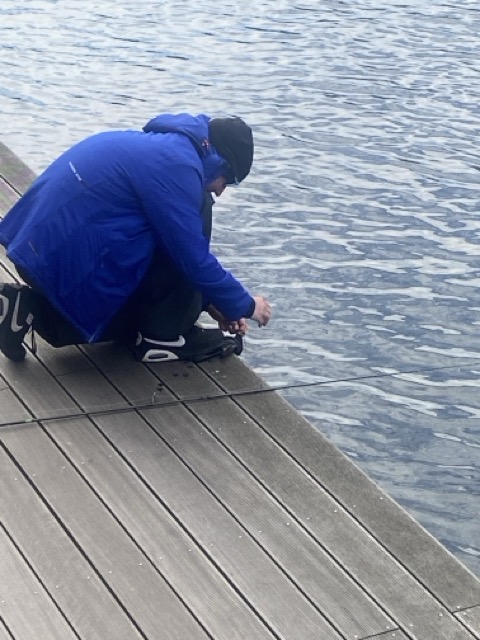
We saw a fisherman catching something – and were disappointed to find out it was a glove.
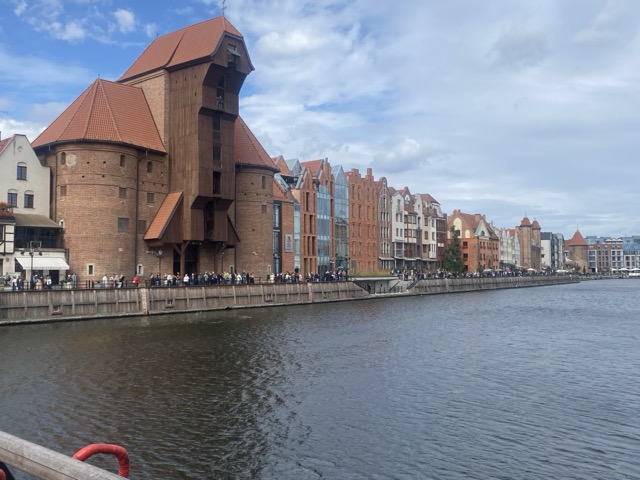
We saw the famous old Gdansk Crane from the 1400s that could lift 2 tons using men and treadmills. It was due to this Gdansk could move a lot of cargo – and made it a popular port.
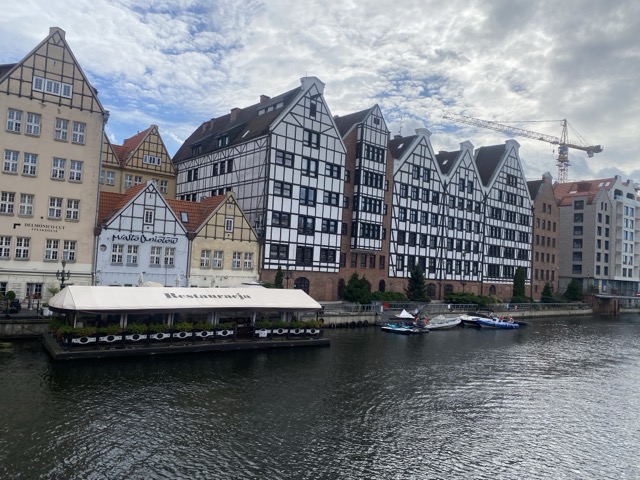
I had a chat with a previous President of Gdansk Pawel Adamowski who was responsible for a lot of development here.

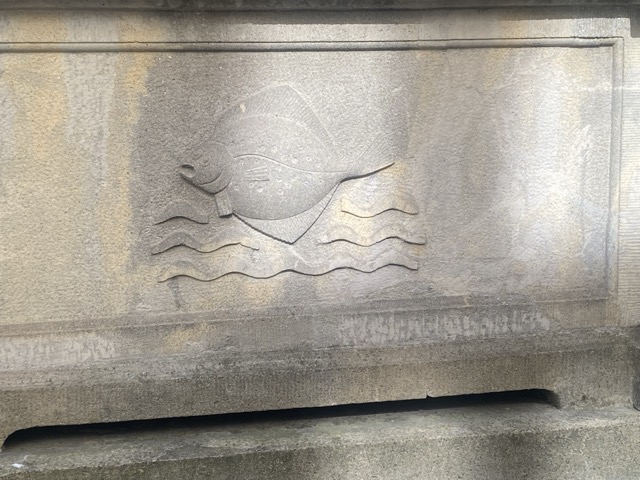
We crossed back over the river and went up into Gdansks finest street Ulica Mariacka lined with very rich merchants houses with lots of detail on them. There were lots of amber stalls here.
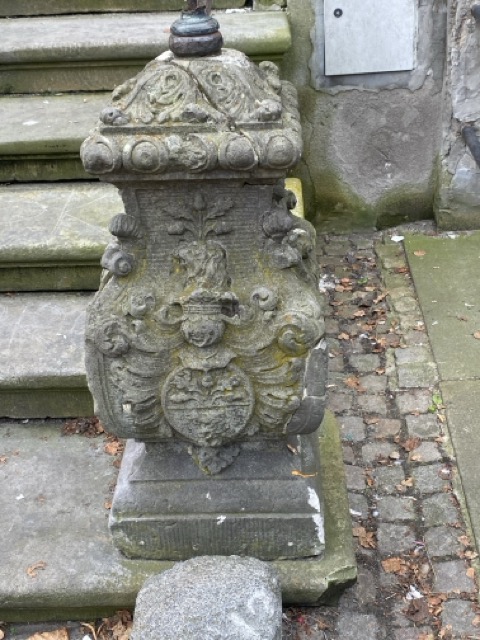
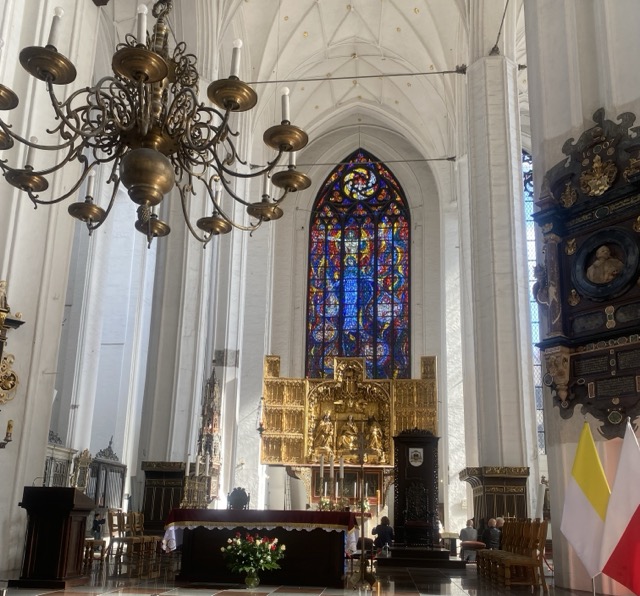
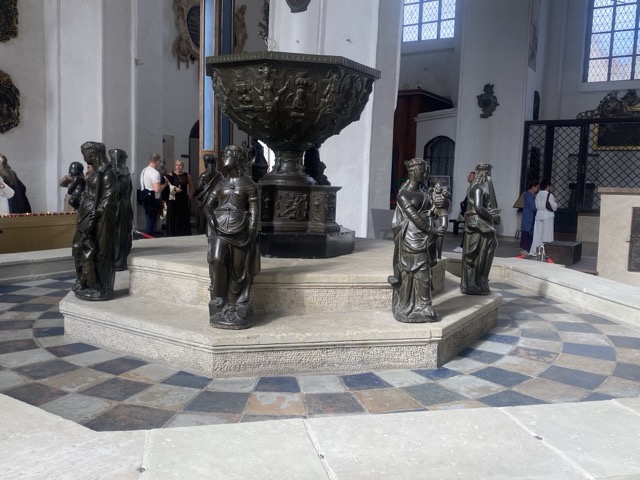
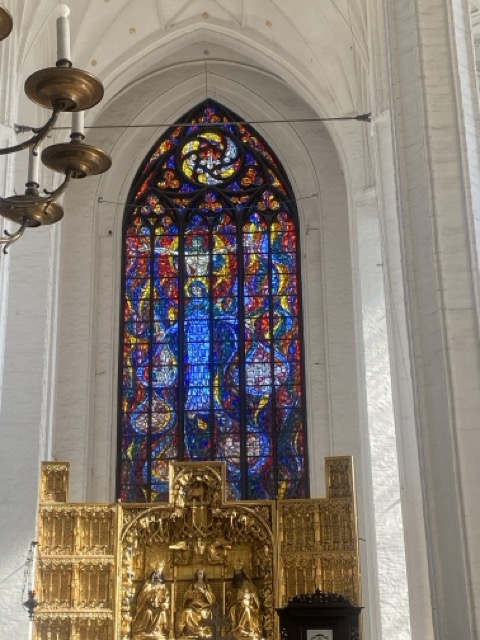
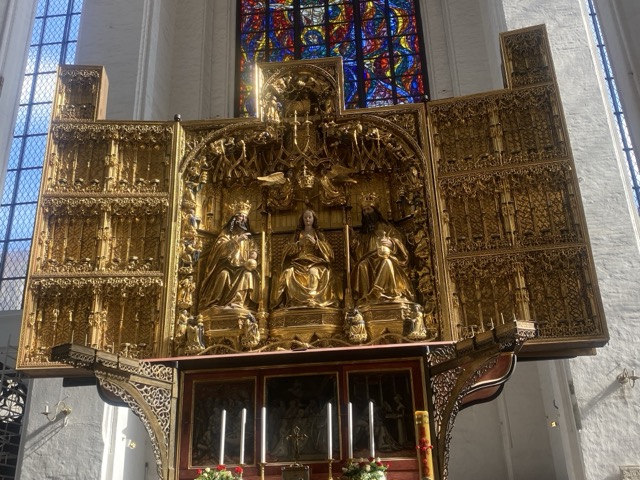
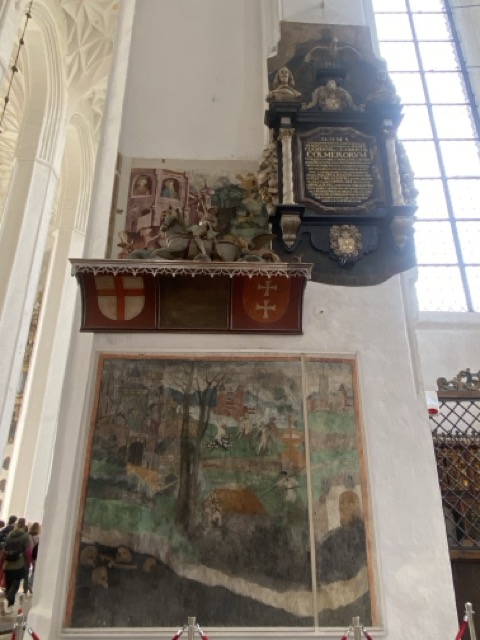
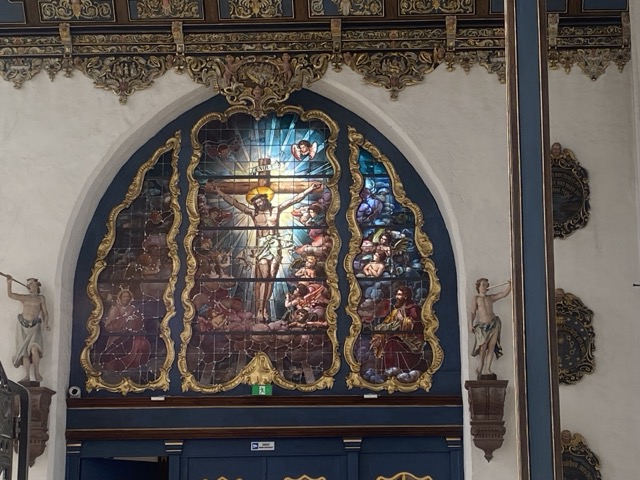
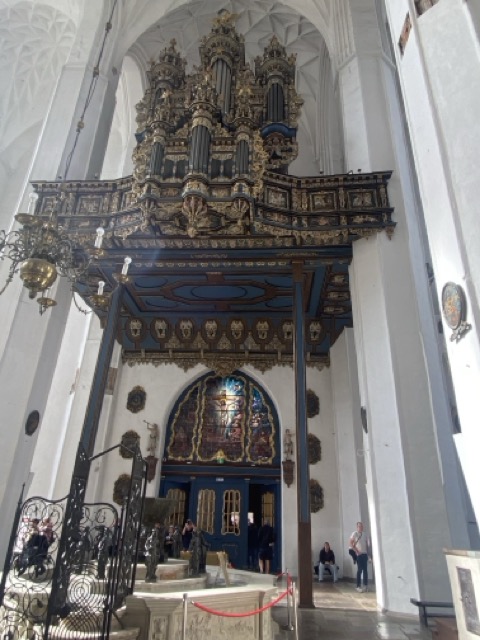
At the other end of the street is the largest medieval brick built church in Europe – the church of St Mary’s.
It had many interesting medieval features including an astronomical clock from 1470.
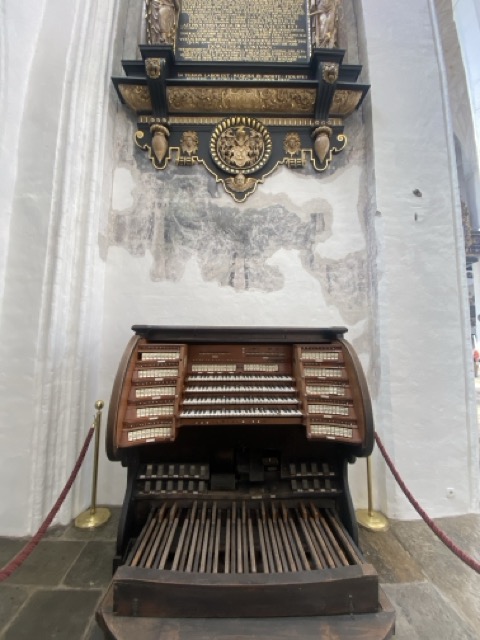
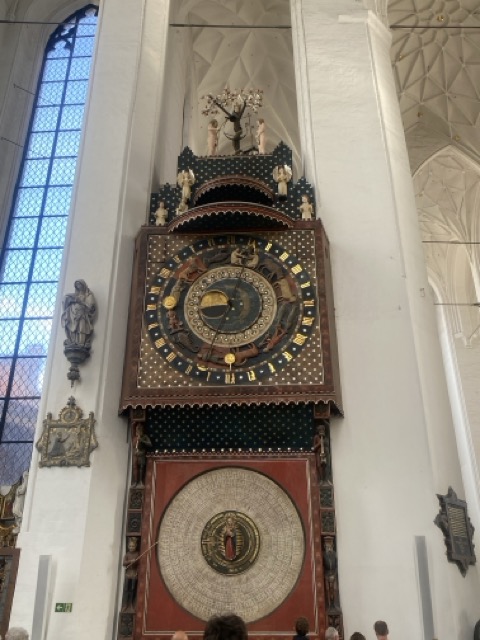
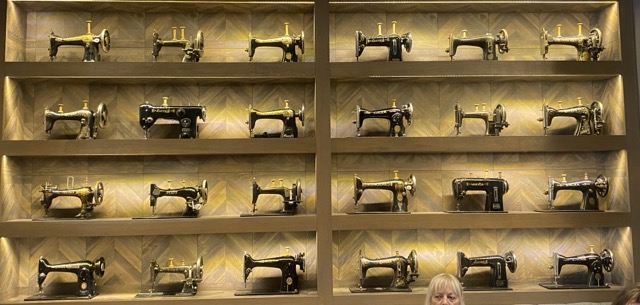
On the way to our next spot we found a good place for lunch. I had Gdansk fish soup – with lots of salmon and a bit of paprika. Glenn had fish and chips as we are next to the sea.
The theme was sewing.

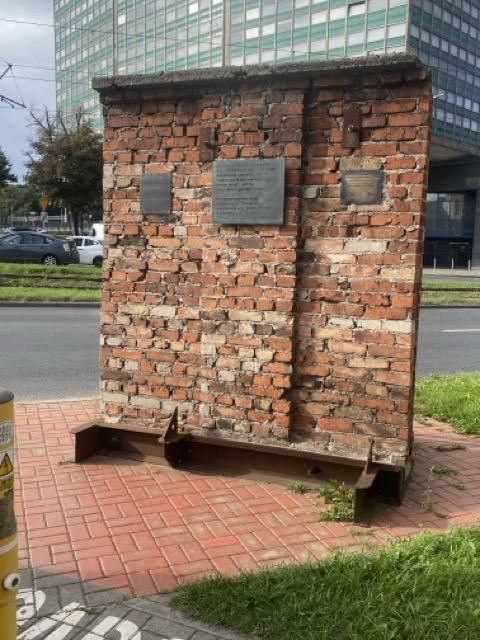
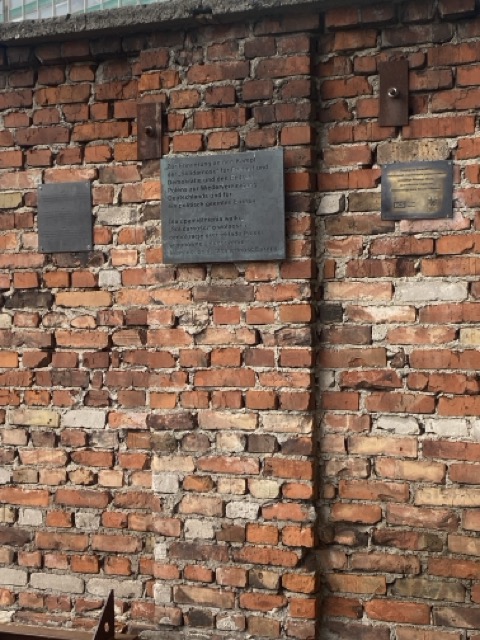
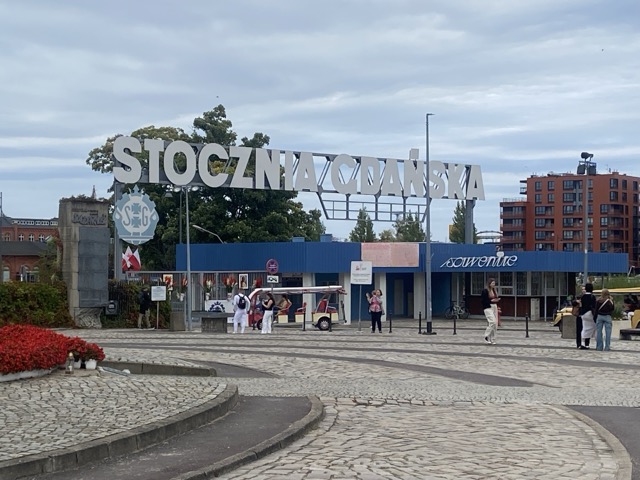
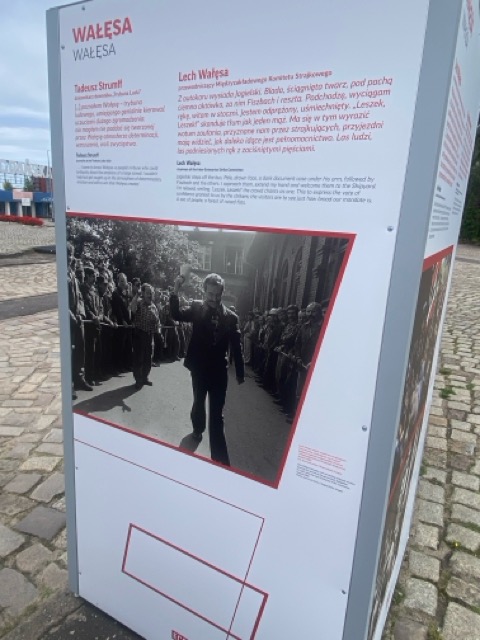
We then went to see the section of wall that Lech Walesa jumped over to become the leader of the shipyard workers strike in 1980 protesting about the unfair sacking of a colleague and the increasingly tough conditions imposed on the population by the communist government. There is also a section of the old Berlin Wall.
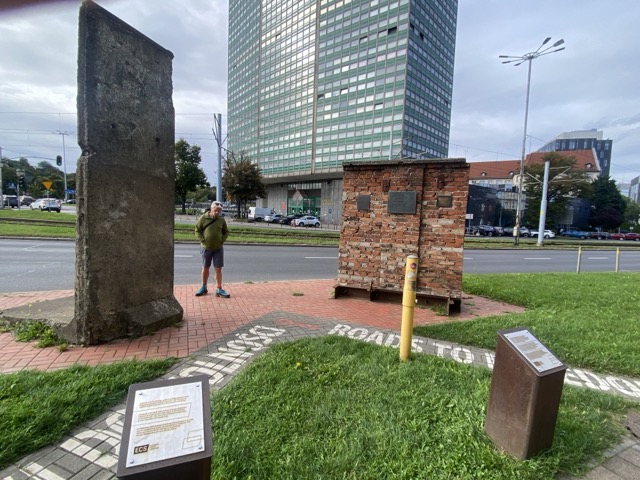
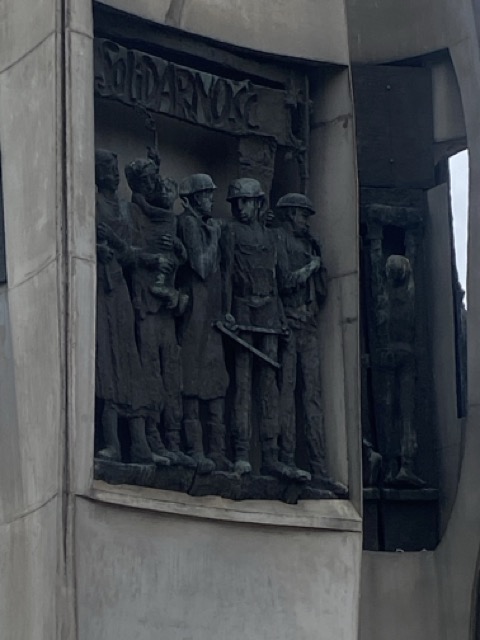
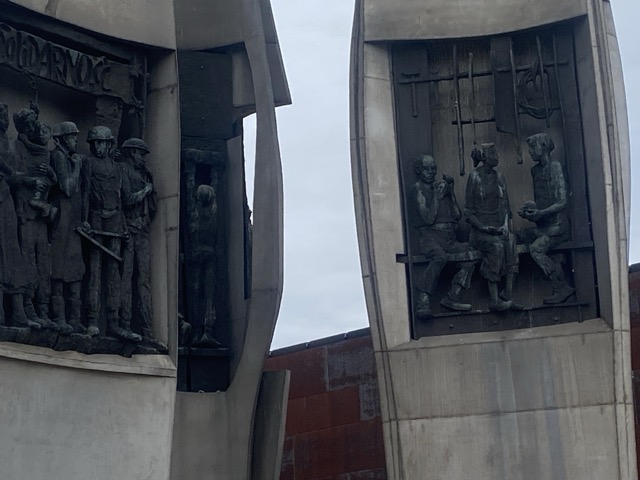
We then went to see the monument to the shipyard workers erected after the successful creation of the Solidarity trade unions. It is in honour of those who were killed in the 1970 strike by the communists. The 3 large crosses are 30 metres from where the first 3 victims died.
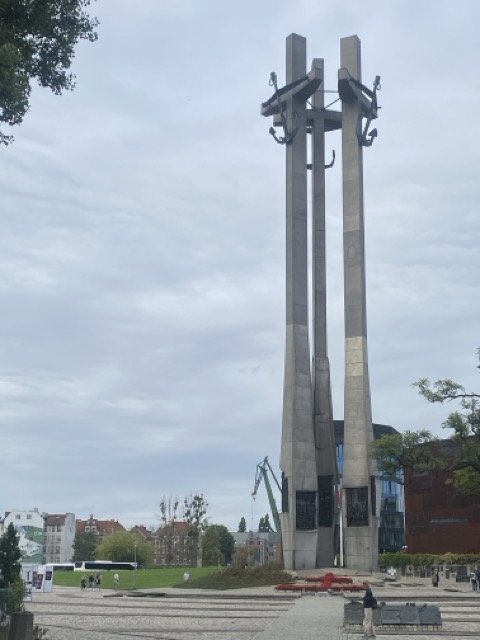
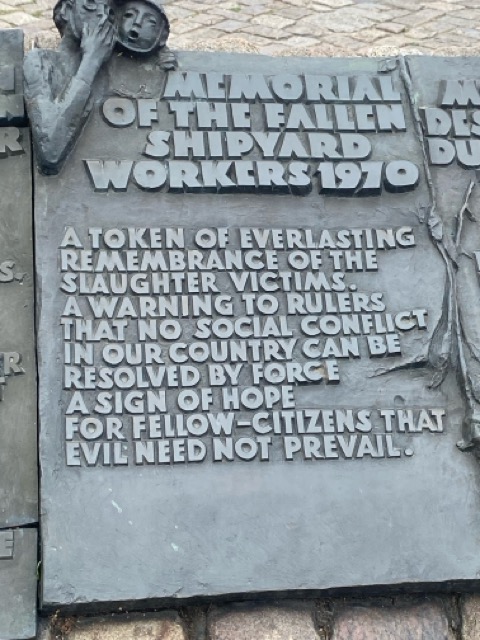
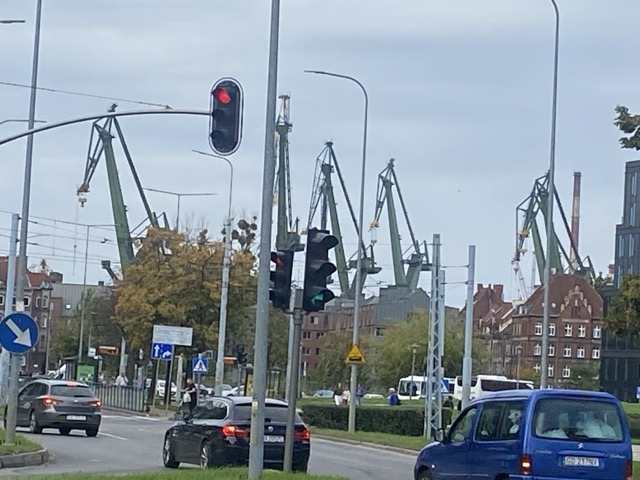
I recognized the cranes from the many news broadcasts at the time.
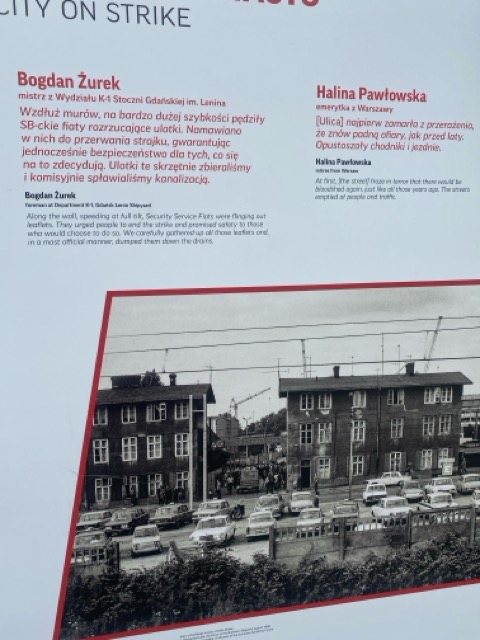
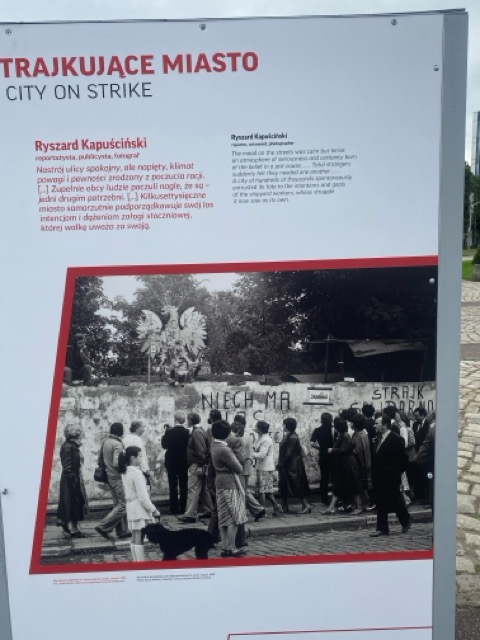
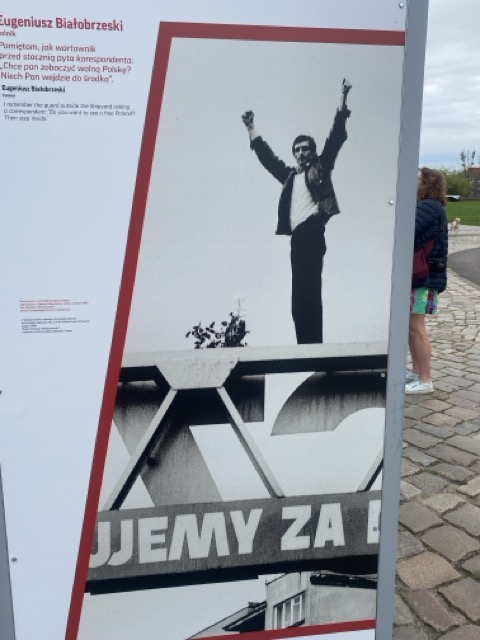
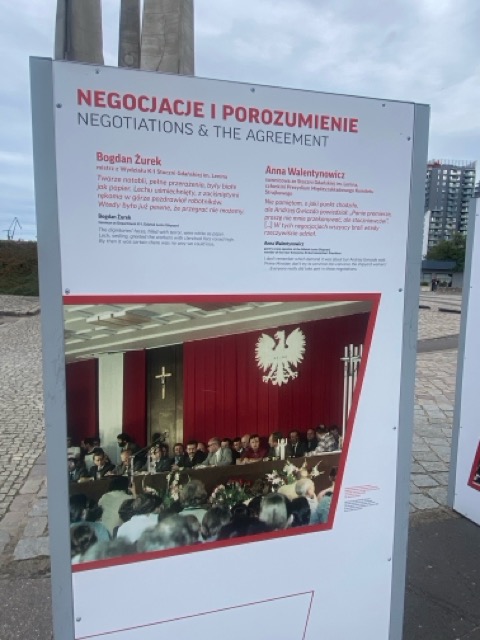
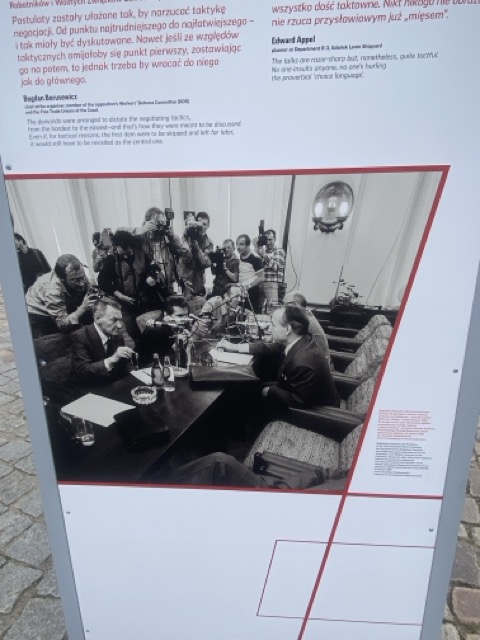
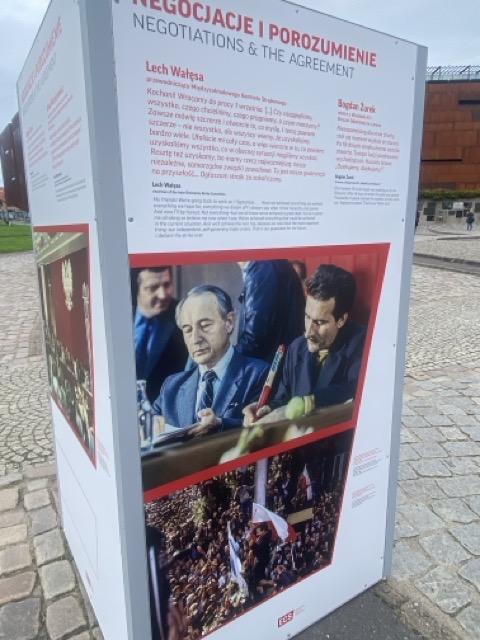
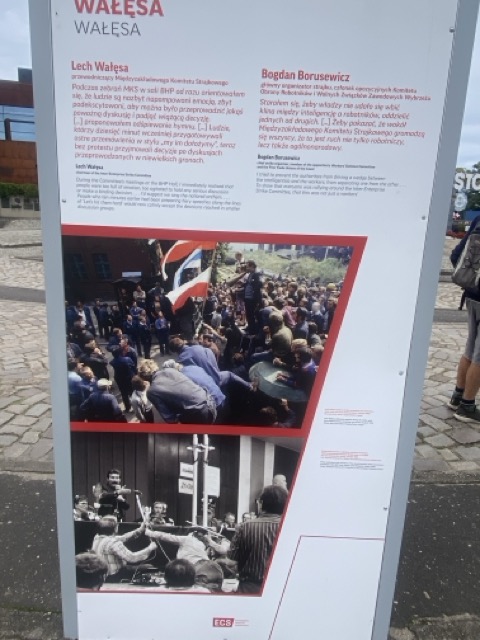
There was a large set of information boards telling the story of the fight to get the Solidarity unions set up in 1980. The whole country got behind them and went on strike. It was the beginning of the end of communism in Poland but it did take another 9 years.
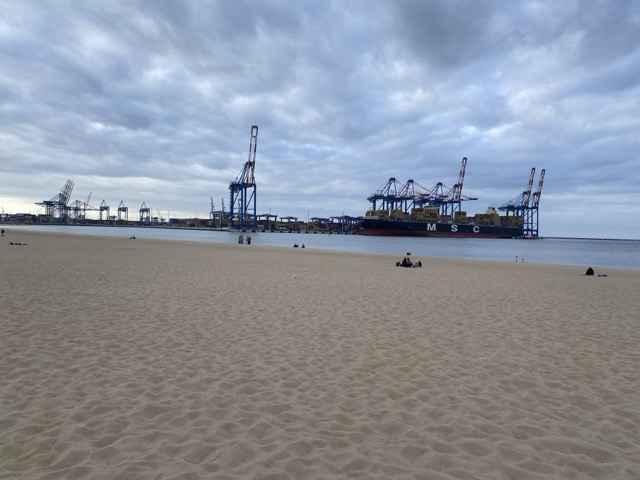
We then caught a tram and bus back to the campsite. We stopped at the beach near the campsite first – very close to the container terminal. It’s quite busy being a Saturday and nice sand – but a very industrial area.
We went back to the campsite where Sean made a chicken pesto and pasta dinner – then it was bedtime
Leave a Reply