We got the tram down to the old original Jewish area of Kazimierz where the Jews had been allocated to live in 1495 after a big fire.
In Kazimierz, Jews established a thriving self-governing community known as the Jewish Quarter. Here, synagogues, schools, ritual baths, cemeteries, and workshops grew rapidly, reflecting a rich religious and intellectual life. Over the centuries, Kazimierz developed into a major center of Jewish learning, trade, craftsmanship, and scholarship. By the 17th and 18th centuries, it was home to rabbis, merchants, artisans, and renowned intellectuals.
Before World War II, approximately 60,000 Jews lived in Kraków-about a quarter of the city’s population.
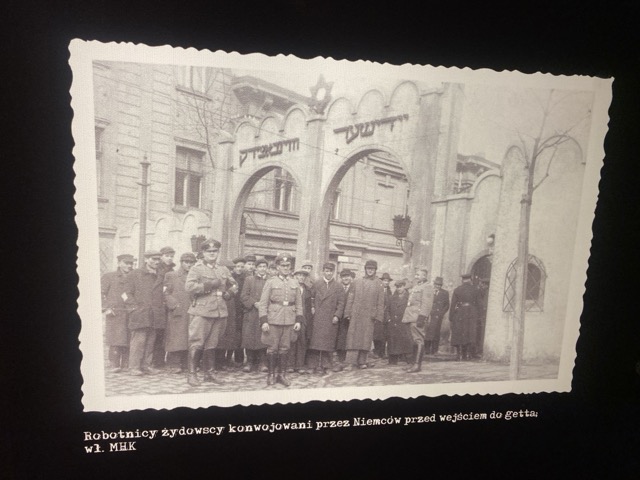
The Holocaust brought devastation. In 1941, Nazi authorities established a ghetto in the district across the river. Families from Kazimierz and other parts of the city were forcibly relocated there.
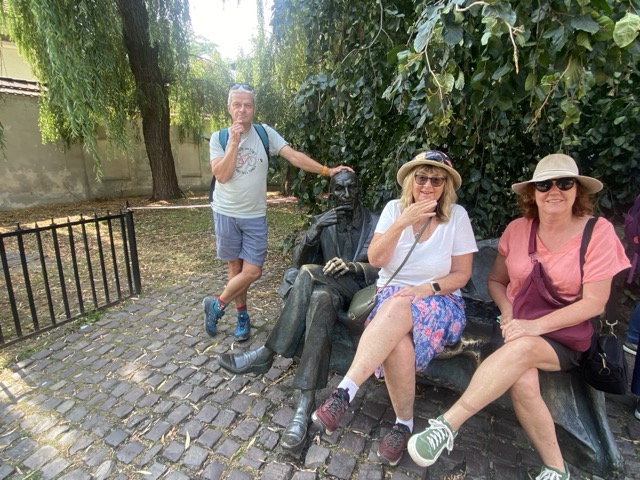
We found the statue of Jan Karski who was a Polish soldier, resistance-fighter, and diplomat during World War II. He is known for having acted as a courier in 1940–1943 to the Polish government-in-exile and to Poland’s Western Allies about the situation in German-occupied Poland. He reported about the state of Poland, its many competing resistance factions, and also about Germany’s destruction of the Warsaw Ghetto and its operation of extermination camps on Polish soil that were murdering Jews, Poles, and others. We had a seat with him.
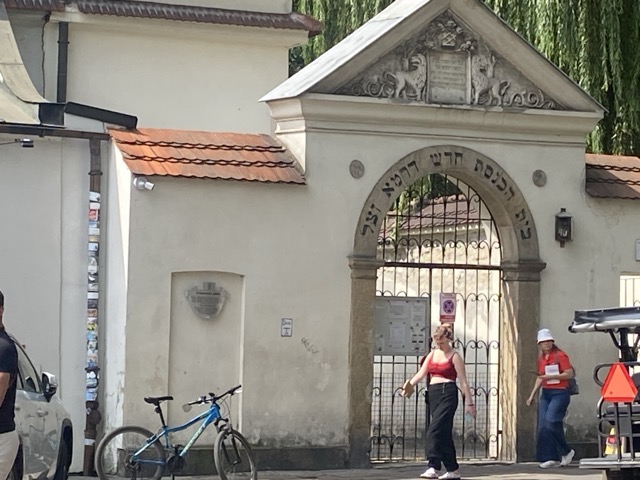
We went into the Remah Synagogue set up in the 1500s which has a large cemetery with many significant Jewish scholars’ graves. The Germans had destroyed everything inside and broken a lot of the gravestones when they moved the Jews to the ghetto. After the war the ‘wall of tears’ was made up of broken pieces that couldn’t be put together. The best was done to place the gravestones where they were but no one is sure if they are in the correct place. The inside has been restored to what it was.
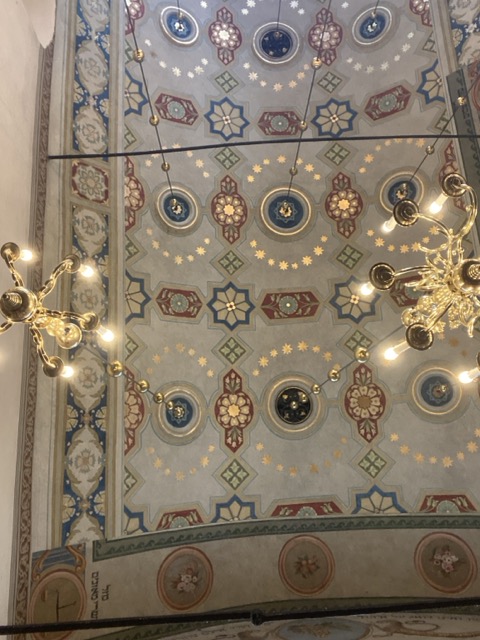
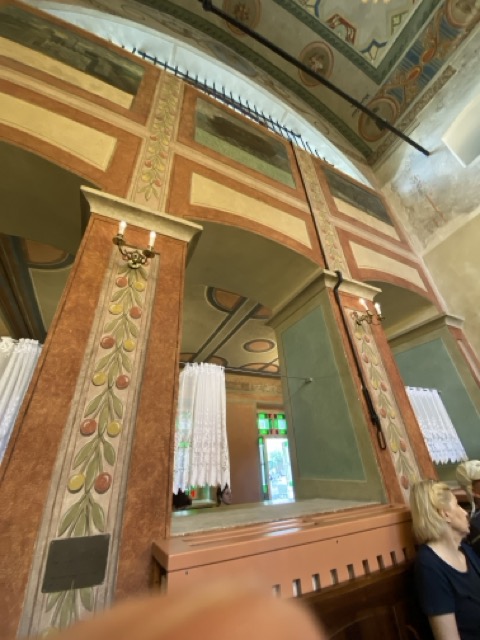
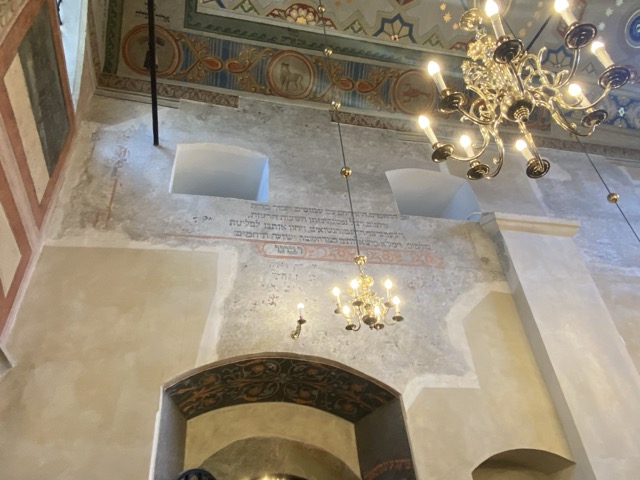
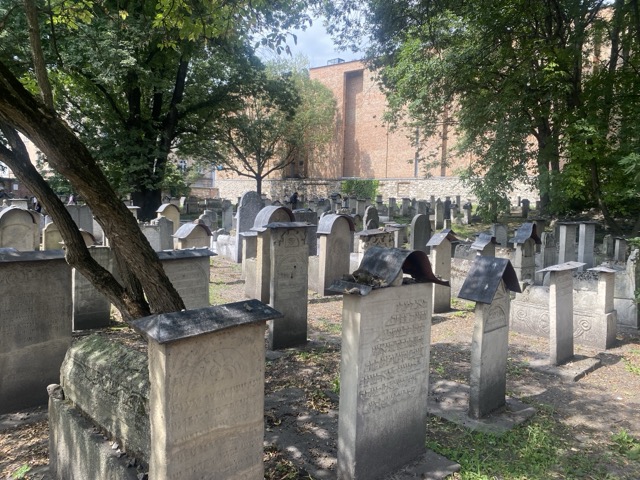
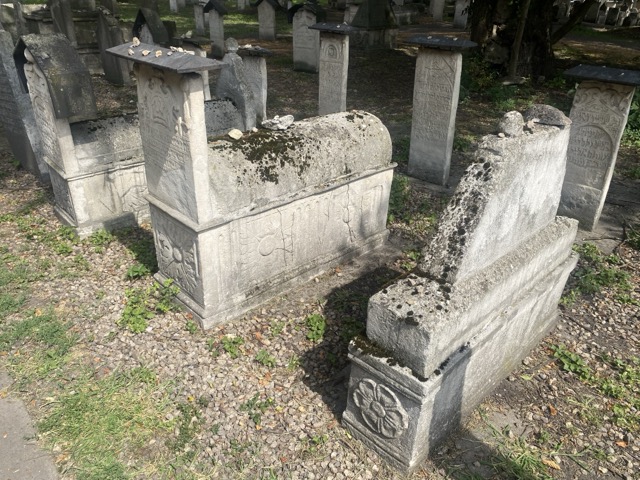
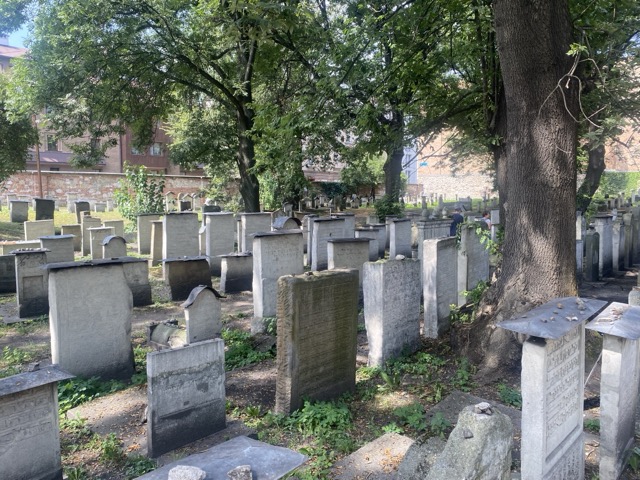
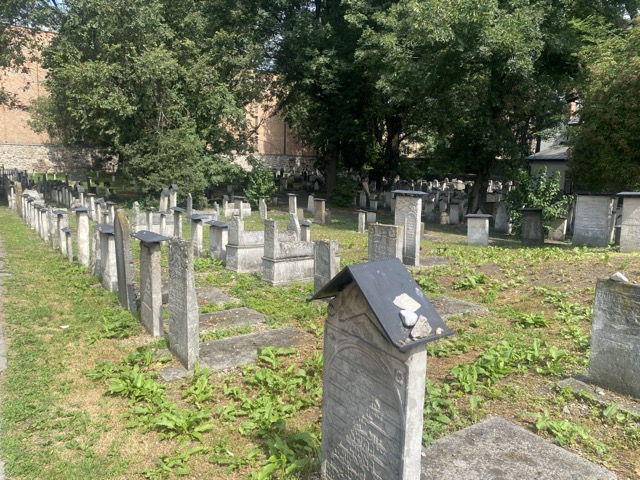
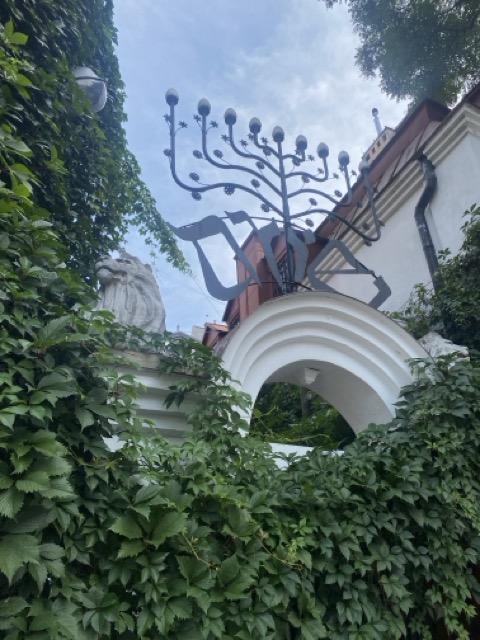
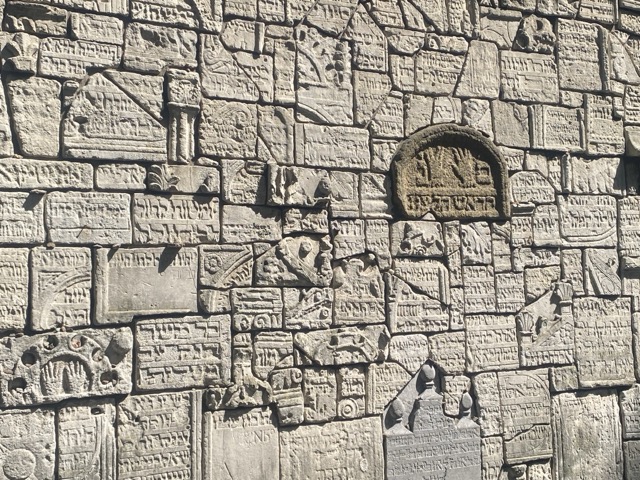
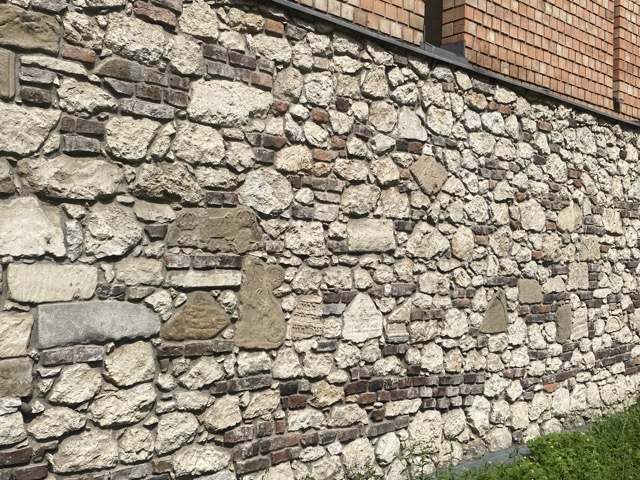
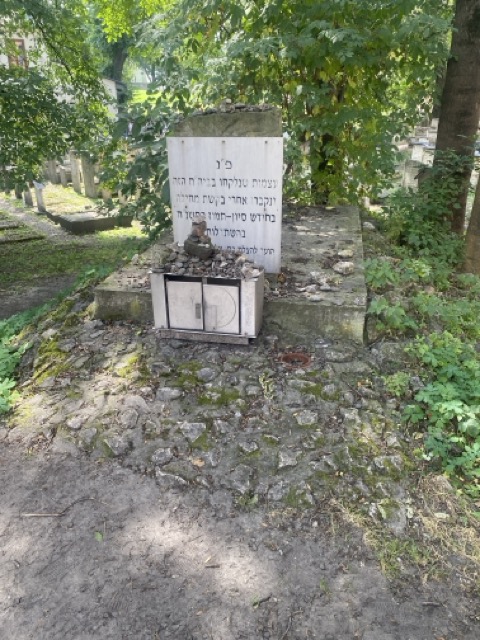
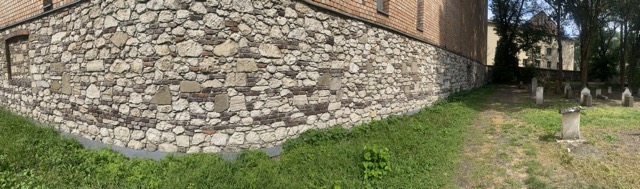
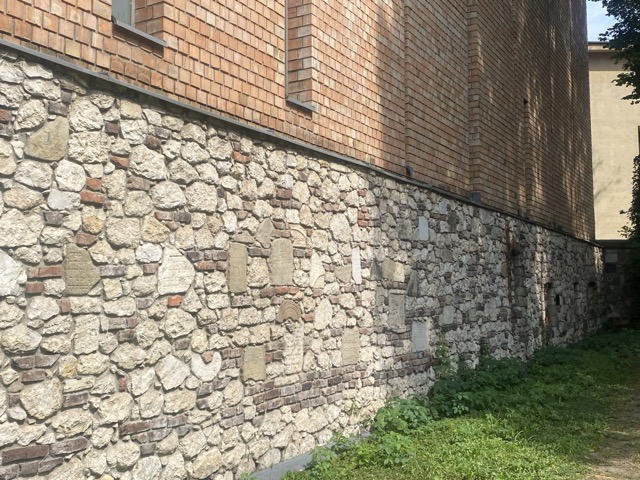
The Germans tried to destroy all synagogues.
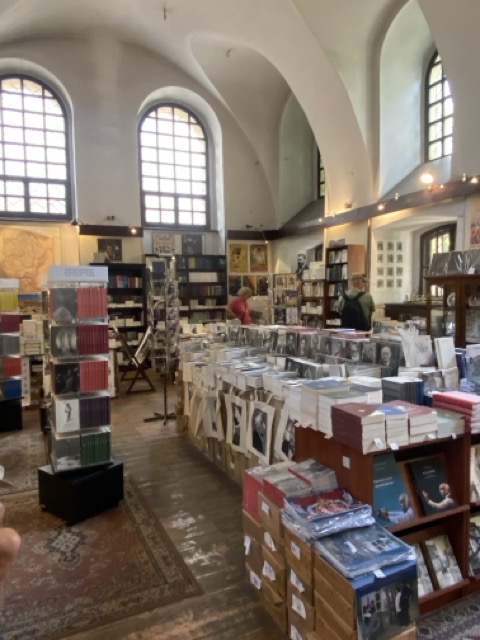
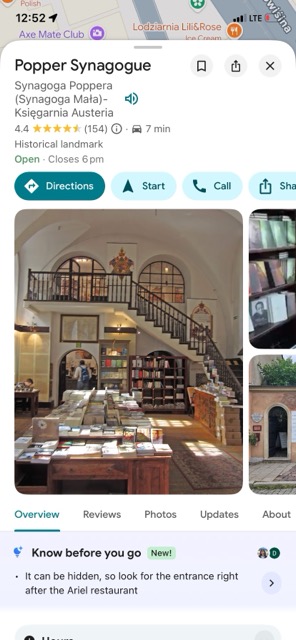
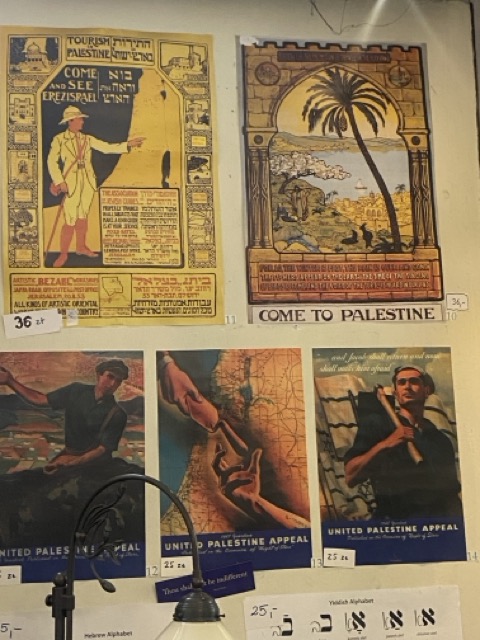
We then went into a bookshop that used to be a synagogue.
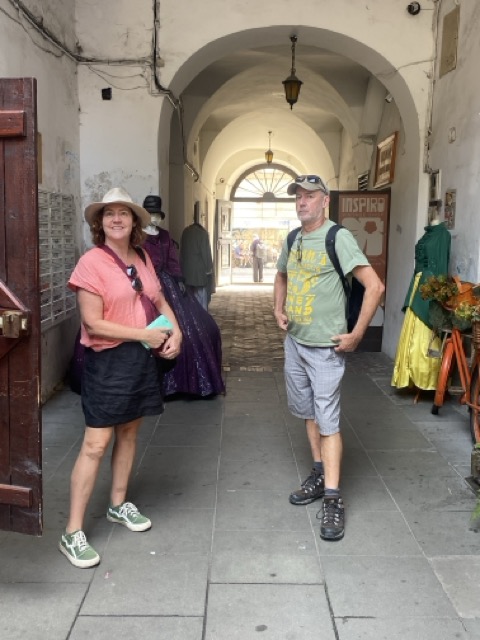
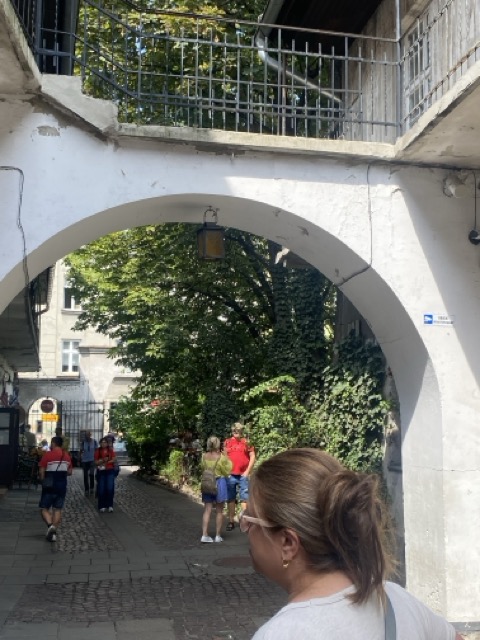
We found a courtyard that was used in Schindler’s List as it looks as many Jewish courtyards did in the 1940s. It has a lot of information boards on what happened to the Jews in the ghetto.
From 1942 onward, mass deportations to concentration and extermination camps-most notably Auschwitz-led to the near destruction of Kraków’s Jewish community.
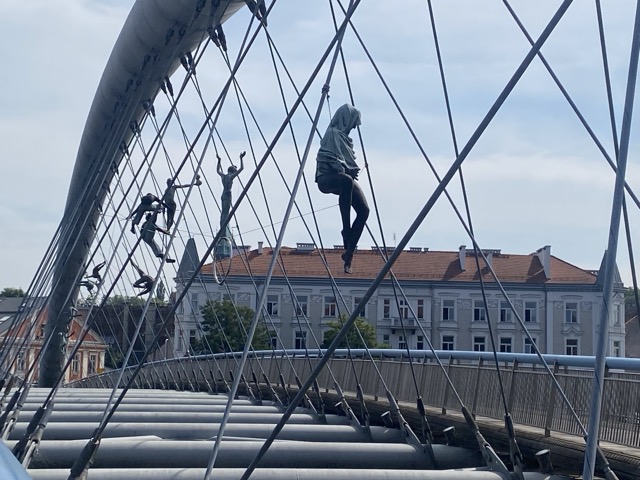
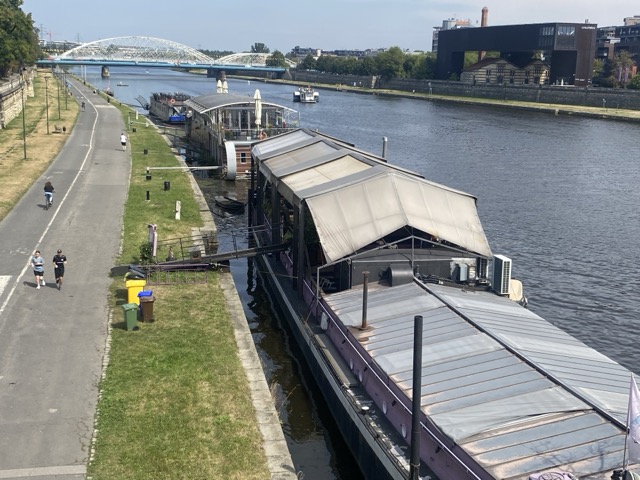
We walked across the river on a gymnastic pedestrian bridge to where the ghetto was. There is an art piece of empty chairs where each large chair represents 1000 Jews deported in the holocaust.
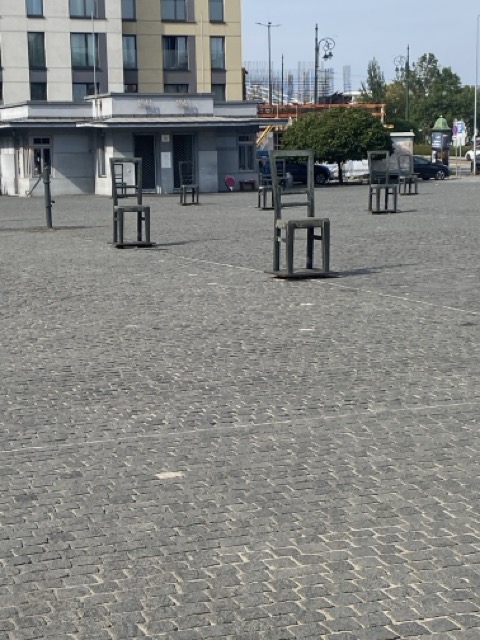
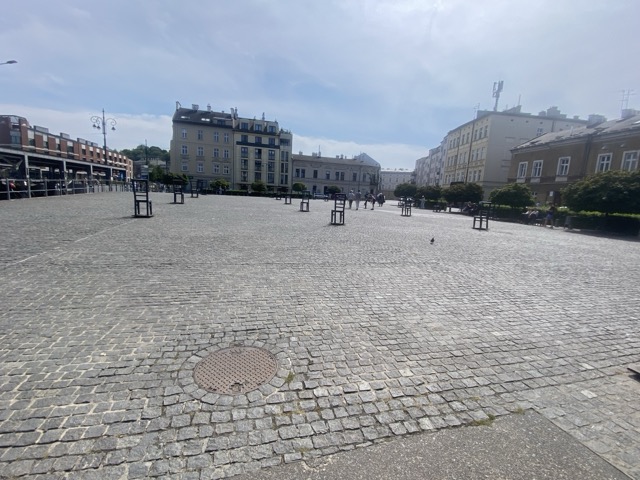
This area is where they were made to line up and counted before being deported to the Belzec concentration camp. The design comes from a memoir by Tadeusz Pankiewicz, the Polish pharmacist who ran the Pharmacy the Eagle on the square.
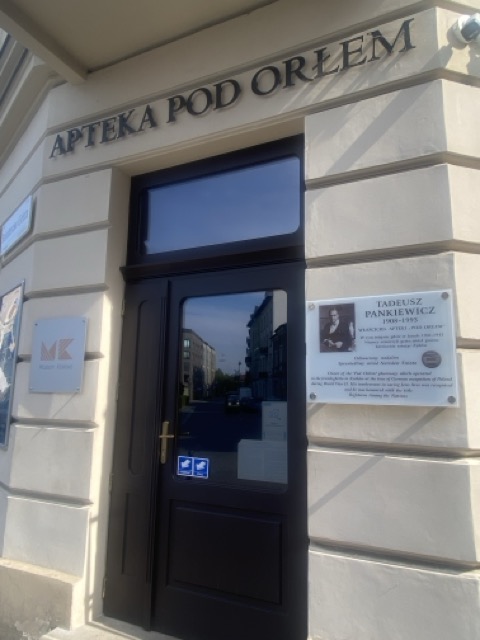
He described how the square was left filled with abandoned furniture and household items after residents were forced onto trains to death camps. He helped the Jews by providing free medicines, passing messages in and out of the ghetto and hiding people when German soldiers were deporting ghetto residents.
We went to Schindler’s Factory museum that used to be the admin building and is now a museum but couldn’t get in as it closes early on a Monday. We would have to wait until tomorrow.
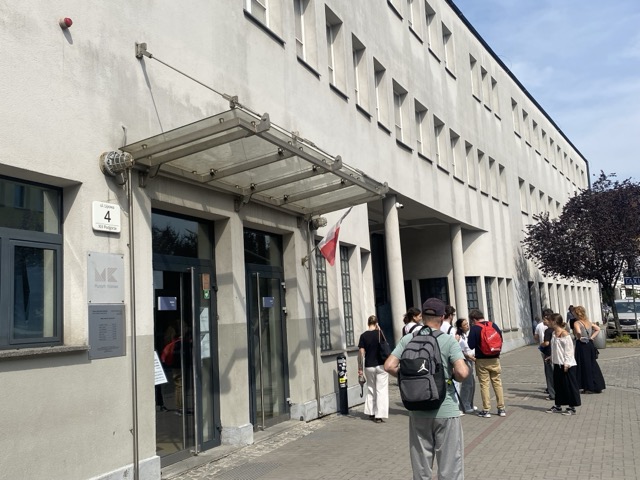
We checked out the contemporary art gallery round the back where Sean and Glenn found some wiring to do from the giant birds nests.
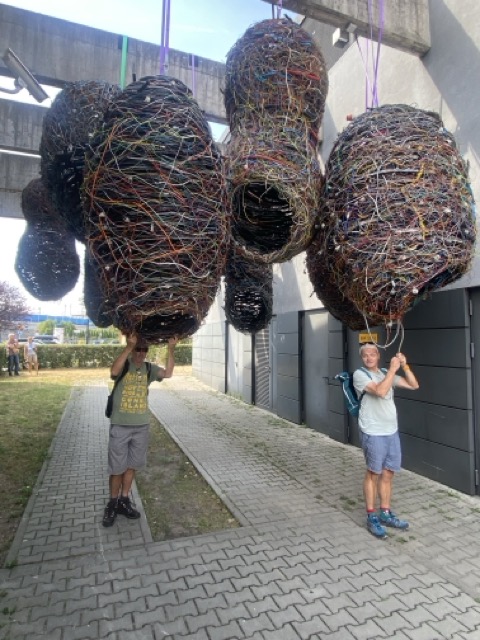
The gallery was closed on a Monday and contains parts of the workshops of Schindlers factory.
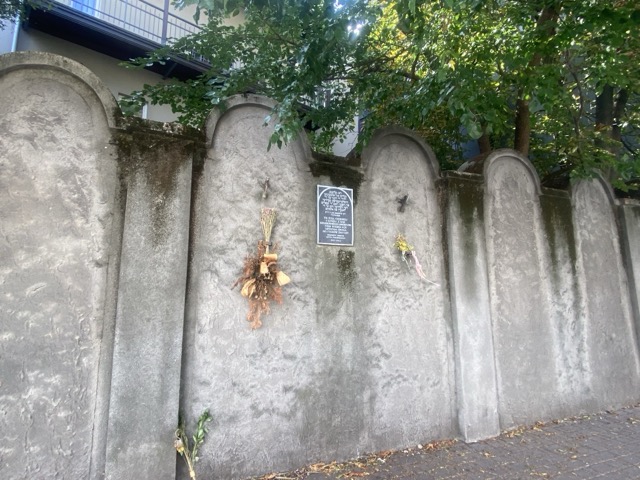
We found the last section left of the ghetto wall – designed to look like Jewish gravestones.
We were now getting hungry so found a milk bar restaurant for lunch. Glenn and I had 2 different pierogi dumpling flavours – meat – and cheese and spinach – very delicious and very cheap. It’s self service and basic tables but cheap and cheerful.
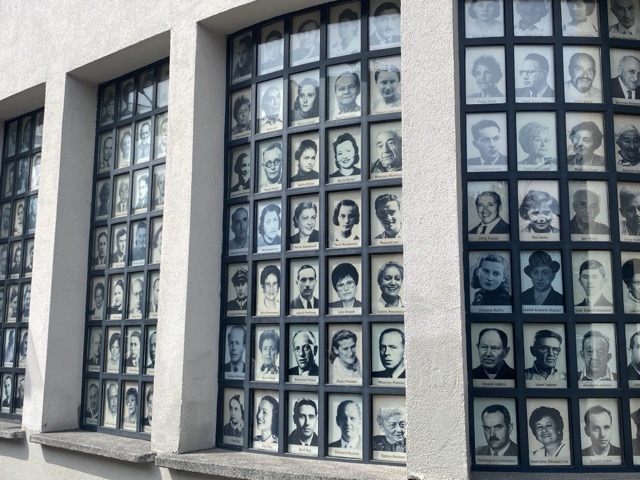
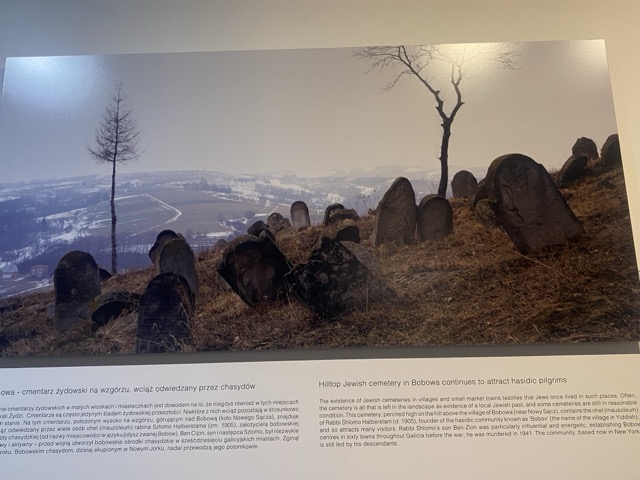
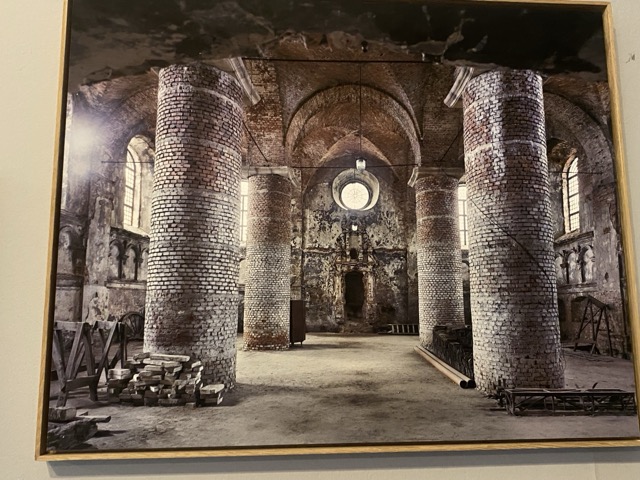
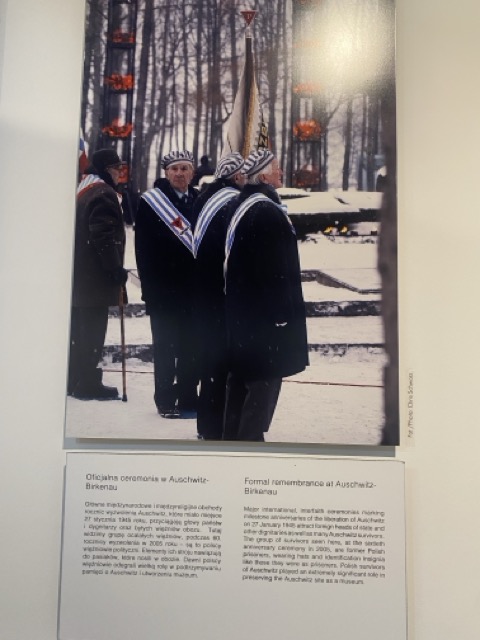
We then went to the Polish Galician Jewish museum – about the Jews in this area. It was a big photo exhibition about how Jewish buildings and culture have disappeared after WWII. There are many synagogues and cemeteries that are either in ruins or totally missing. There photos showed examples.
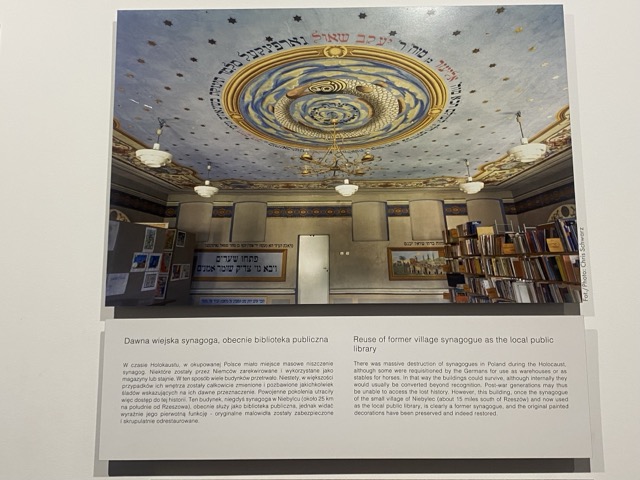
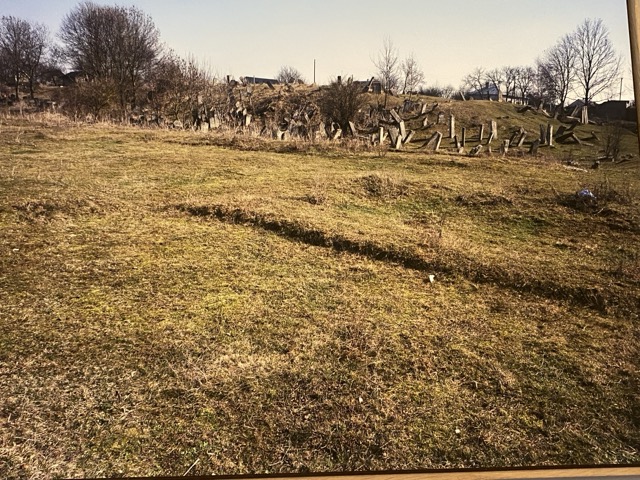
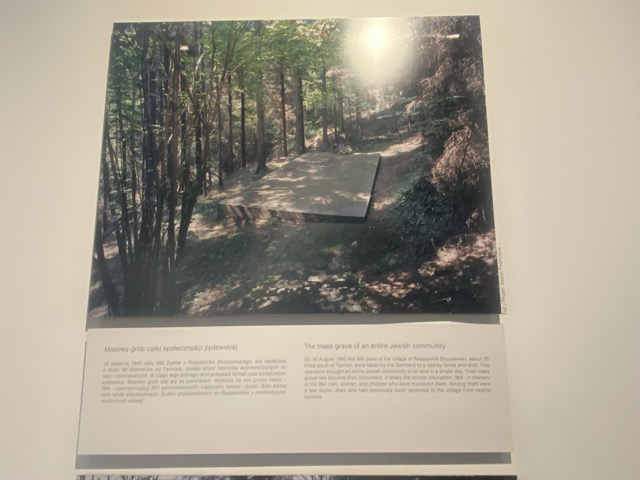
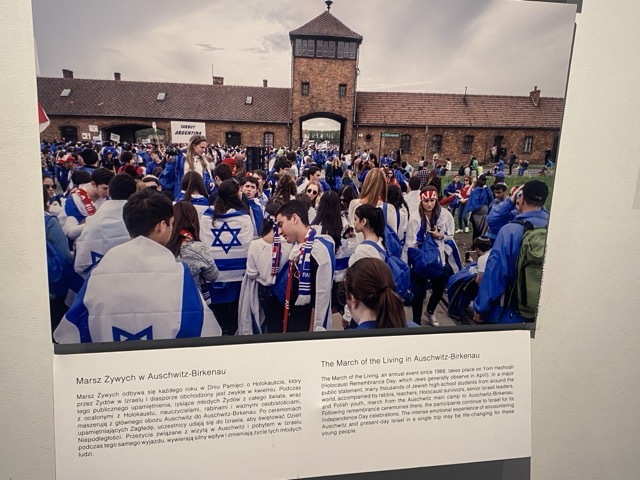
In some cases signs of the reestablishment of Jewish life were shown. These were at a Jewish Memorial Day in Auschwitz.
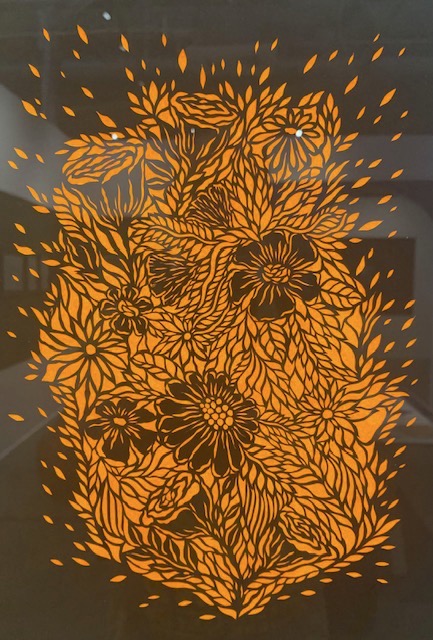
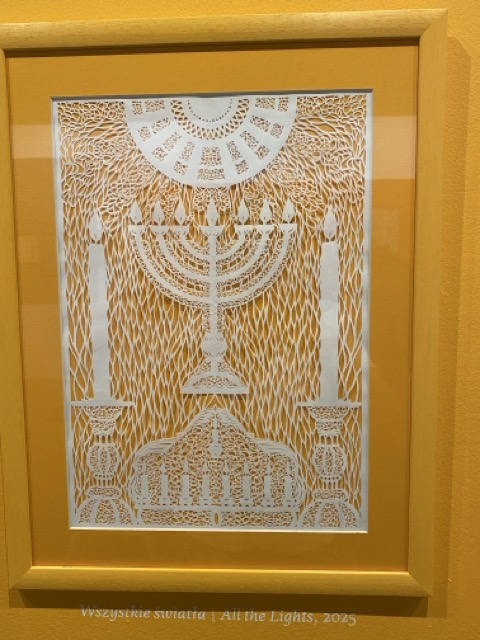
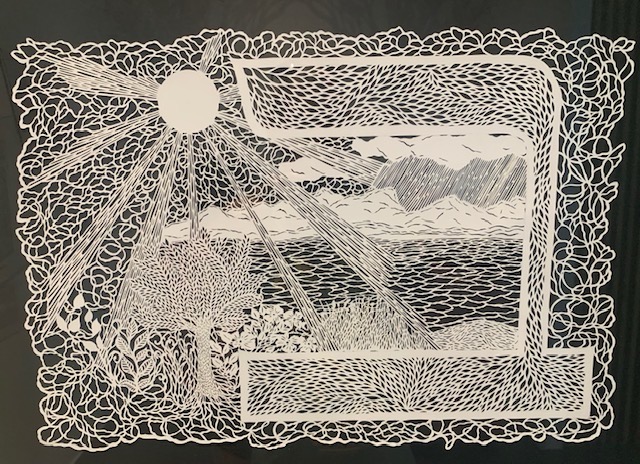
There was a traditional Jewish paper cutting exhibition as well – very skilled and intricate.
That was enough for one day so we headed home. When we got back to the campsite the boys insisted on having a beer. I tried to discourage them as a storm was coming. We still had to go to the supermarket.
On the way home from the supermarket we got caught in a deluge and we were all soaked even though we were in raincoats. We were squelching in our shoes.
Back at the van after a change of clothes I made an indoor bbq in frying pans. We found a very strange Polish sausage that we had to boil. The contents squeezed out and it tasted of smoked lentils. Not what we expected but we actually enjoyed it.
It was now after 9pm so went to bed soon afterwards.
Leave a Reply