We left Milicz before 9am after having breakfast at a nice bakery in town. I had omelette with salad and 2 rolls for less that $10 – a very good deal – and very nice too – and the coffee wasn’t too bad either.
We got on the road to make sure we all got into the Centre for Dialogue and Prayer (CDIM) in Auschwitz which provides accommodation and camping for people and groups coming to Auschwitz. It was set up by a Catholic organization but it’s for everyone.
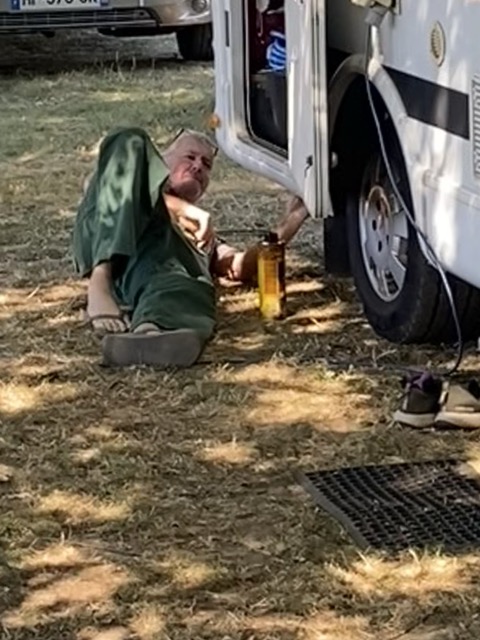
Lisa and Sean got in not long before us and we pulled in behind them in the shade of big trees.
We needed it as it was quite warm and was going to be 33 degrees the next day.
There is a free to use washing machine so we all got a wash done and hung up. It was dry in an hour.
We relaxed and got up to date on things including van maintenance and blogs.
Soon it was time for dinner and we went to bed early as we had Auschwitz next morning at 10 am.
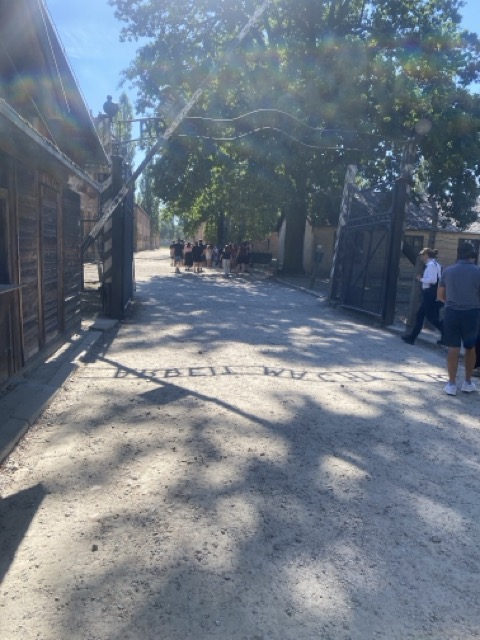
Next morning we walked over to the Auschwitz museum and got in for our 10am tour. We got headphones and a receiver. Our guide was Johanna who had done this for 10 years.
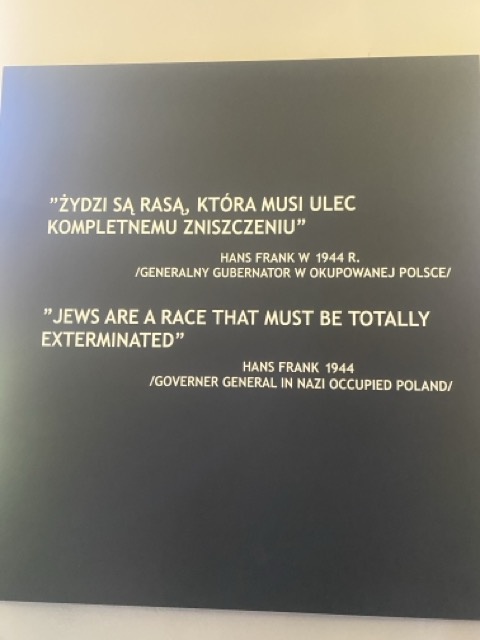
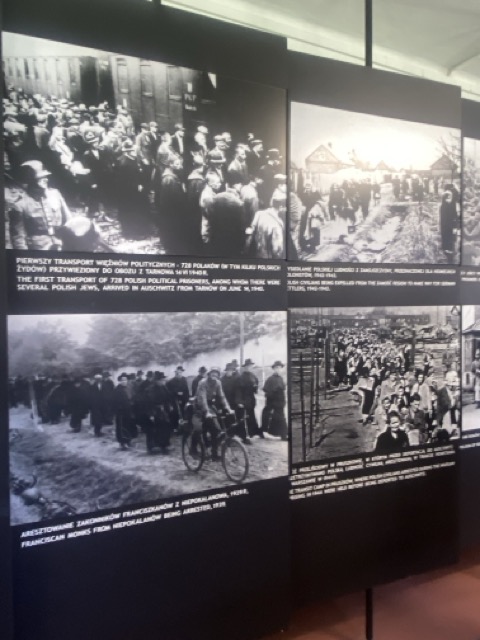
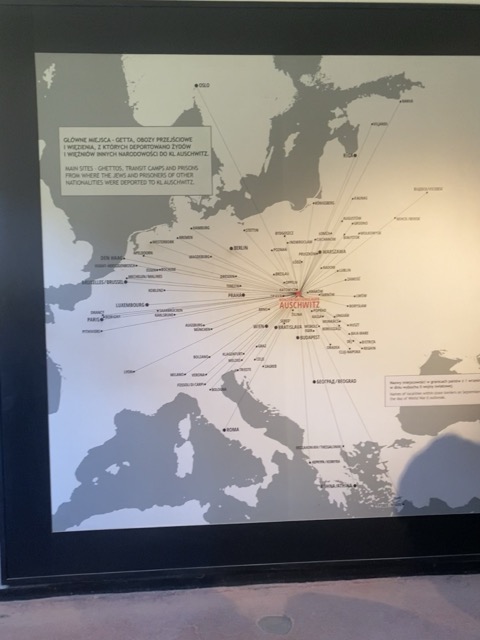
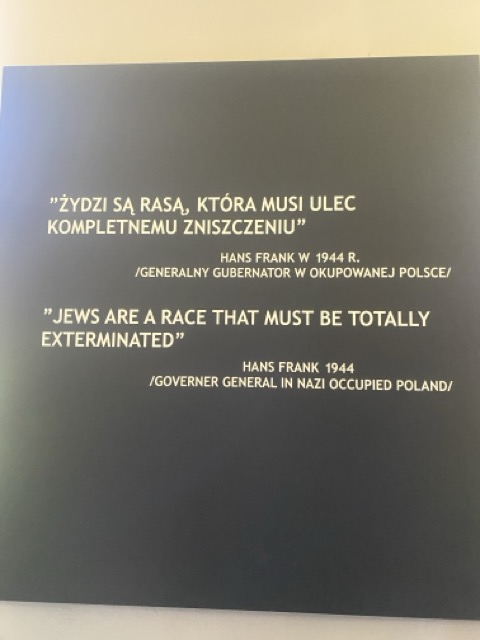
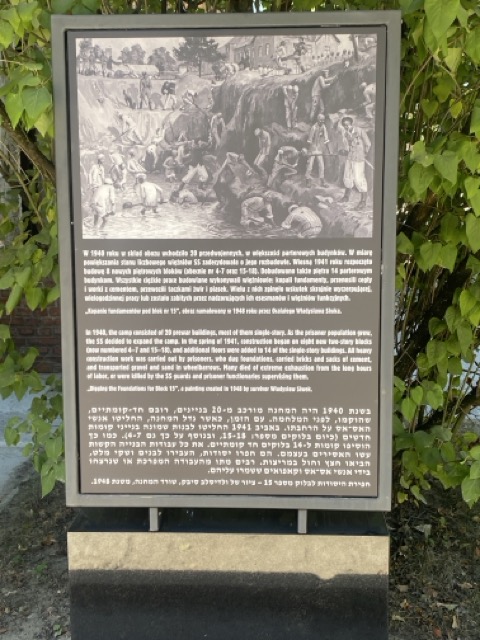
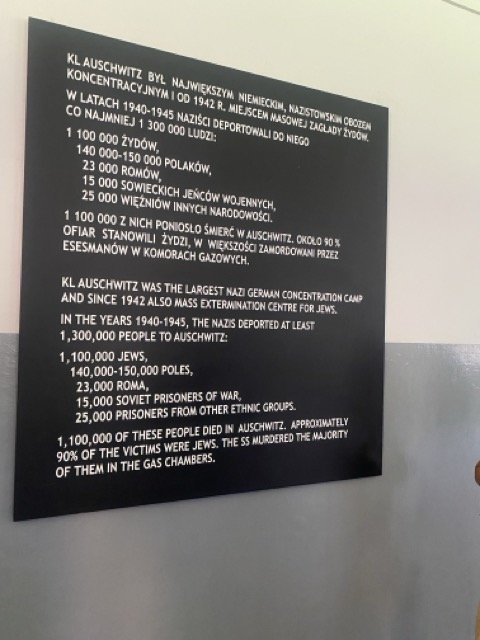
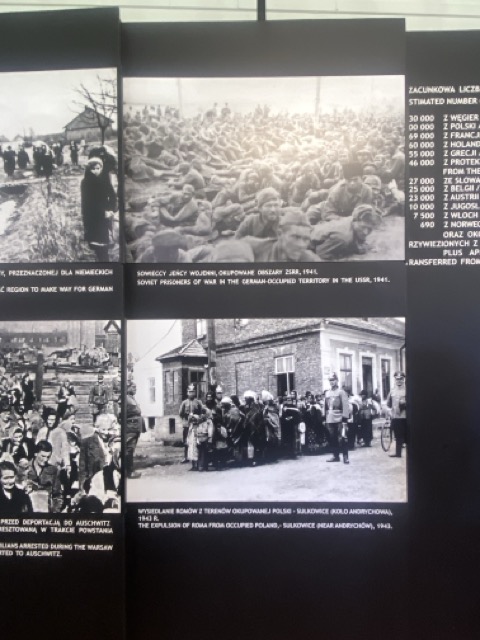
We first went through many rooms telling us about the numbers killed in Auschwitz and who were killed – totaling to over 1.1 million people killed here.
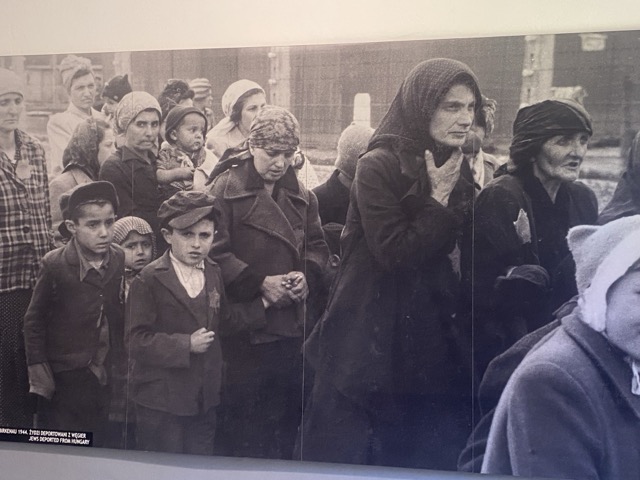
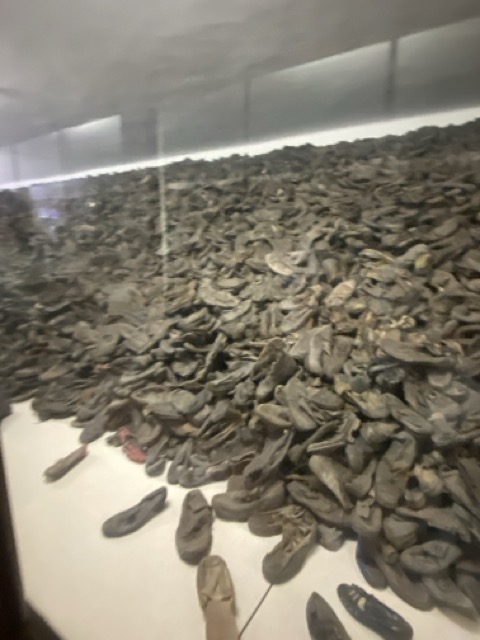
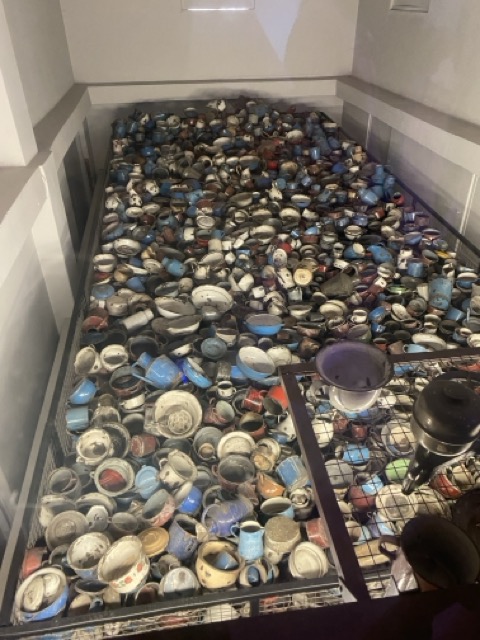
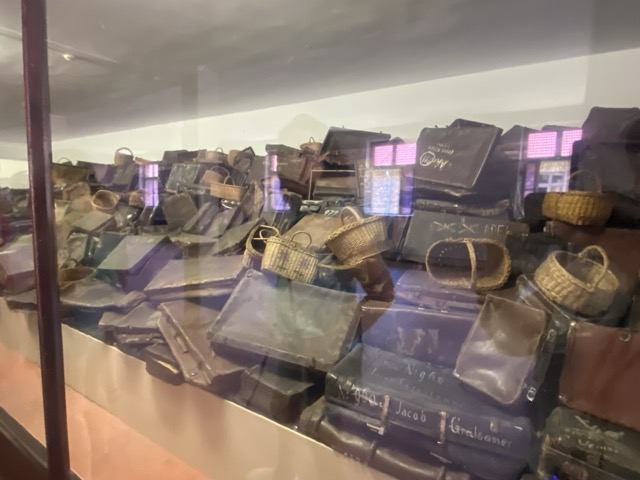
The Nazis had been cutting hair, extracting gold teeth, keeping shoes, clothes and suitcases for export and remanufacturing in Germany. Textiles were made from human hair in Germany.
When the Russians liberated the camp they still found huge quantities of these things. The sight of the piles of these things brings it home as to how many people were murdered here.
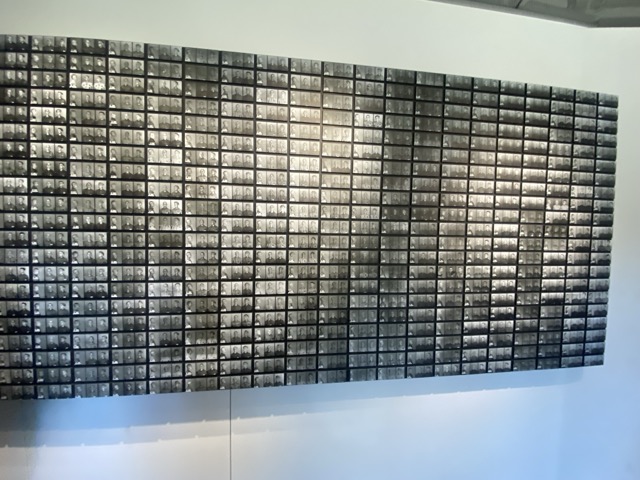
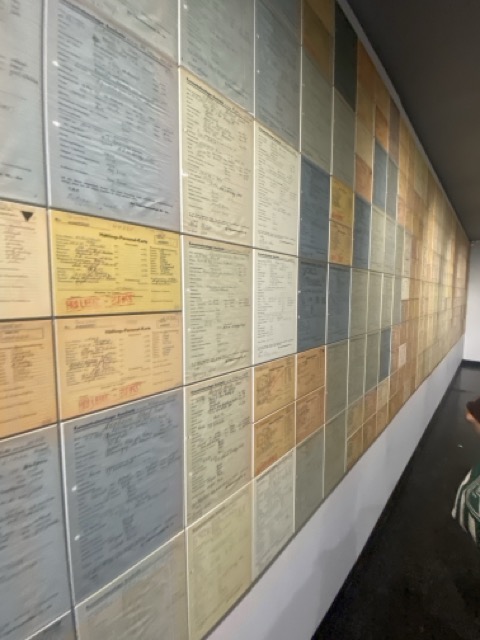
There was a selection process when people arrived at Auschwitz. Most were sent to the gas chamber- being told they were going for a shower and resettlement. Those healthy and strong were kept alive to work. They were all photographed, registered and tattooed with a number. Their death date was also recorded. Not many lasted beyond a year.
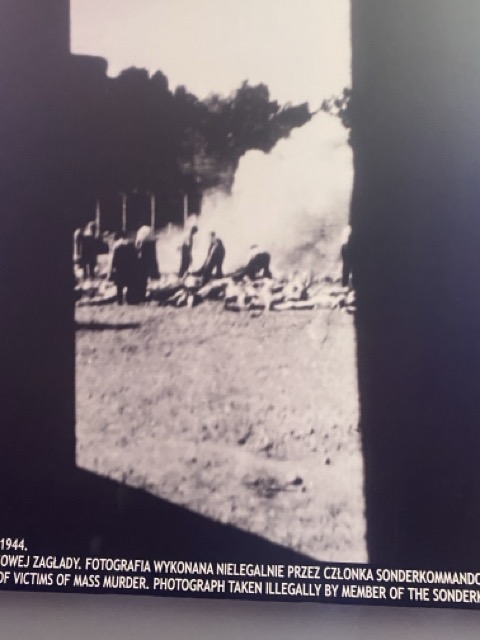
A brave soldier had secretly taken photos of what was going on here.
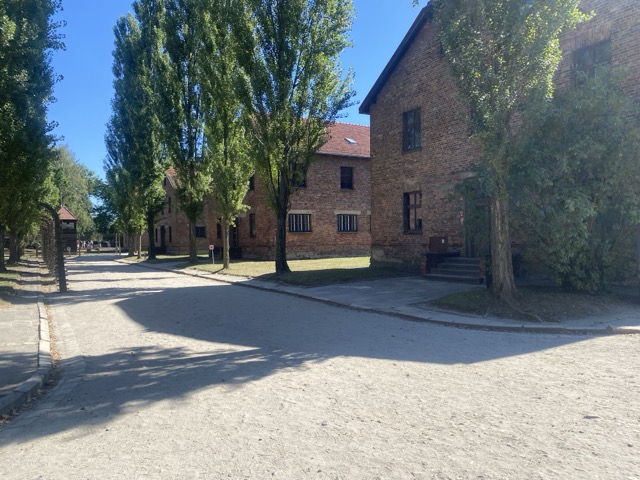
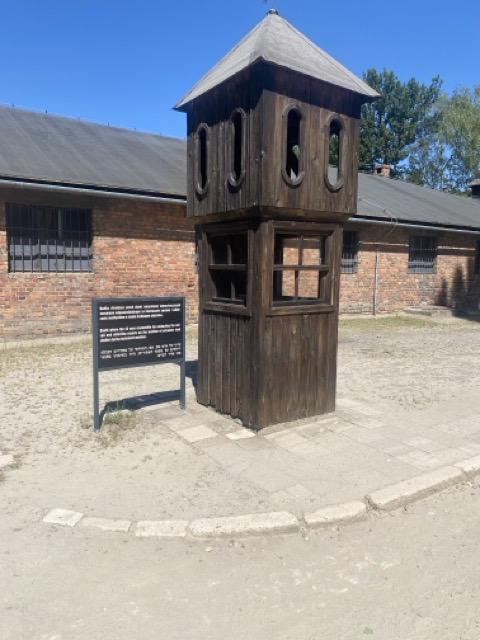
Auschwitz camp was the original camp with smaller numbers of prisoners and where the gas chambers and crematoriums were developed.
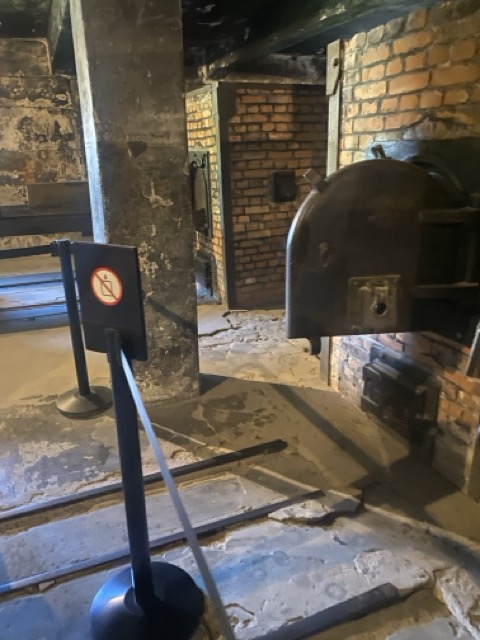
The use of Zyclon B insect repellent was experimented with – to find out that 2 tins were required to kill a room of prisoners.
Also Dr Mengele experimented on prisoners here on how to sterilize women. He would take twins and do different experiments on them then kill them and do autopsies on them to compare.
Then they needed to expand and set up the huge Birkenau camp. This camp contained around 100,000 prisoners. They made a model of the process they would use to murder so many people.
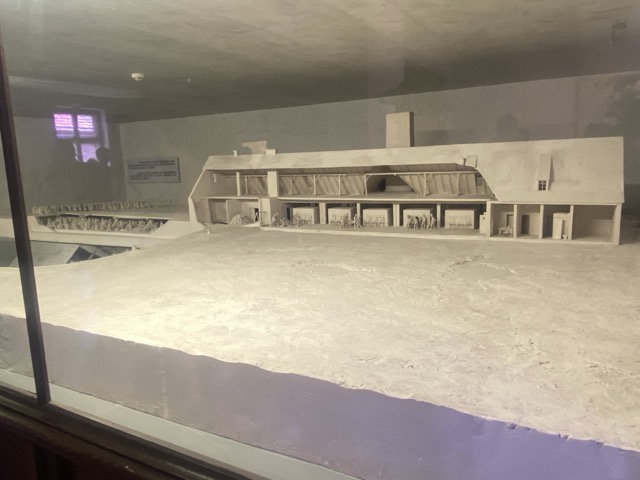
That’s where we went next.
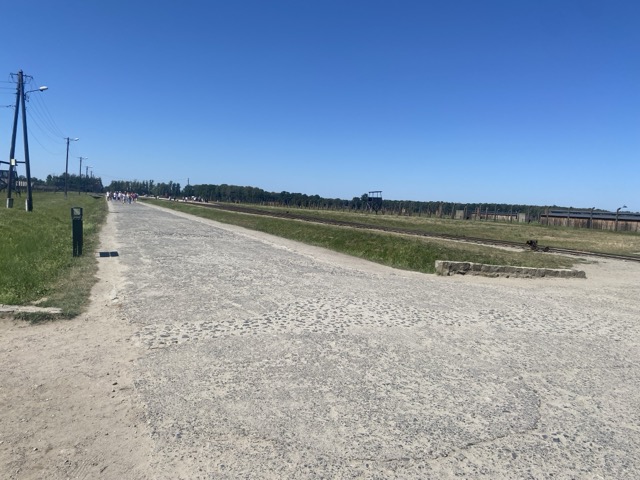
It is a vast area with the train line coming in and where selections were done.
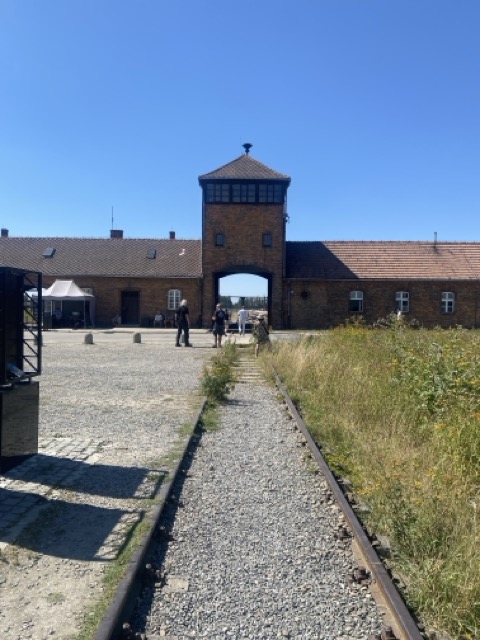
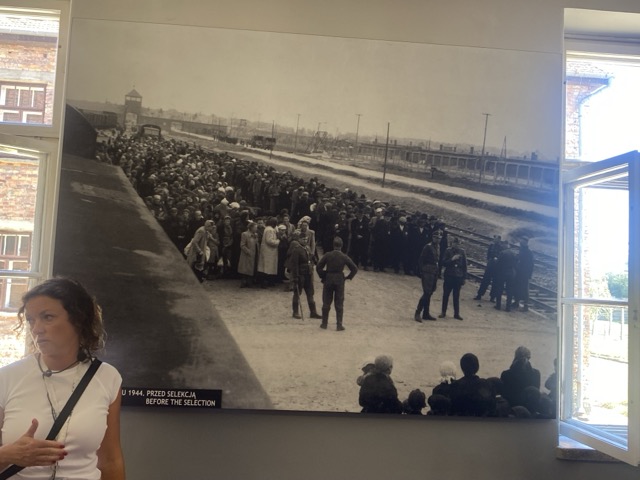
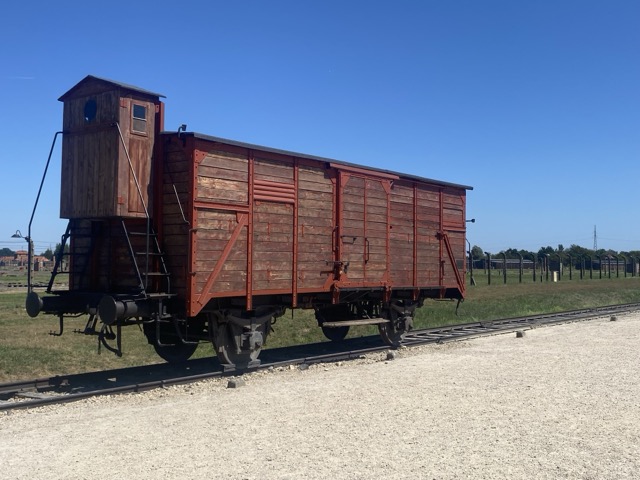
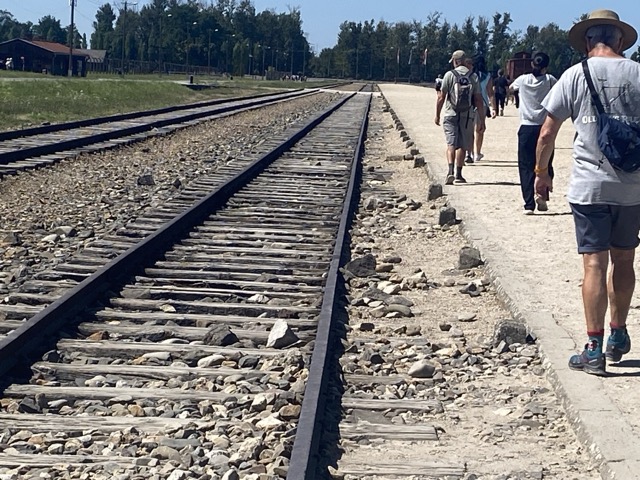
One of the original wagons was still there. Prisoners were locked in here for up to a week with no food, water or toilets.
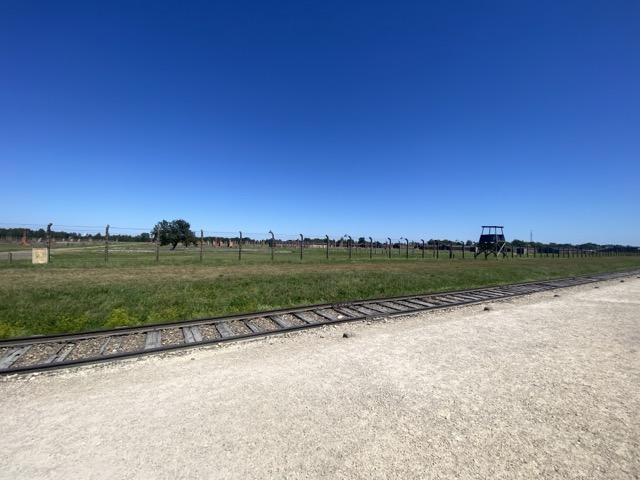
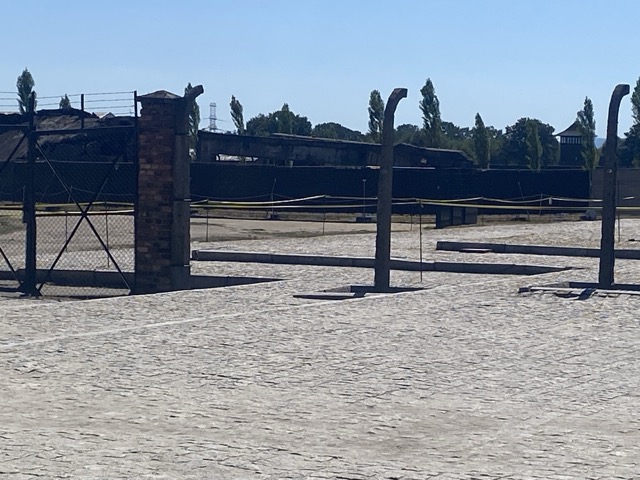
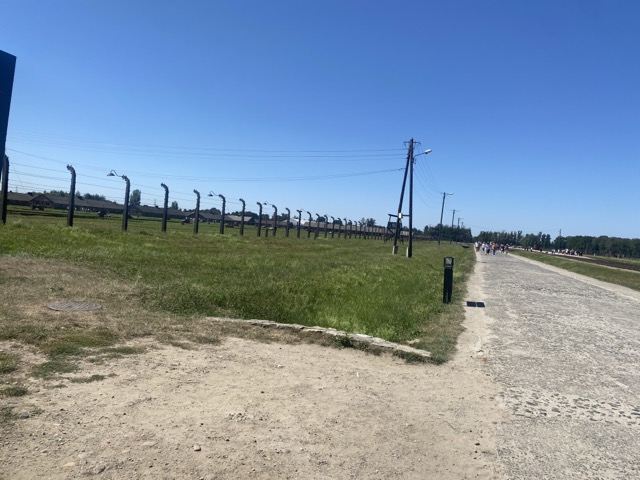
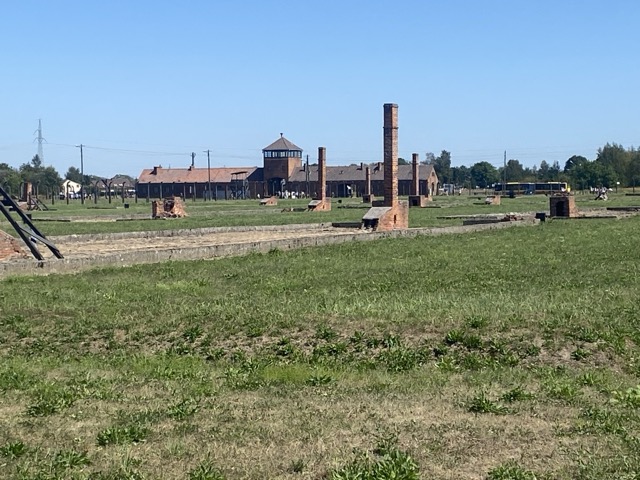
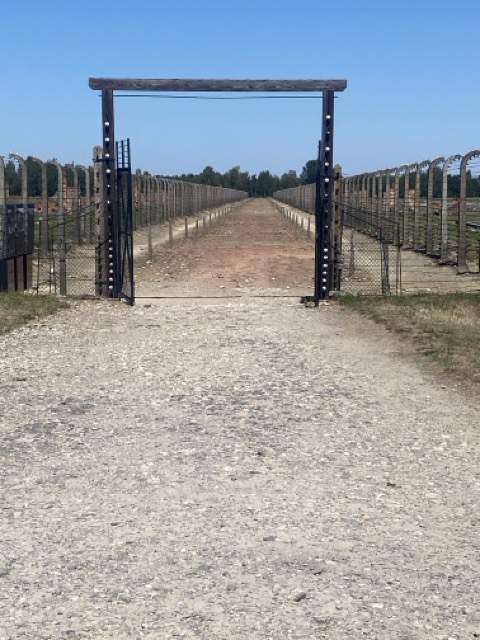
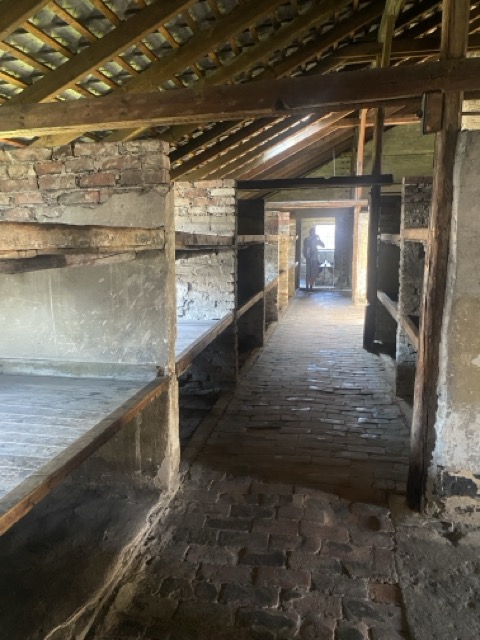
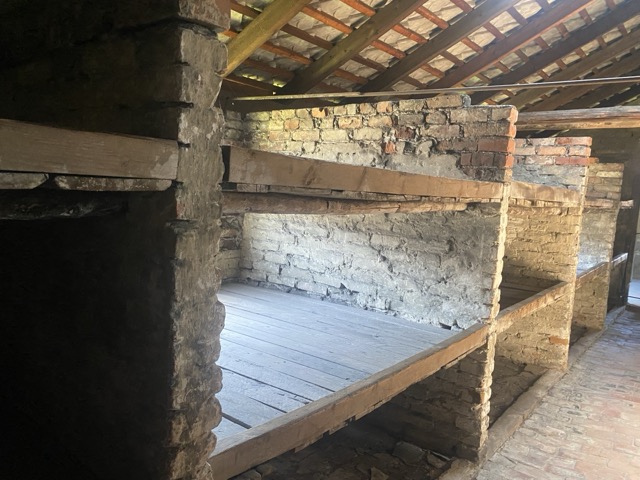
The huts housed up to 700 prisoners each. One bunk had to be shared between 8.
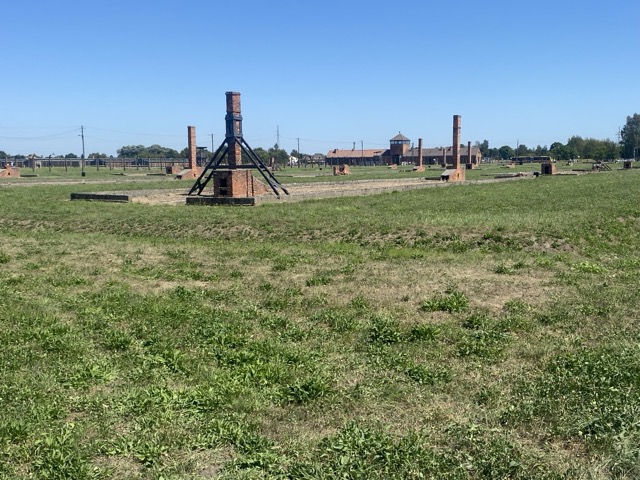
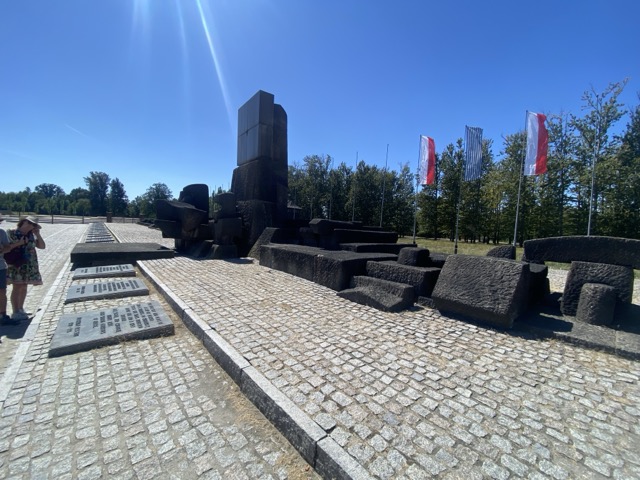
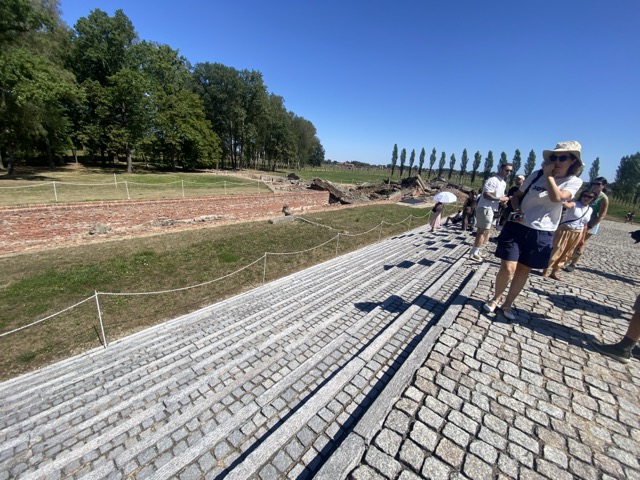
2 large gas chamber/crematoriums centers were set up . The Germans attempted to destroy them as they left. They tried to destroy everything but there was still a large amount left of buildings and paperwork left. They had marched around 80,000 prisoners on a ‘Death March’ to concentration camps in Germany- many dying on the way. 7000 prisoners were remaining there when the Russians arrived.
There was an enormous amount of cruelty here. It is very shocking. I’m glad we went and more people should go to remind ourselves what happened- and to stop it happening again.
We went back to the campsite for a quiet afternoon. It was 33 degrees so we relaxed and contemplated what we had seen.
We had dinner in the CDIM centre. It was 60 zloties = 24 Australian dollars for a 3 course meal of beetroot soup (very good!), chicken schnitzel, chips and salad and banana bread and cream – good and excellent value!
We went back to our vans totally stuffed.
Leave a Reply