After a good nights sleep Lisa, Glenn and I got going early to the regional museum 4 minutes walk from the campsite.
There were many different subjects in the museum.
First was the history of the area with a complete cottage and its internal rooms set up as they would have been.

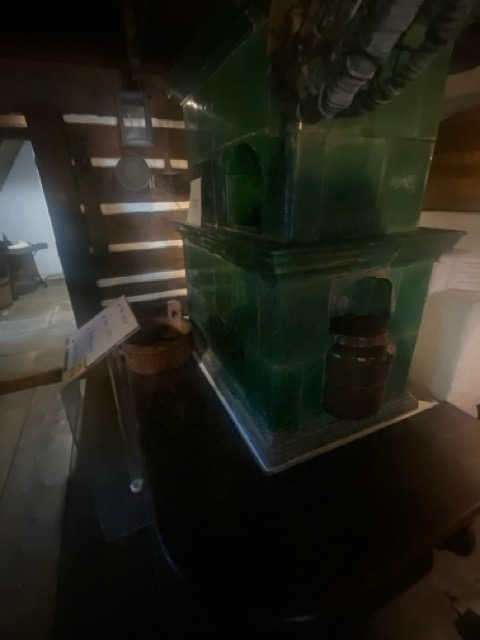
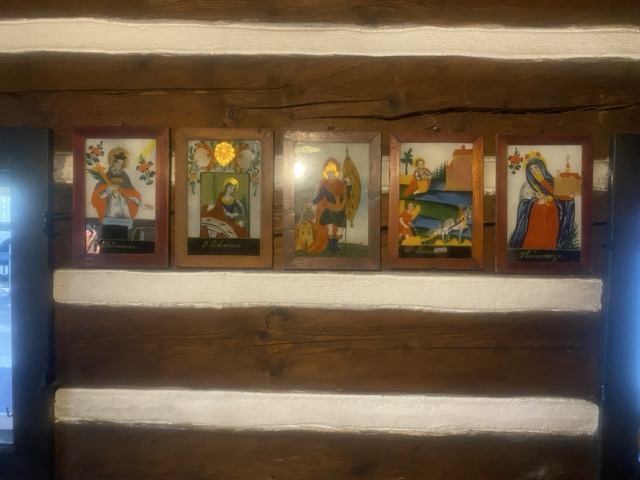
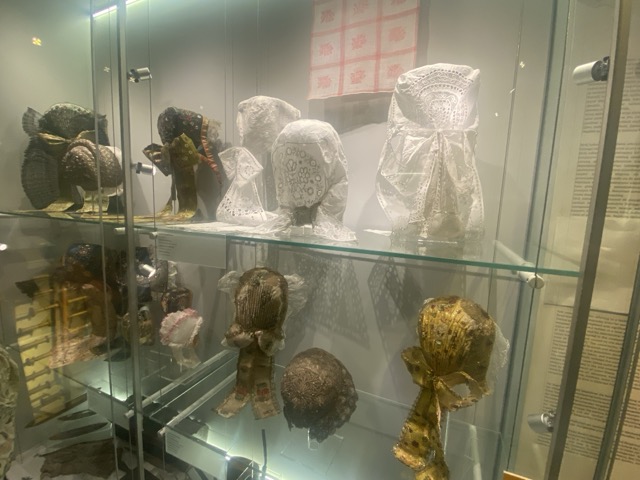
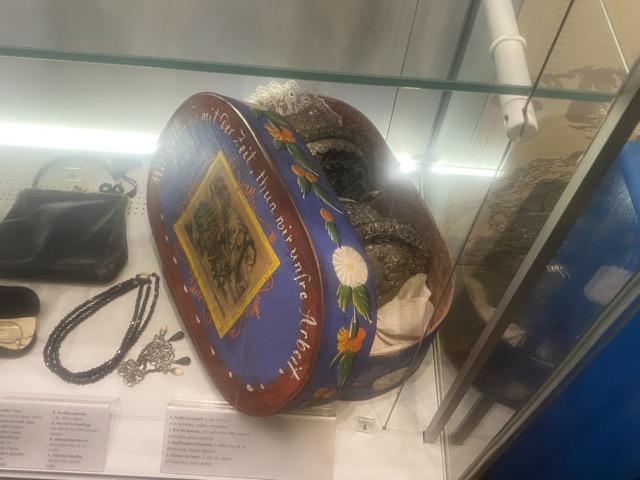
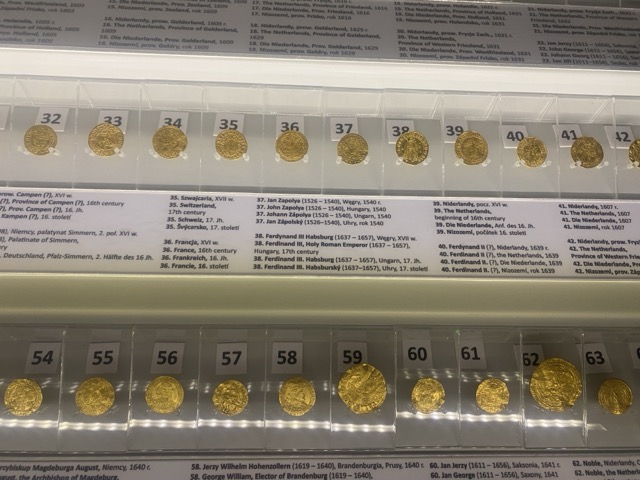
Cultural things were displayed.
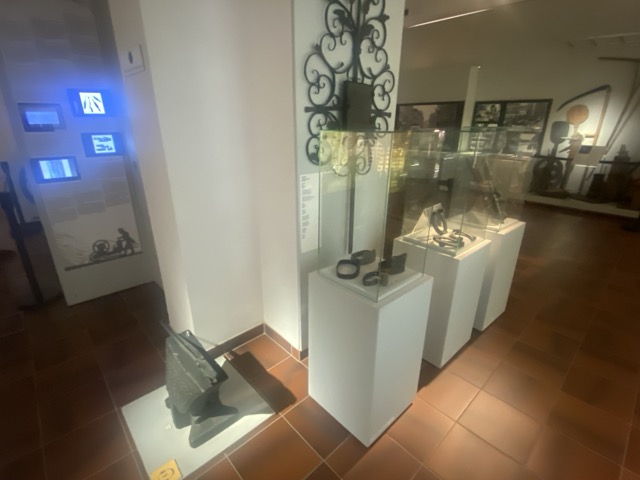
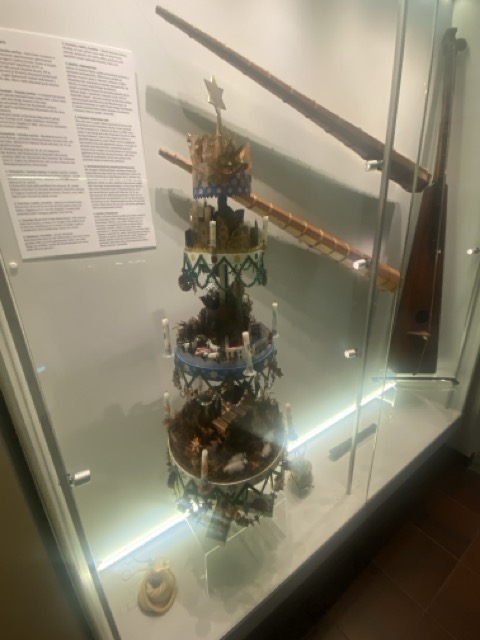
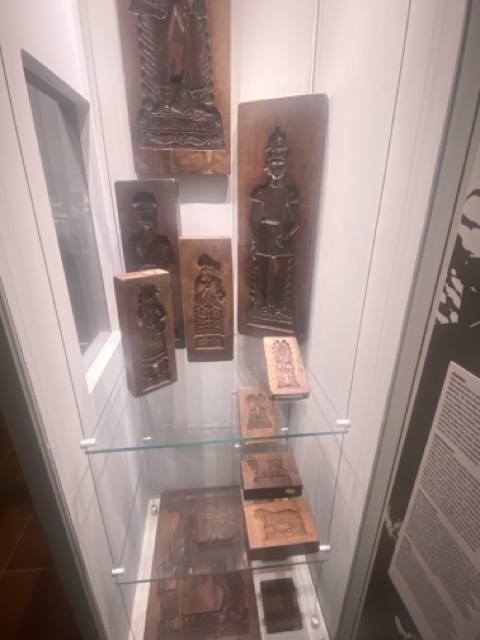
The village was famous for blacksmithing. Gingerbread making in special moulds was a traditional practice.
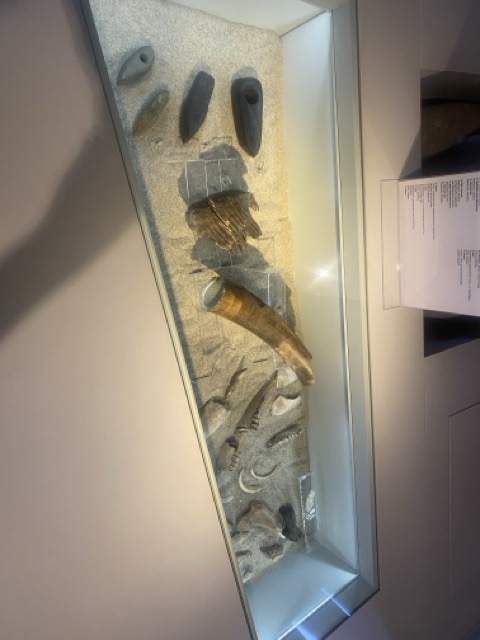
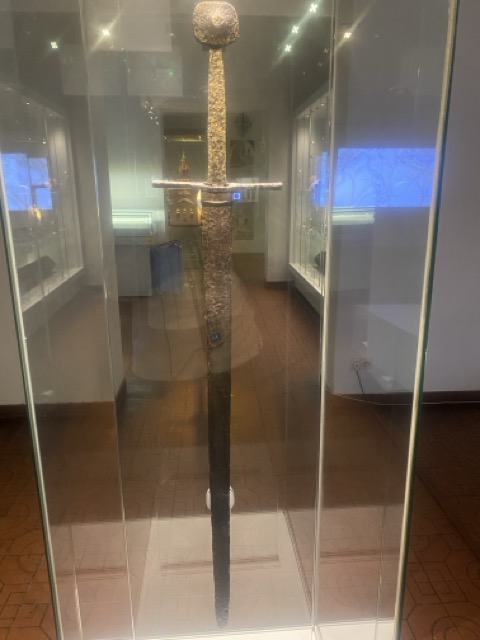
Archeological finds including a mammoth tooth and tusk were shown.

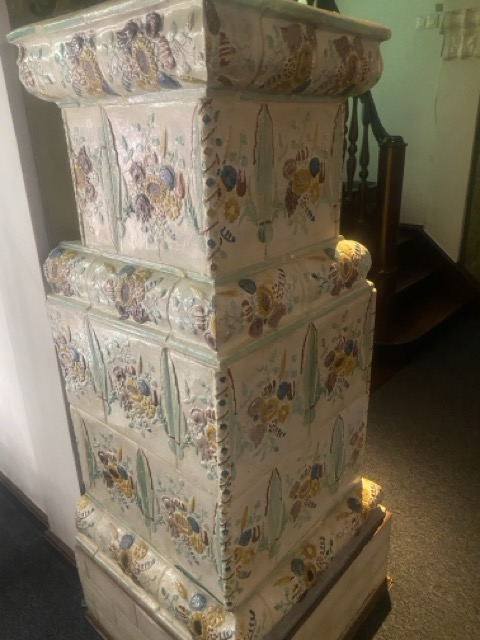
A rich merchants house was set up as it had been.

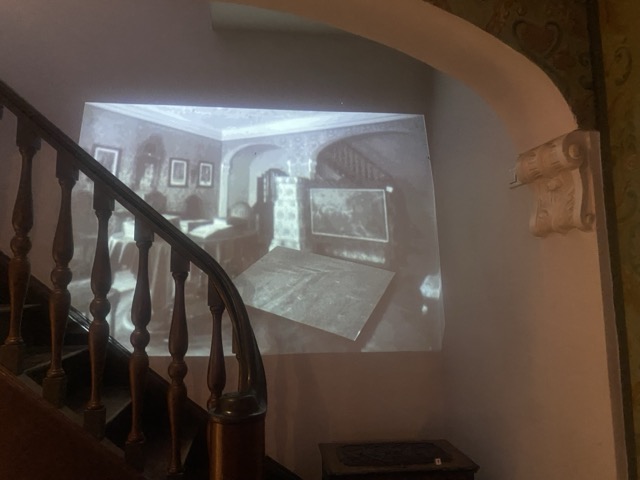
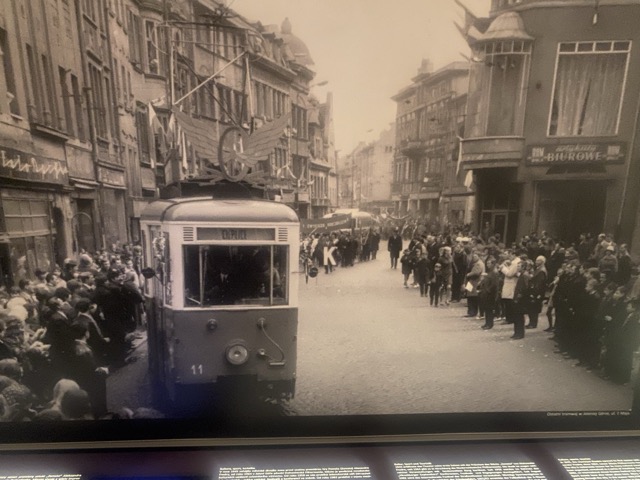
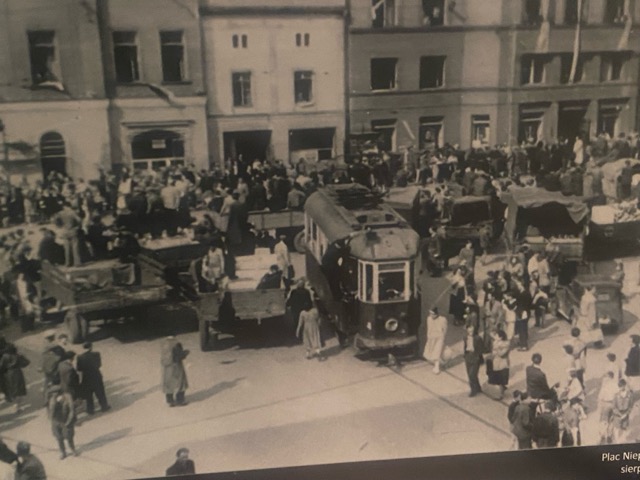
Old photos of the main square were displayed.
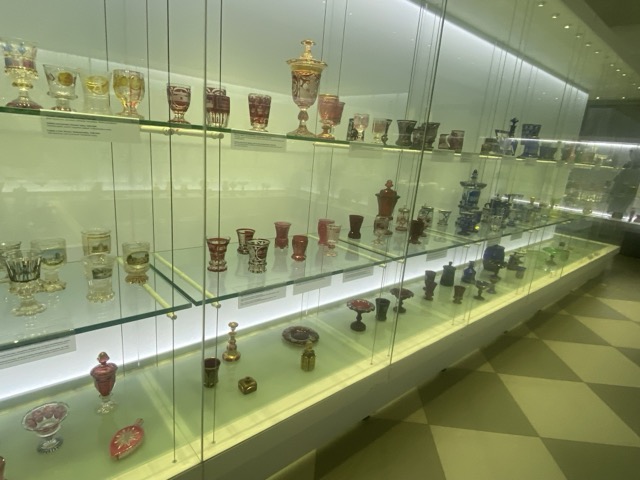
Upstairs was the large display of glass – a major industry here. There were many very decorative pieces.
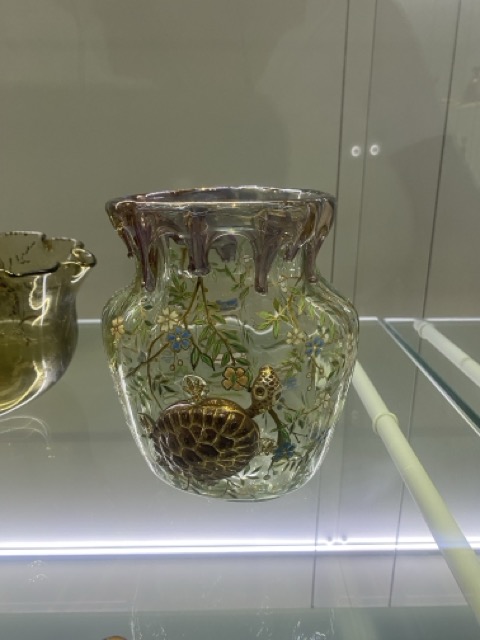
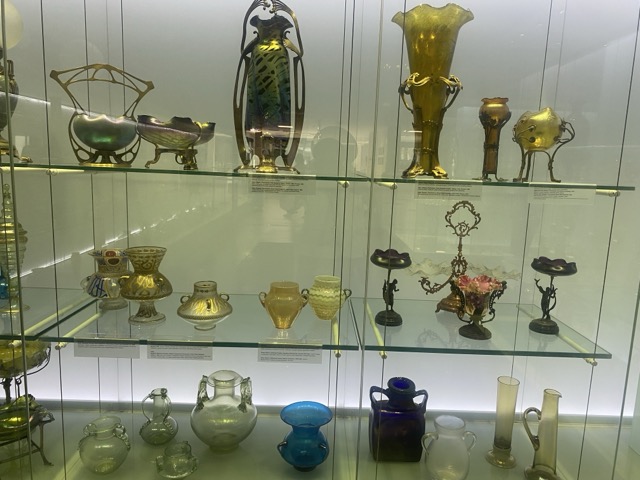
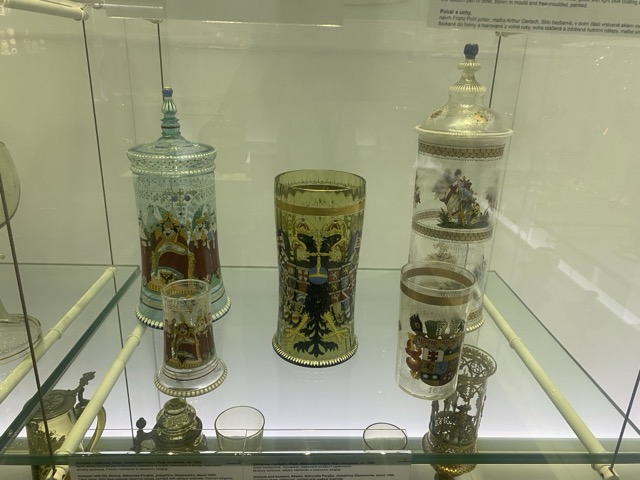
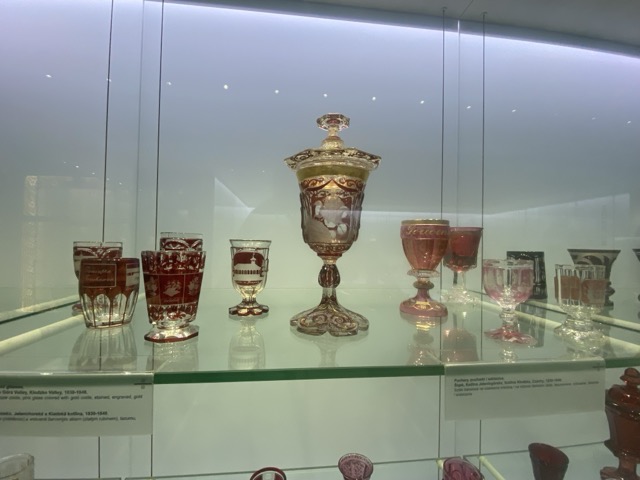
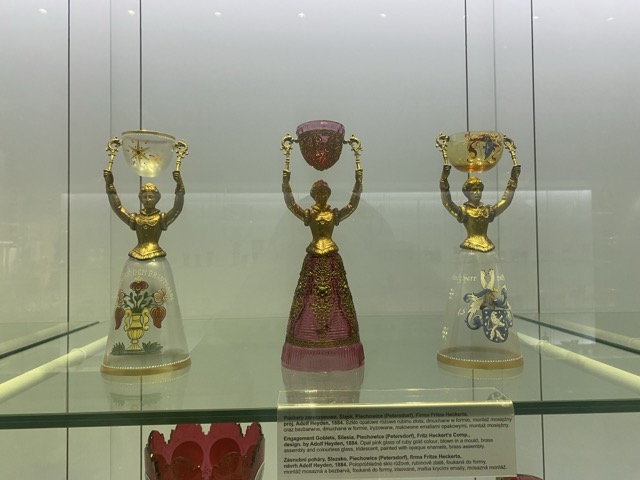
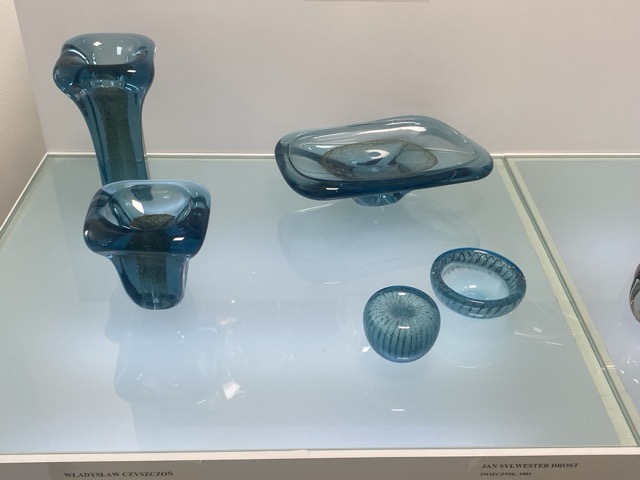
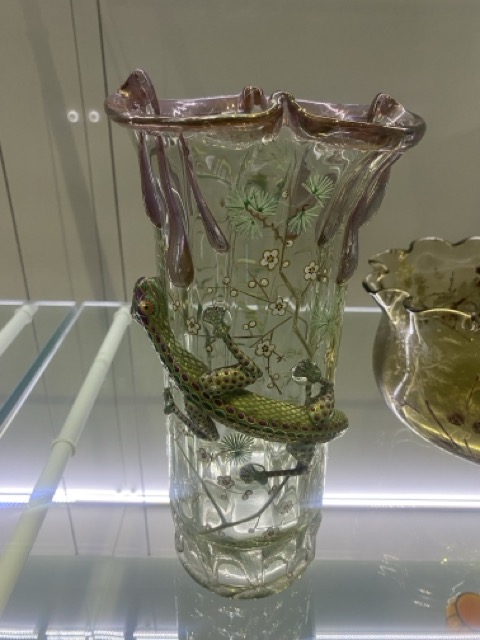
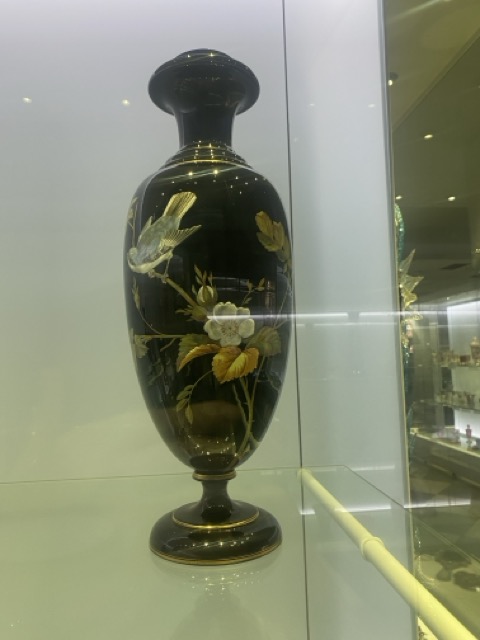
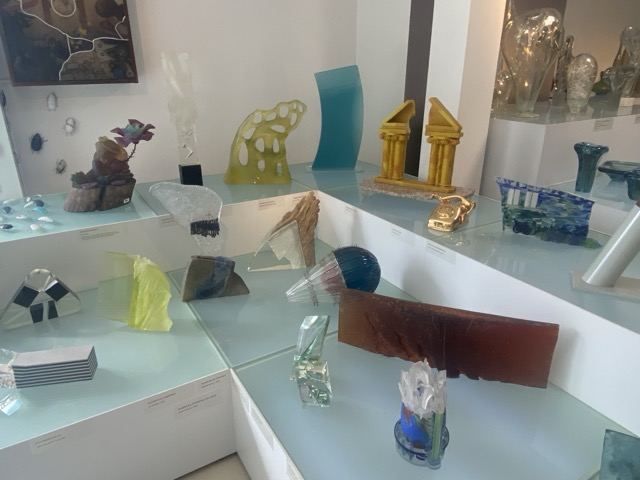
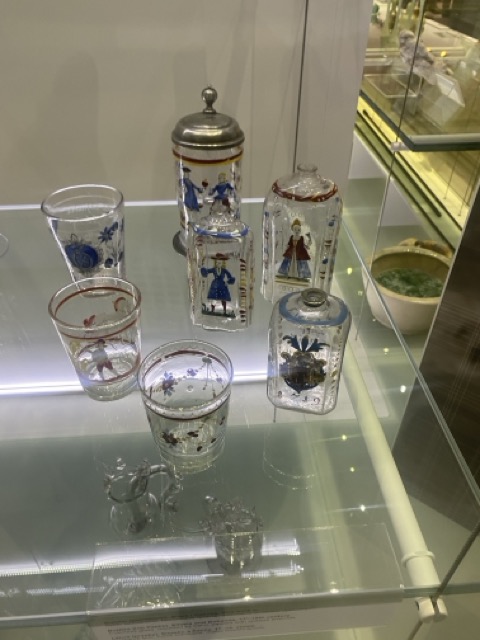
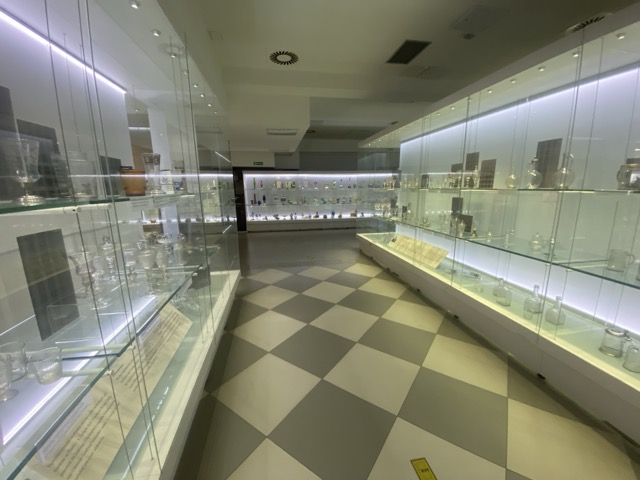
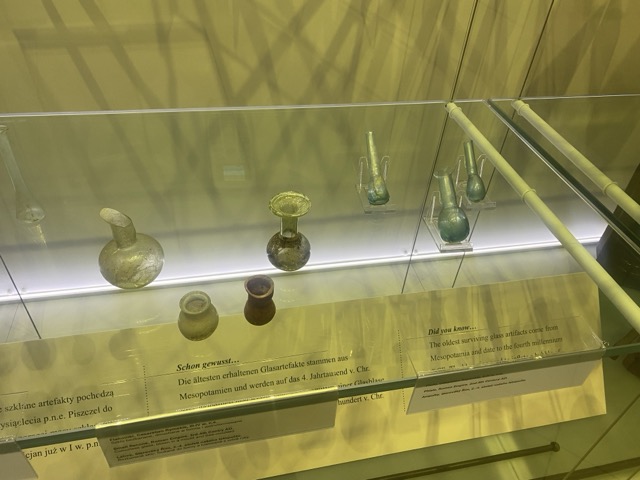
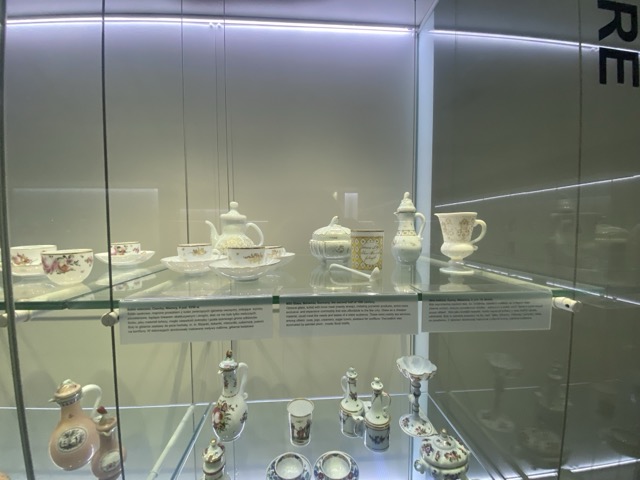
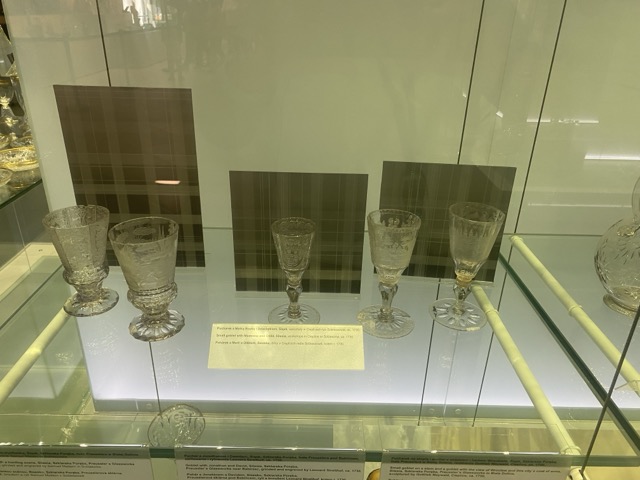
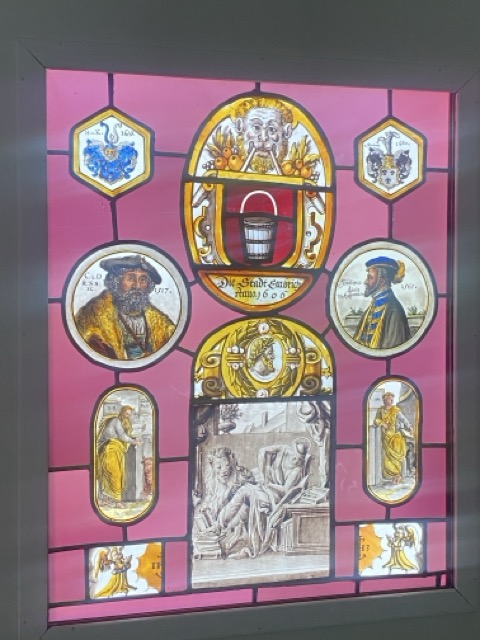
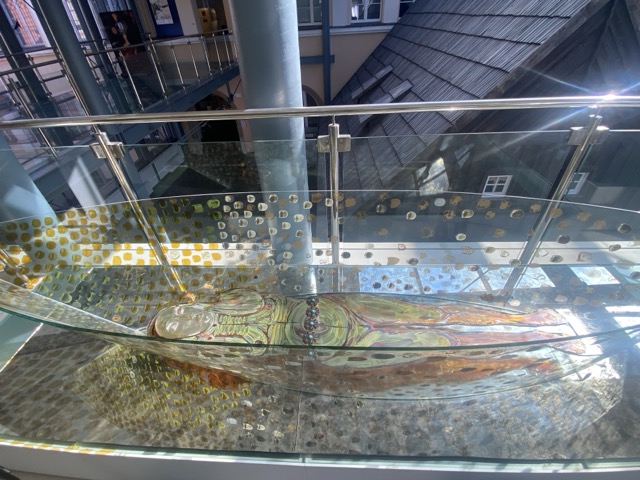
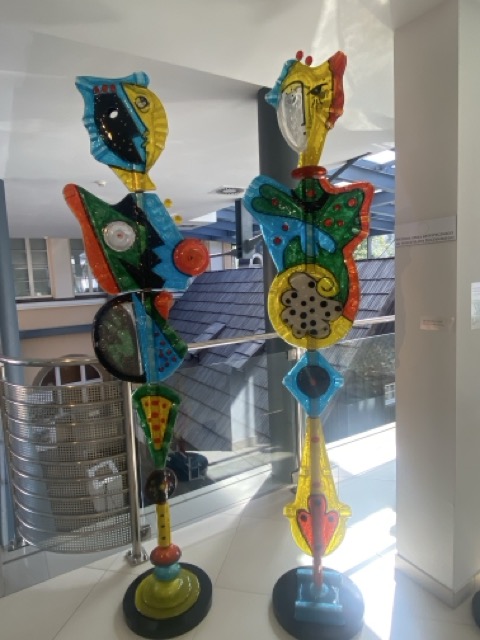
There were more contemporary pieces at the end.
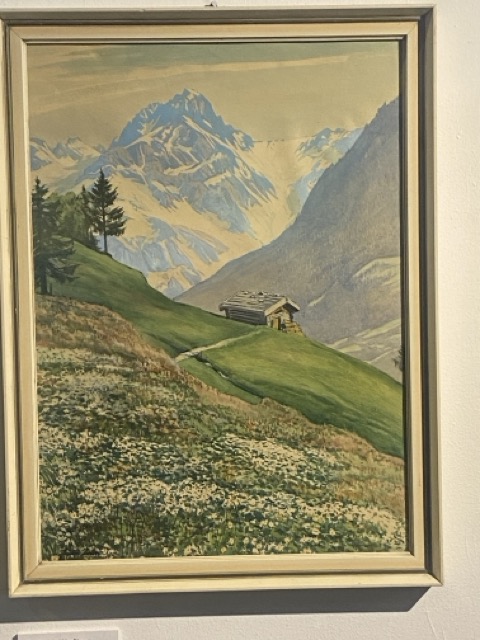
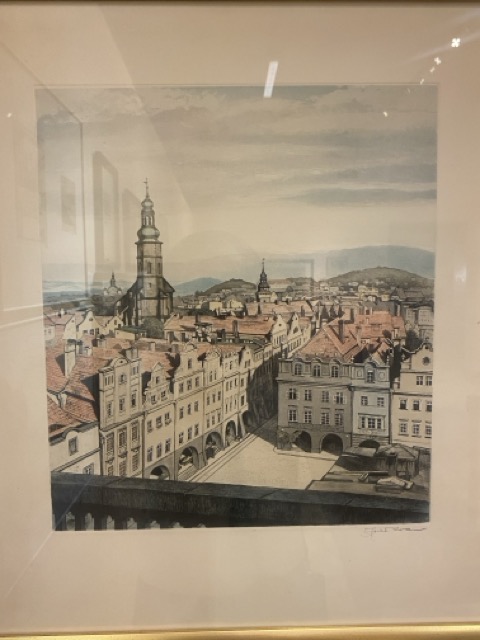
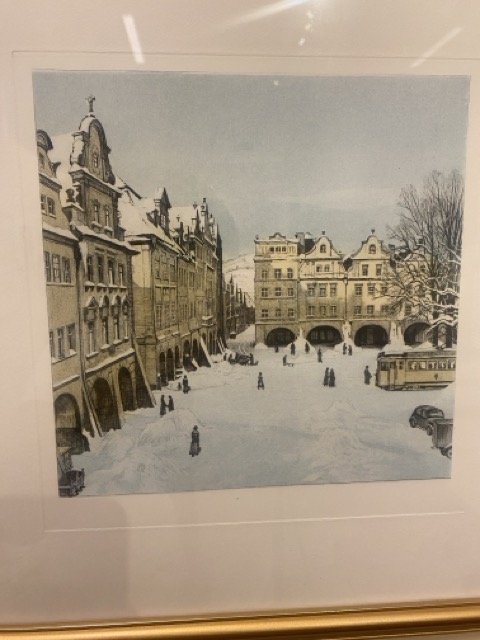
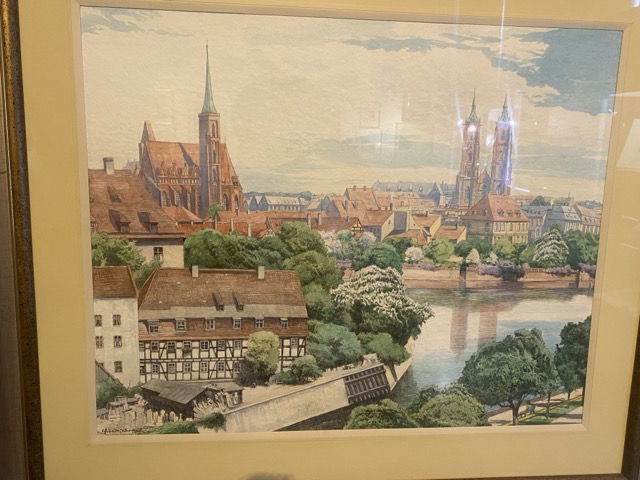
I also checked out the temporary art show of a local artist in the early 1900s including some WWI scenes.
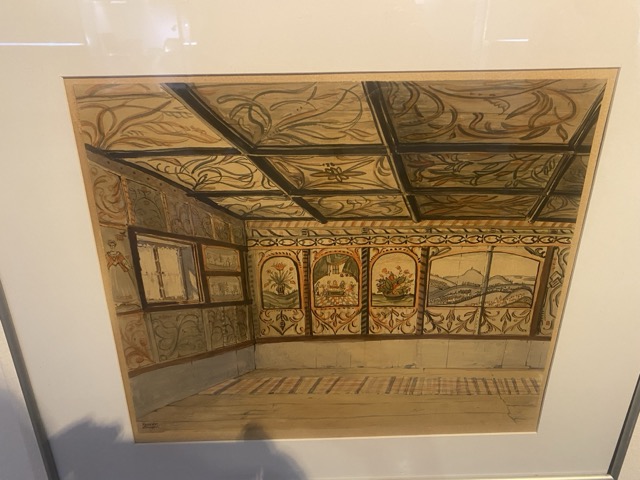
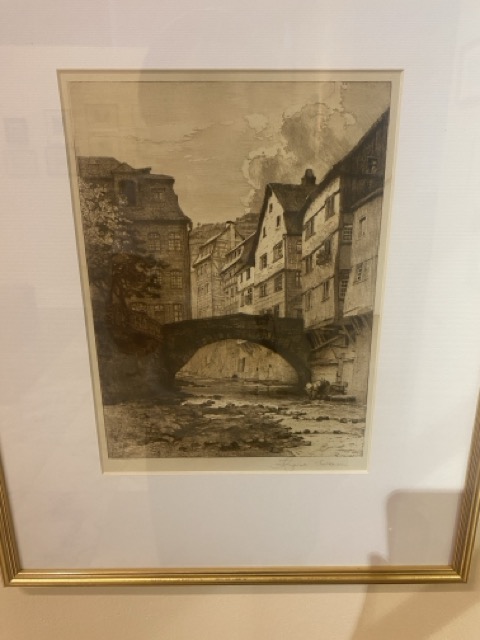
We all met down at the museum shop. On the way back there were some nice houses but a bit delapidated.
We then walked back to the supermarket right outside the campsite where we made some purchases.
Soon we were on the road to our next stop – the Giant Nazi tunnels.
Again the countryside was very lovely.
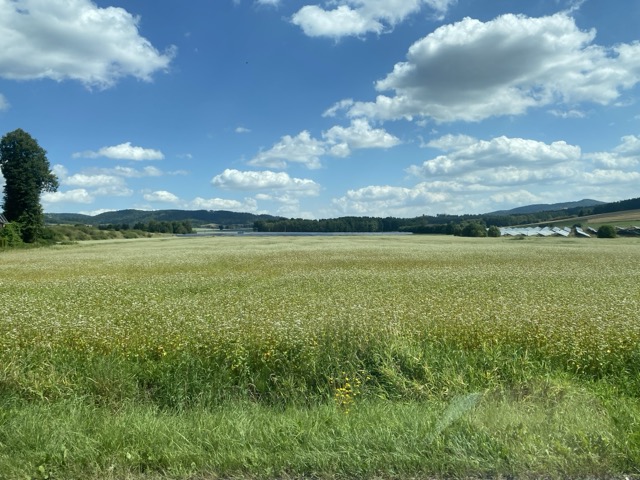
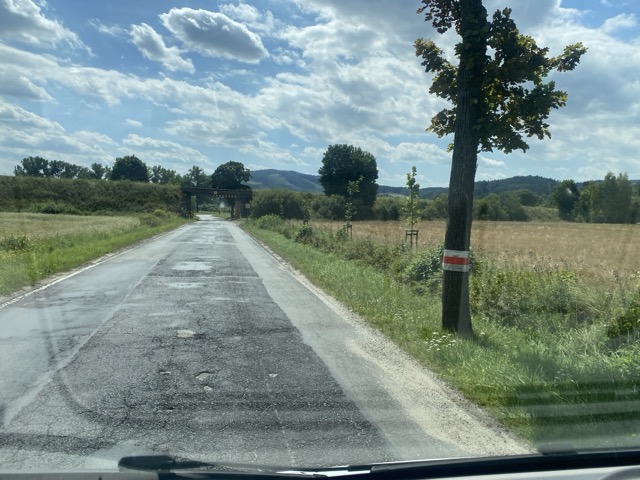
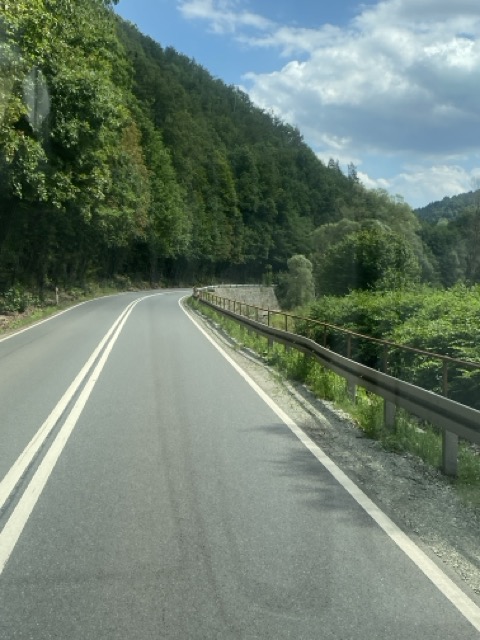
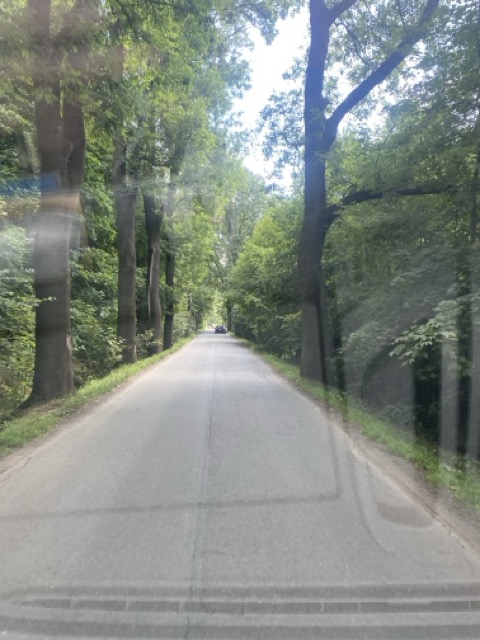
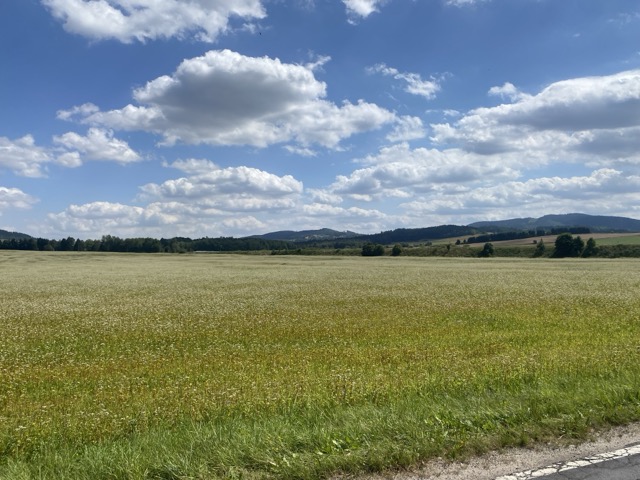
We heard from Lisa and Sean ahead of us that they had come to a closed road. We realised that we were on a different route so continued abd soon arrived at the tunnels and had lunch. Lisa and Sean arrived soon. Lisa stayed in the van while the rest of us went to the tunnels. However, we found out that they was no English at this location and were referred to another tunnel entry. – Walimskie Drifts.
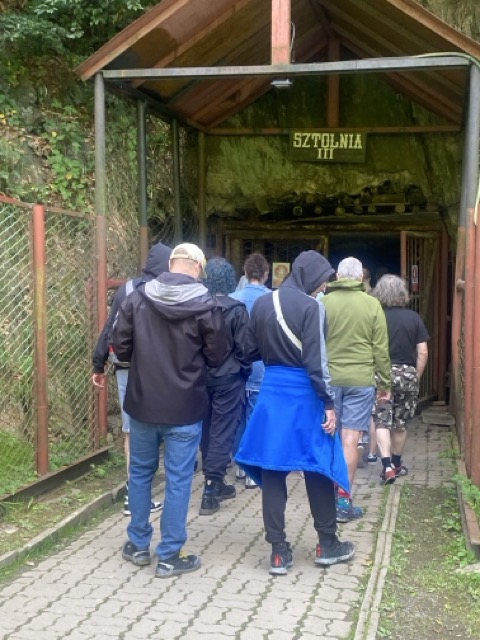
It was a short eight minute drive to the other location. we were soon checked in and immediately went on a tour with our English audio guides and a guide. Apparently, if you don’t have a guide in these tunnels, you can get lost as not all have been explored.
When we went into the tunnel the guy was already speaking so we went to the very back of the group so we could hear our English audio it finished and the guide kept talking for another 10 minutes.

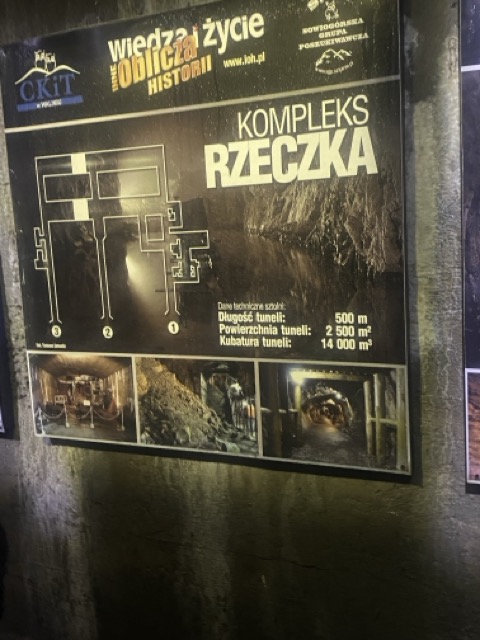
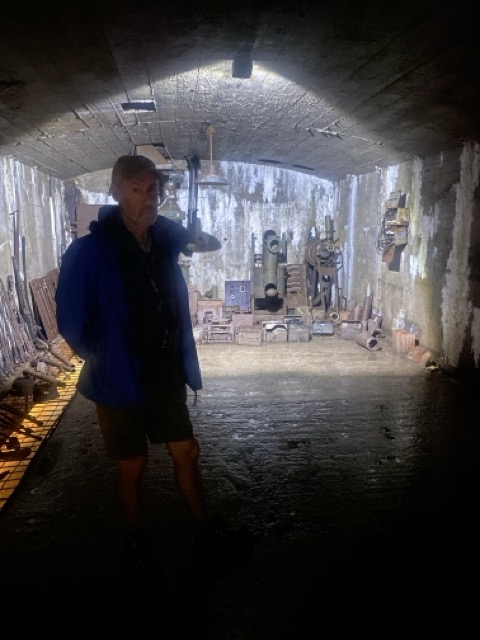
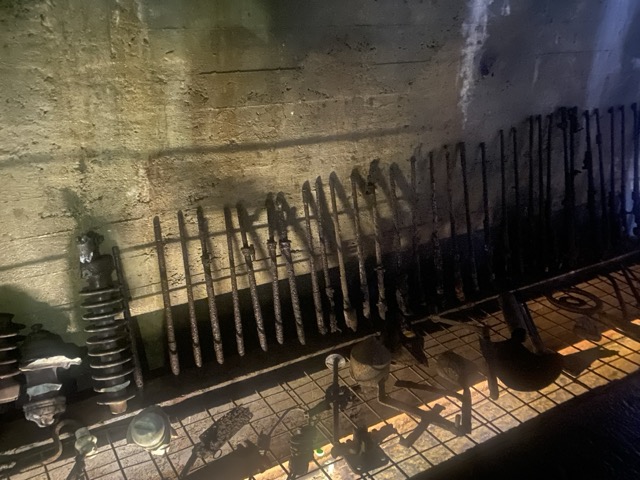
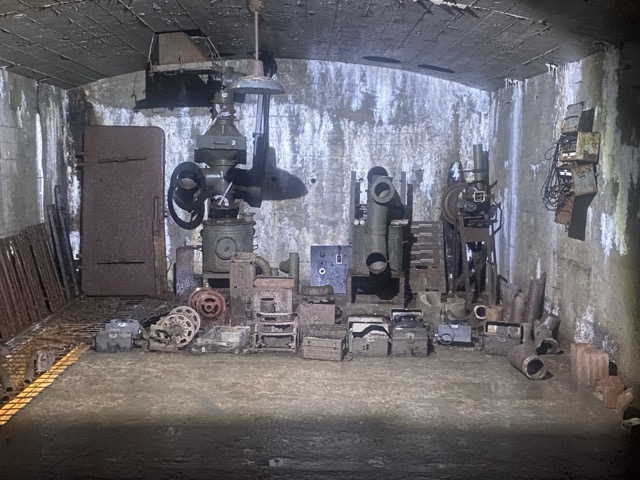
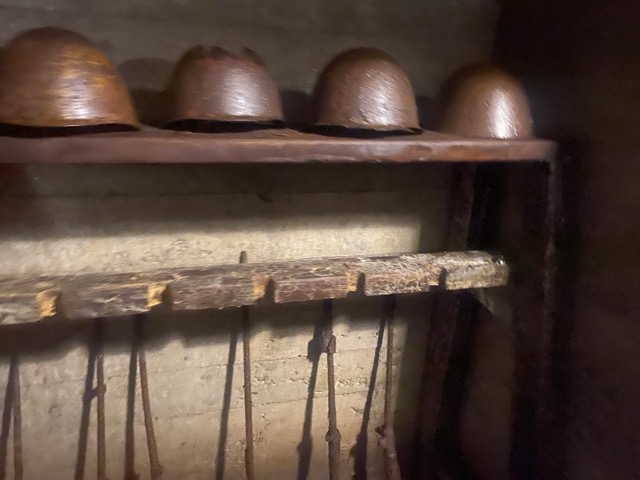
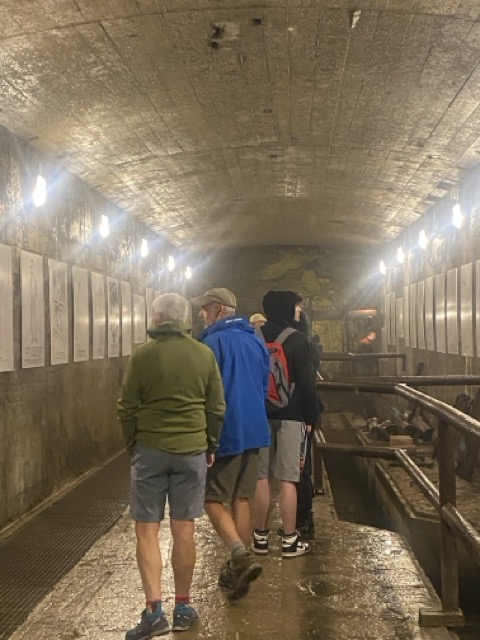
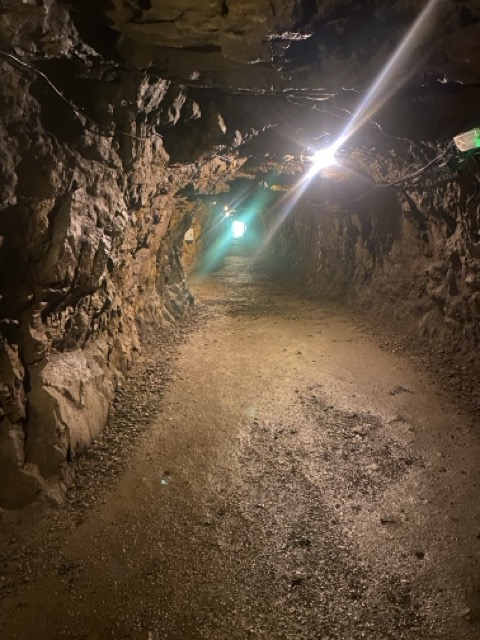
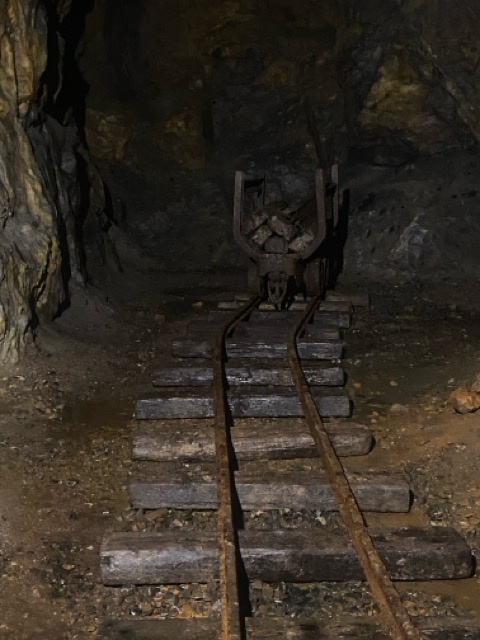
It was distinctly wet in the tunnel with water lying around in drains. We found out that forced labor had been used in the form of political prisoners of the invaded countries, captured POW’s and Jews. The intention was to also starve them and kill them through work.
Historians debate whether the complexes were meant to be Führer Headquarters (FHQ) for Adolf Hitler, secret armaments and weapons factories, or secure storage for stolen war loot.
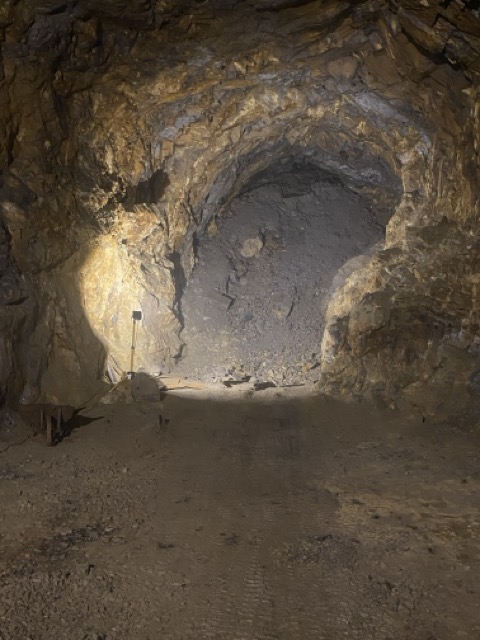
Only a small fraction of the planned tunnels and concrete halls were ever finished, leaving miles of raw, hollowed-out rock.

Its estimated 40,000 enslaved people were used during the building and thousands died.Mass graves were created in 2 nearby villages.
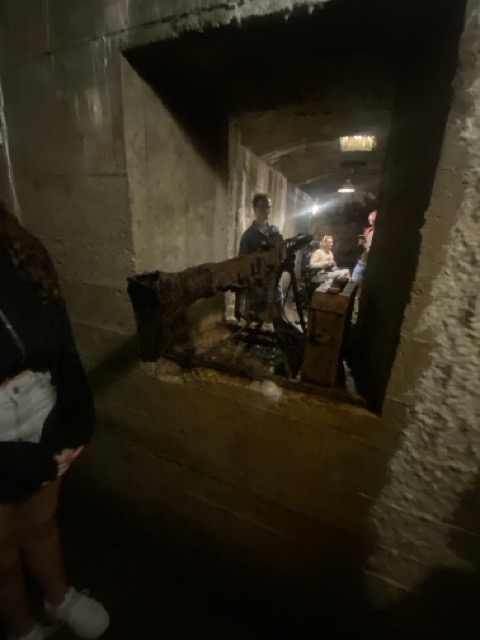
A huge amount of rock had been shifted. We saw the gun slit from the guard room.
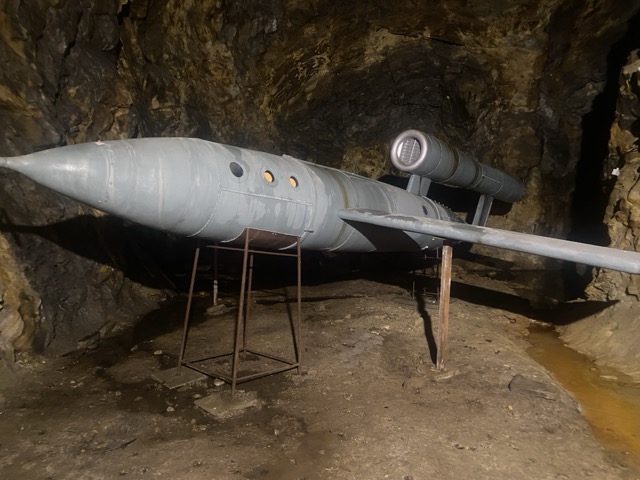
Next we saw a model of a V1 bomb that was left here – indicating that this was intended to be a V1 rocket factory.
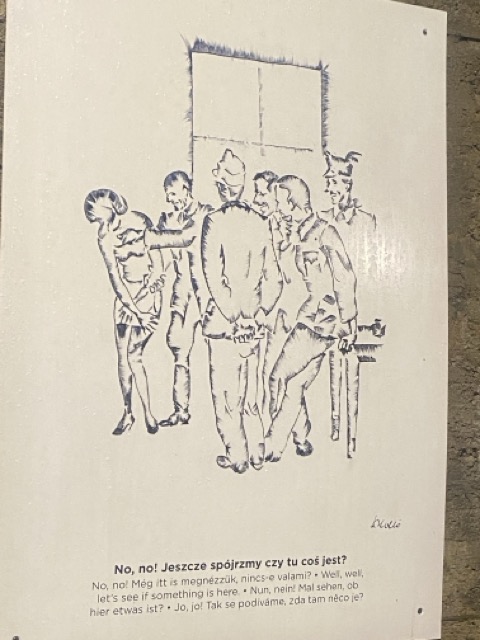
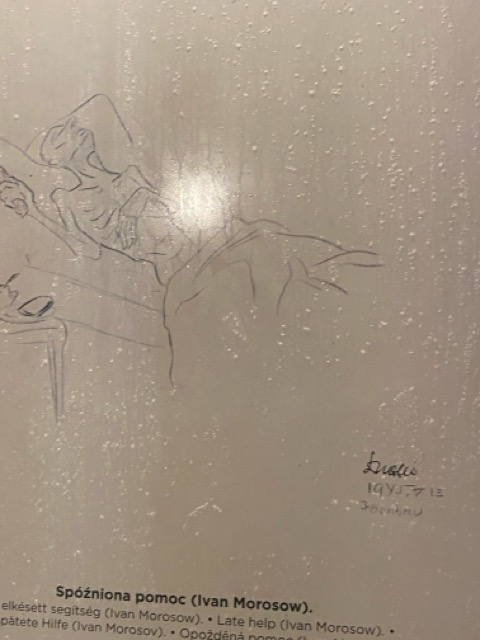
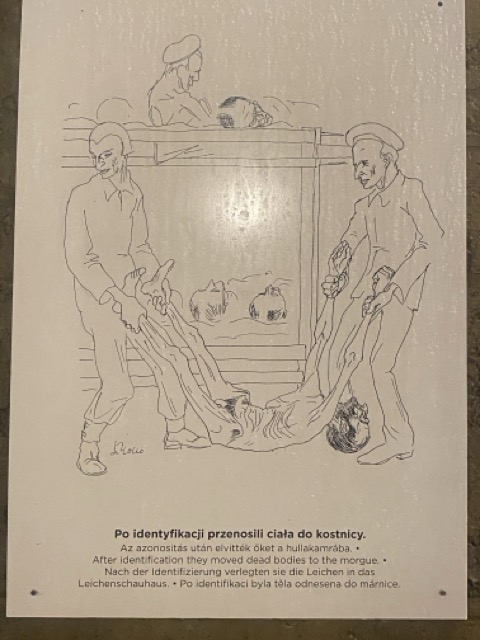
We continued into another long tunnel where many sketches were located – obviously done in secret by one of the workers. There were some terrible scenes there of starved and dying workers.
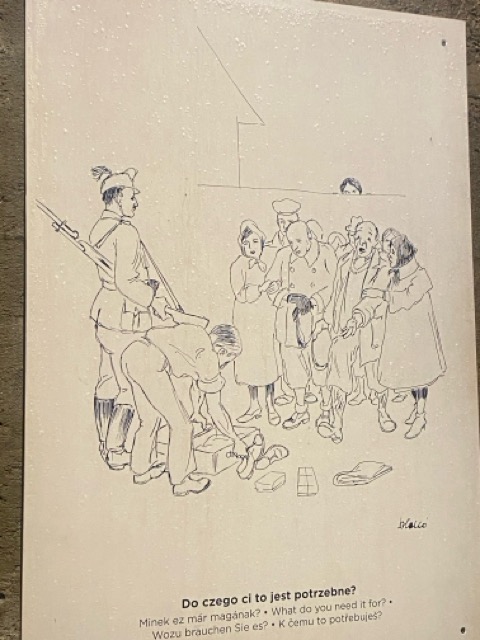

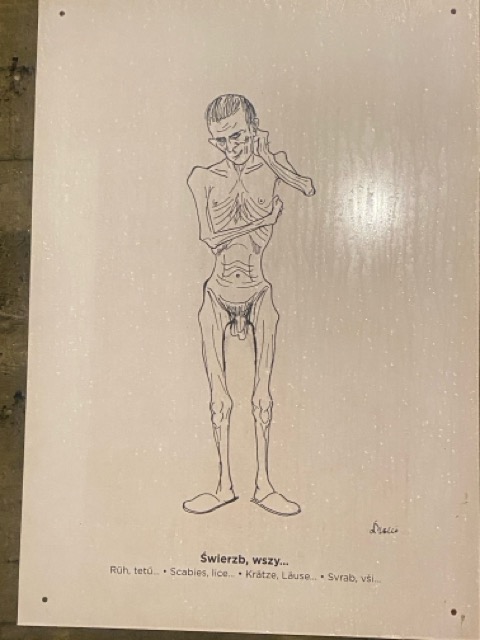
We went into a second tunnel split off from the other one by a large rockfall.
After some pretty unconvincing audio visuals of air raids and a memorial performance we finished the tour.
We checked out the display of German weapons around the shop.

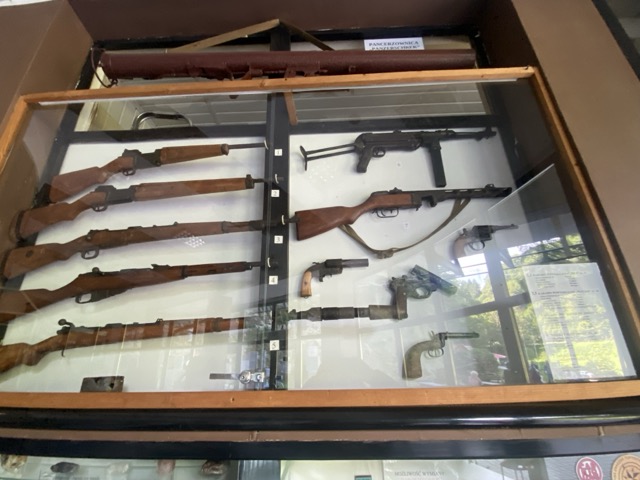
We returned to the vans where Lisa had been working on her journal.
We then continued to drive to Wroclaw
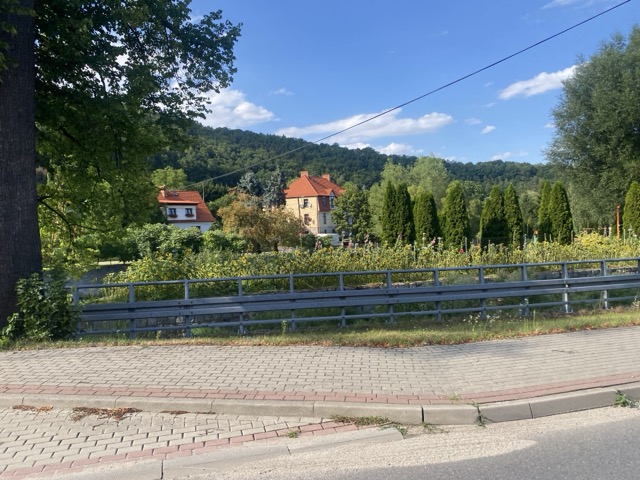
We had a booking at the Marina Camp site – or so we thought. We arrived and found out that unfortunately we were a day early and they were fully booked. We drove off and about 200 metres down the road found a possible spot under a road bridge beside the river.
It wasn’t too bad at all so we got set up and had dinner.
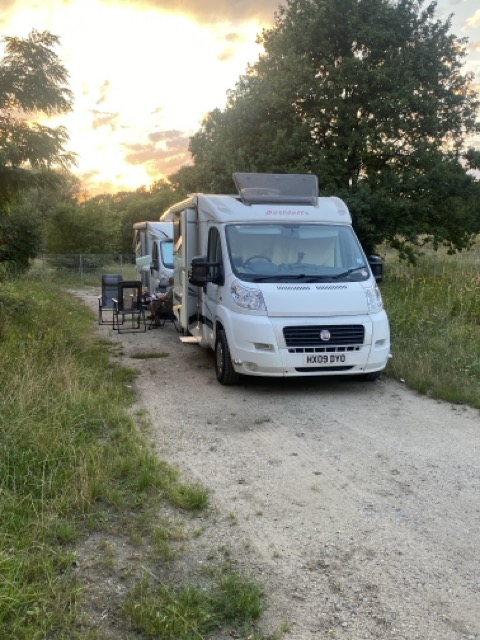
There was only one car that arrived around 2pm playing loud music. I was the only one who heard it – so maybe a punishment for my mistake in dates.

Leave a Reply